Load cart from shelf-stable foods to seafood — finish shopping within an hour
Use separate cutting boards to prevent cross-contamination — heat meat to 75 C
Never refreeze thawed food — reheat leftovers before eating

With chuseok just around the corner and households stocking up for ancestral rites and holiday cooking, following the right order when buying ingredients — and storing them properly — can go a long way toward preventing autumn food poisoning.
Autumn days can be deceptive: even when mornings and evenings feel cool, midday temperatures climb high enough to accelerate bacterial growth, making food hygiene especially important.
According to the Ministry of Food and Drug Safety, shoppers should load their carts in the following order to minimize time at room temperature: shelf-stable processed foods and produce first, then refrigerated items, then meat, and finally seafood and shellfish.
Leaving groceries at room temperature for more than an hour can trigger rapid bacterial growth, so shoppers should use insulated bags or coolers and head straight home after checkout.
Once home, the refrigerator should be filled to no more than 70 percent of its capacity so cold air can circulate properly and maintain the right temperature throughout.
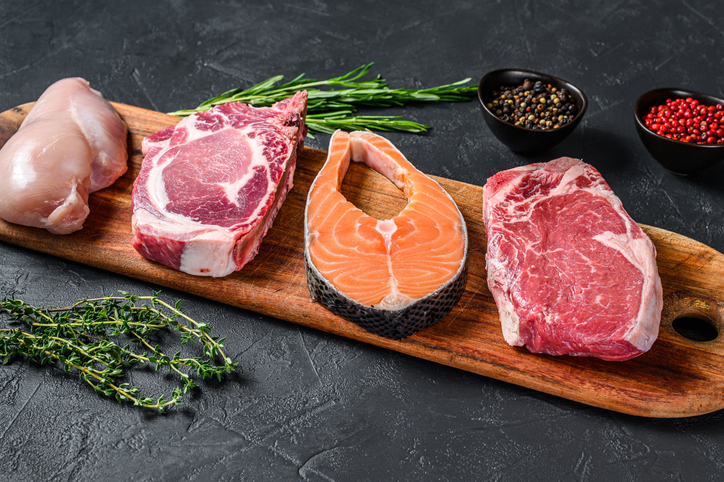
During cooking, cross-contamination between ingredients must be strictly prevented. Hands that have touched raw eggs or meat should not handle ready-to-eat foods such as vegetables, and separate knives and cutting boards should be used for vegetables, meat and seafood. If only one set of utensils is available, wash and sanitize them thoroughly with detergent each time you switch ingredients.
Holiday dishes must be cooked all the way through. Ground-meat items such as minced meat patties and meatballs should be fully cooked to the center. Ham, sausages and other processed meat products must reach an internal temperature of 75 C for at least one minute, while oysters, clams and other shellfish must reach 85 C at the center for at least one minute.
Refreezing thawed frozen food — or leaving it soaking in warm water for an extended period — can cause food-poisoning bacteria to multiply rapidly. Thaw only the amount needed, in the refrigerator or a microwave, and cook it immediately.
Leftover holiday food should not be left out at room temperature, as bacteria can multiply quickly. Cover leftovers or place them in airtight containers and refrigerate without delay.
When carrying leftovers on the journey home after the holiday, use an insulated bag, and reheat food thoroughly to the center before eating.
"We hope everyone follows basic hygiene practices at every step — from buying and transporting ingredients to storing and cooking them — so they can enjoy a healthy and safe chuseok," a Ministry of Food and Drug Safety official said.
silverpaper@heraldcorp.com