Rep. Koo Ja-geun calls for 'ground-up review' of program's necessity
Analysis of IP specialist training program at key universities
40,000 cumulative enrollees — 139 employed, 11 startups launched in IP sector
The government has poured about 30 billion won ($22.1 million) into a program to train intellectual property specialists over the past six years, yet only 139 graduates have found jobs in the IP sector, according to data obtained by a lawmaker. Despite annual increases in the program's budget and enrollment, employment and startup outcomes remain concentrated at a handful of universities, raising questions about the initiative's effectiveness and performance management.
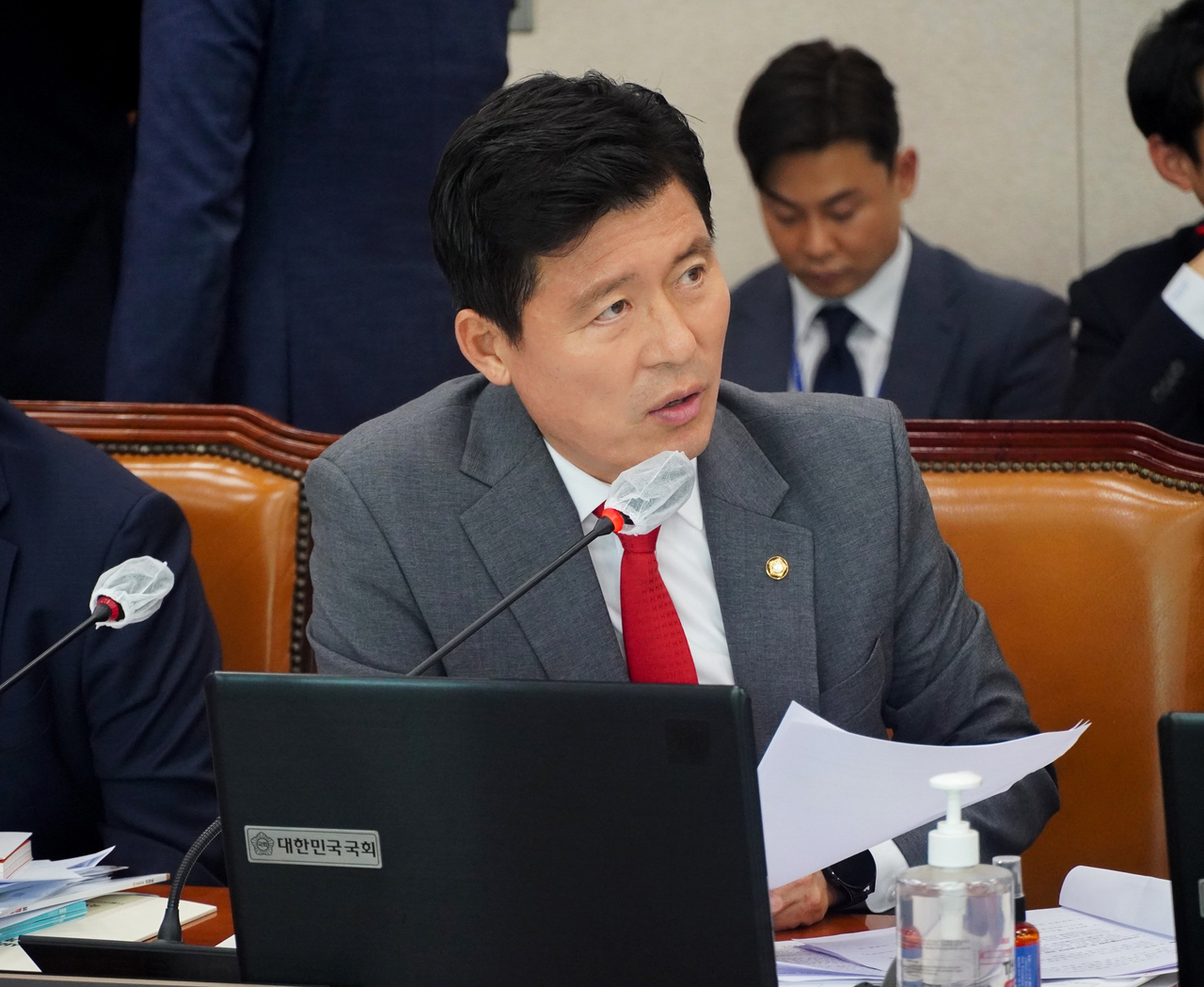
Rep. Koo Ja-geun of the People Power Party, a member of the National Assembly's Finance and Economy Committee, said Wednesday that data submitted by the Korea Invention Promotion Association showed a total of 29.66 billion won had been invested in the "IP Specialist Training Key University Project" from 2021 through this year.
The program was introduced to cultivate IP professionals and expand IP education across regions. It began in 2021 with three universities and now includes nine regional national universities. Its annual budget grew from 1.8 billion won in its inaugural year to 7.22 billion won last year.
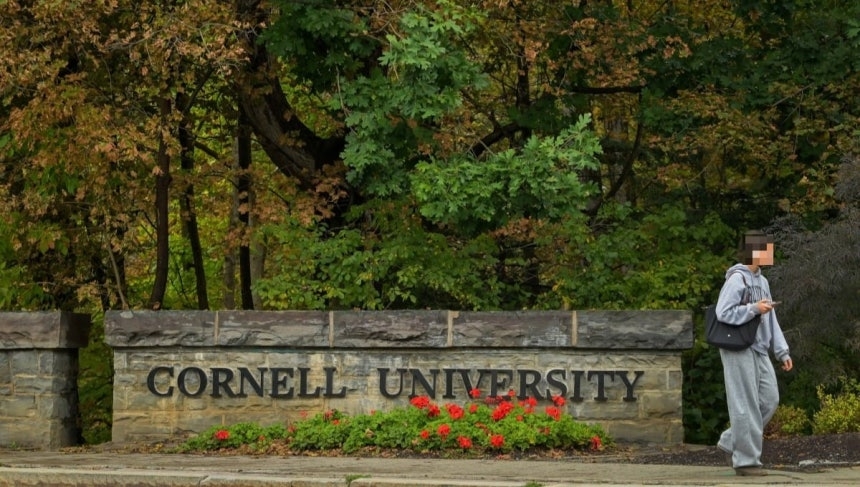
As the program expanded, enrollment climbed as well. According to the Korea Invention Promotion Association, cumulative enrollment across undergraduate and graduate courses at the nine universities reached 40,196 through the first half of this year. By institution, Chungbuk National University led with 8,494 students, followed by Gyeongsang National University with 6,683, Chonnam National University with 6,584 and Kyungpook National University with 5,760.
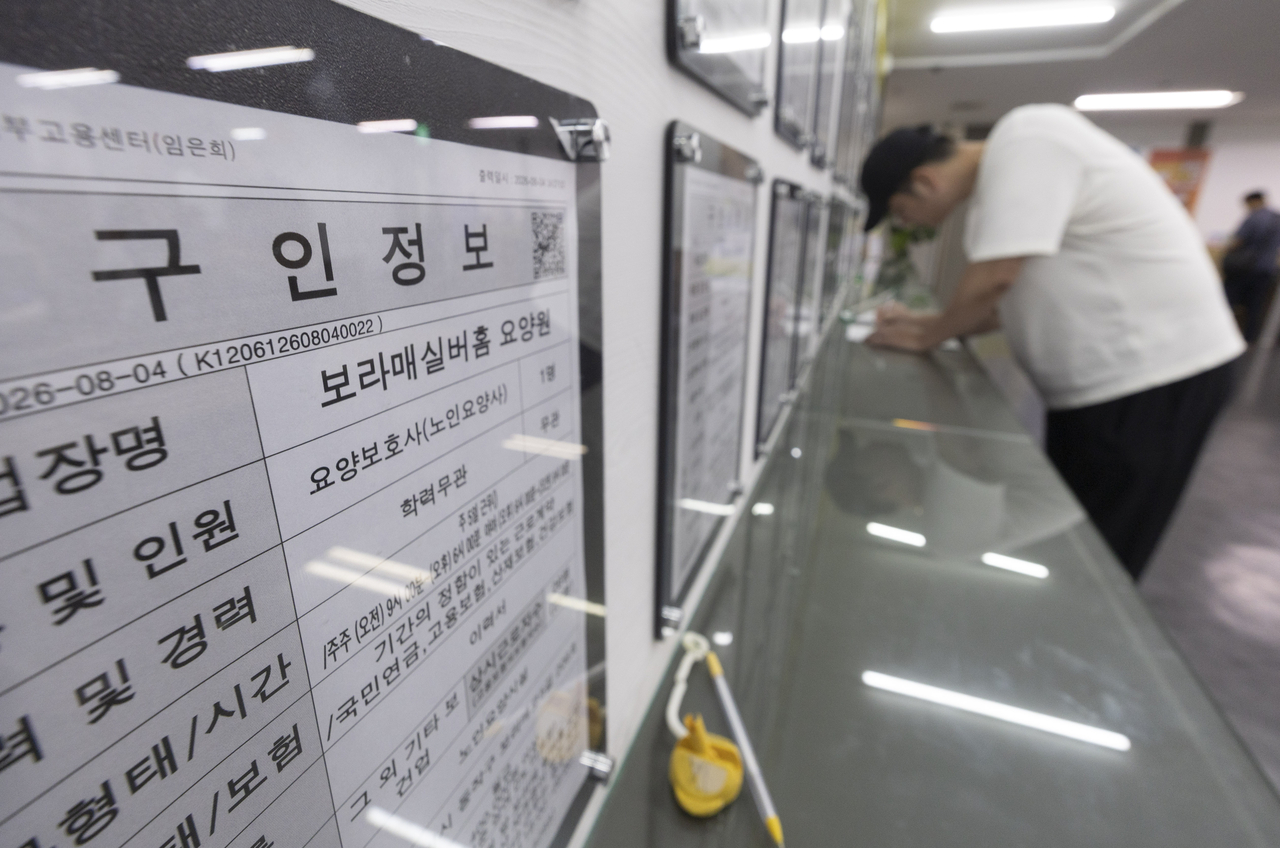
Despite the growth in spending and enrollment, IP-sector employment and startup activity have not kept pace. Since graduates began entering the workforce in 2024 through the first half of this year, only 139 students from the nine universities found jobs in the IP field, while just 11 startups were launched.
Outcomes were also heavily skewed toward a few institutions. Chonnam National University accounted for 67 of the IP-sector hires and Gyeongsang National University for 34, meaning the two schools together produced 72.6 percent of all IP-field employment. Of the 11 startups, eight came from Chungbuk National University alone. Four universities — Gangwon National University, Pusan National University, Jeonbuk National University and Jeju National University — recorded zero IP-sector employment or startup activity.
The program's poor results despite an investment approaching 30 billion won have drawn criticism, with calls to revisit both the funding model and the performance management framework.
"Hundreds of billions of won have been poured in, but it is doubtful whether the program is actually delivering results in line with its stated goal of cultivating IP professionals," Koo said. "The Korea Intellectual Property Office should not simply continue this program out of inertia — it needs to go back to basics and reconsider whether the program is even necessary."
raining@heraldcorp.com
mp1256@heraldcorp.com