24.7 billion won to be invested over five years from next year; seagrass forests to be established at depths of 6 to 25 meters
Seagrass dampens wave energy and traps sand to protect coastlines while creating habitat for marine life
Goal is to expand biodiversity in pilot zones by 30% by 2031
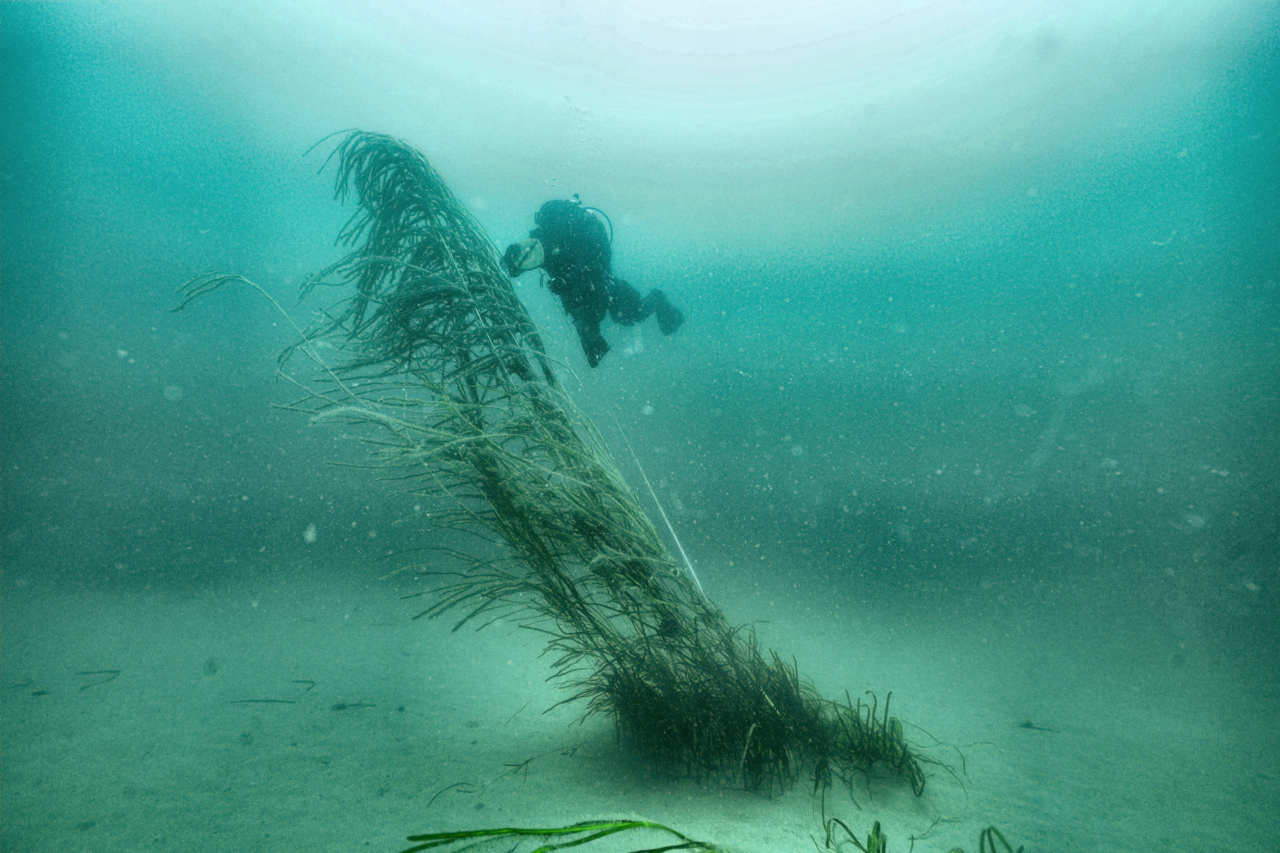
A "living breakwater" is set to take shape beneath the East Sea — a nature-based barrier that dampens wave energy and prevents sand loss. The project will use native seagrass species that grow naturally at depths of 6 to 25 meters, with a goal of reducing the number of coastal segments rated as erosion-prone or seriously eroded by 30% and increasing marine biodiversity by 30% in pilot zones by 2031.
The Korea Institute of Ocean Science and Technology announced Tuesday that its "East Sea Coastal Autonomous Blue Infrastructure Development Project" had been selected as one of the Ministry of Science and ICT's "Top 10 Public-Benefit R&D Projects for 2027." It is the only project among the 10 funded through a Ministry of Oceans and Fisheries grant to a government-funded research institute.
The East Sea coastline is currently experiencing simultaneous sand loss, degradation of ecosystem functions and a decline in fishery resources. At least 60 coastal segments have been rated as either seriously eroded or at risk of erosion. Past responses addressed these problems separately — through the installation of structures, ecosystem restoration or the release of juvenile fish — but this project takes an integrated, nature-based approach targeting coastal protection, ecosystem recovery and fishery resource growth all at once.
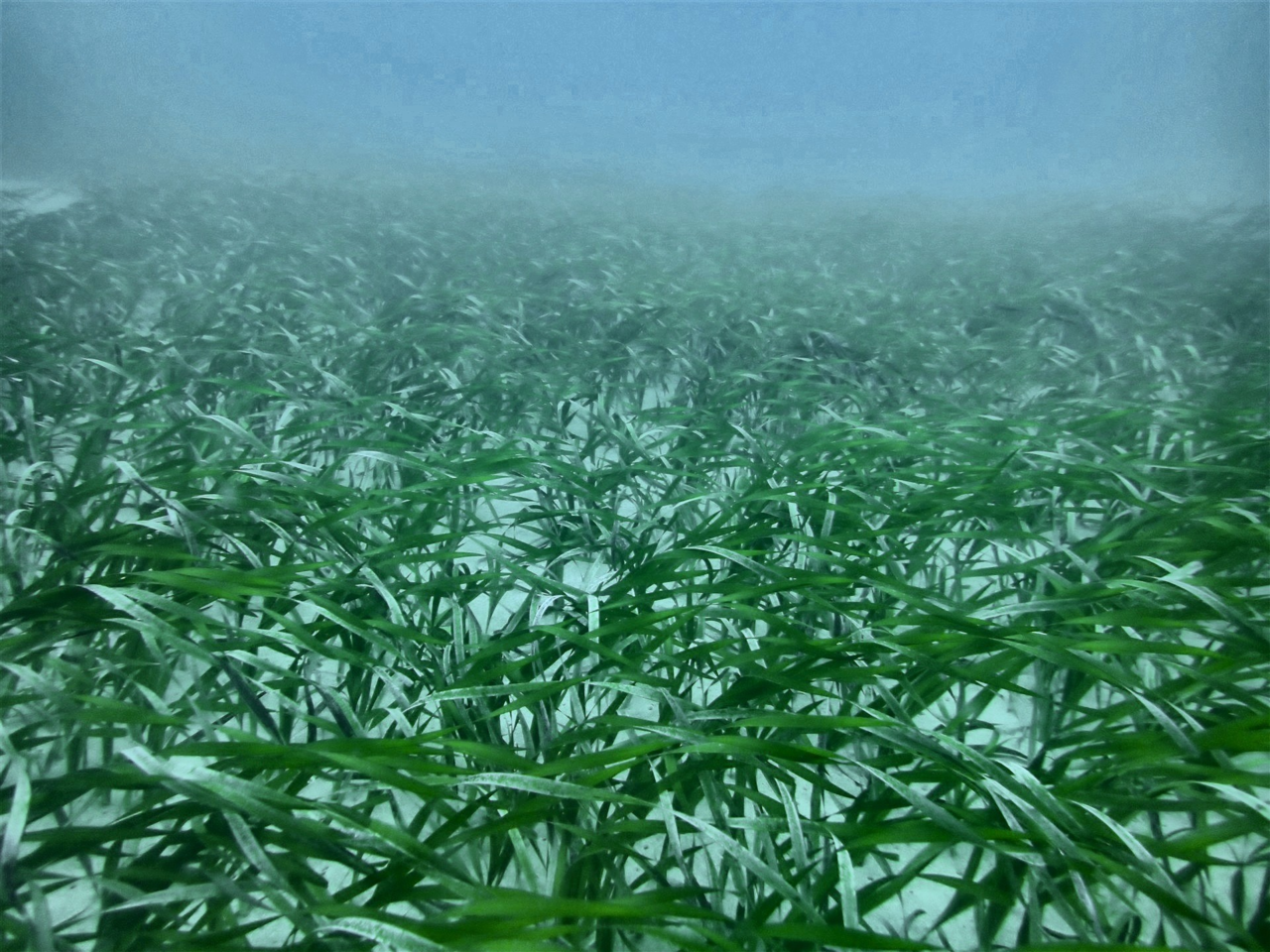
At the heart of the project are two East Sea-native seagrass species — wanggeomeorimal and sugeomeorimal — which form dense colonies at depths of 6 to 25 meters. Their tightly packed leaves reduce wave energy while their roots anchor sand in place. The space between leaves and roots also creates habitat where fish and shellfish can spawn and grow.
A research team led by KIOST researcher Do Jong-dae will invest a total of 24.71 billion won ($18.3 million) over five years from next year through 2031 to develop what it calls "autonomous blue infrastructure" technology using the East Sea's native seagrass. The ultimate goal is for the planted seagrass to grow and reproduce on its own, gradually expanding its habitat — complementing existing coastal structures such as breakwaters and artificial reefs through natural means.
The research will proceed in two phases. In the first phase, from 2027 to 2029, the team will install monitoring equipment in seagrass habitats to measure wave attenuation and sand movement. Data collected via satellite, drones and underwater sensors will be analyzed using AI to produce a distribution map of the East Sea's native seagrass.
The team will also survey fish and shellfish that gather in seagrass beds to assess the impact on fishery resources. Based on those findings, it will develop techniques for establishing seagrass habitats suited to East Sea conditions and select pilot zones for demonstration.
In the second phase, from 2030 to 2031, the team will establish seagrass habitats along actual East Sea coastlines and verify their effectiveness. Long-term monitoring will quantitatively evaluate reductions in coastal erosion and gains in biodiversity and fishery resources, and management guidelines will be drawn up for different types of coastal zones.
By 2031, the team aims to reduce the number of erosion-prone or seriously eroded segments in the pilot zones by 30% from current levels and increase marine biodiversity by 30%. As seagrass habitats expand, the project is also expected to secure habitat for commercially valuable shellfish and increase carbon sequestration.
"East Sea-native seagrass is a living coastal blue infrastructure that reduces wave energy, preserves sand and nurtures fishery resources," Do said. "Because it can grow and sustain itself after being planted, it reduces the burden of maintenance costs while addressing a pressing national challenge."
adastra@heraldcorp.com