Government issues 4,000–5,000 new licenses a year but cannot track actual employment or activity
Korea Sanitarians Association calls for urgent revision of the Public Health Management Act
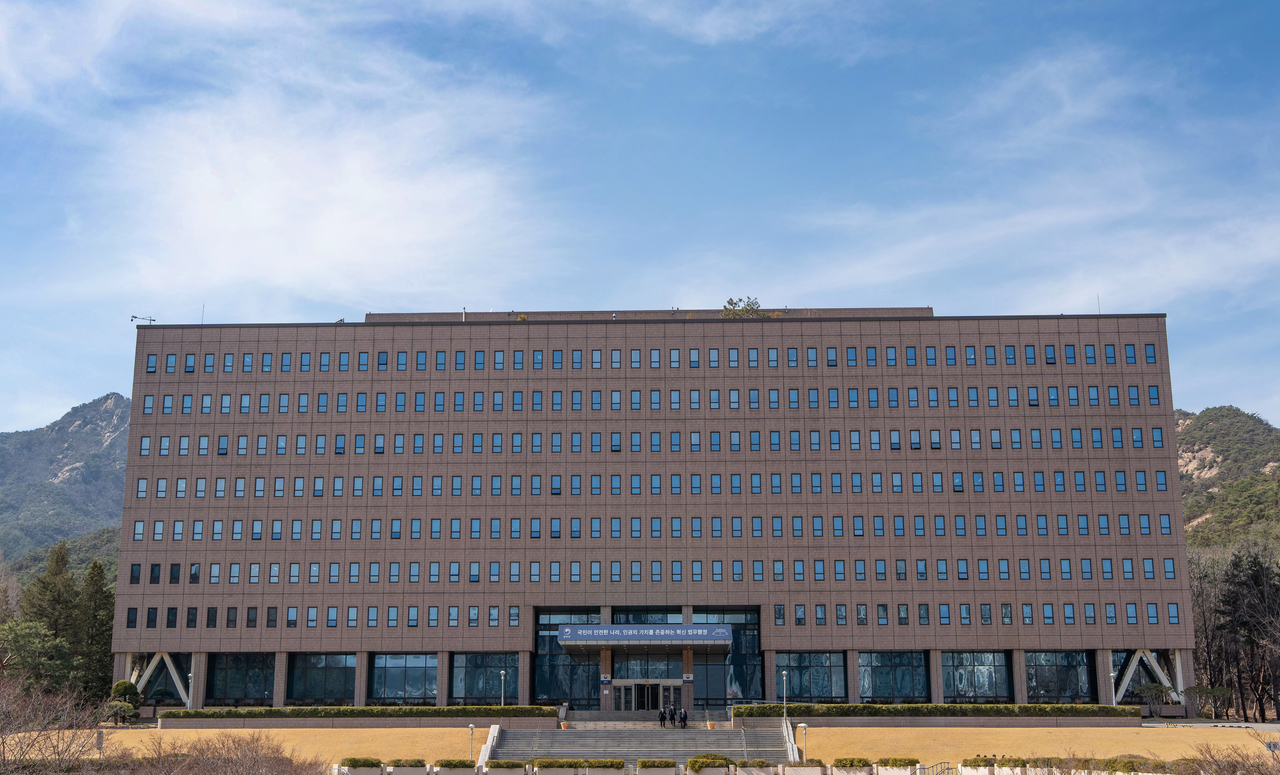
![Despite the issuance of 114,313 national sanitarian licenses to date, the government has no reliable grasp of how many license holders are actually working in the field. The Korea Sanitarians Association is calling for a legal basis for workforce surveys and mandatory employment requirements. [AI-generated image]](https://wimg.heraldcorp.com/news/cms/2026/10/01/news-p.v1.20261001.11a25729d2204f70b320609879def5f2_P1.png)
More than 110,000 people hold national sanitarian licenses in South Korea, yet the government has no reliable picture of how many are actually working in the field or where.
The gap persists because no law requires employers to hire licensed sanitarians, even as thousands of new license holders enter the workforce each year.
Critics say the state issues the licenses and then effectively abandons any effort to manage or deploy the professionals it has certified.
The Korea Sanitarians Association urged the government Thursday to fix the system, saying that despite sanitarians being officially classified as health and medical personnel, the absence of any mandatory employment requirement means the profession cannot fulfill its intended role.
According to Ministry of Health and Welfare data, the national sanitarian examination has been held every year since its inaugural sitting in 1979, with the 47th examination taking place in 2025. About 9,000 candidates sit the exam annually, and 4,000 to 5,000 earn new licenses each year.
The total number of sanitarian licenses issued to date stands at 114,313. The association said the government has no proper grasp of how many of those license holders are employed or actively practicing.
The management framework is the core problem. Under the Act on Support for Health and Medical Personnel, the Ministry of Health and Welfare conducts a workforce survey every three years — the first in 2021 and the second in May 2025.
But the association said the Public Health Management Act contains no clear legal basis for conducting a comparable survey of sanitarians, making it effectively impossible to determine where license holders are working or whether they are using their credentials at all.
The national examination is held year after year, the association said, yet the system cuts off once a license is issued, with no follow-up management in place.
Examination fees paid by sanitarian candidates over the past decade alone total 7.6 billion won ($5.6 million). The per-candidate fee is 88,000 won.
The association said the scale of testing and licensing activity makes the government's lack of systematic workforce management all the more striking.
The association identified the absence of a mandatory employment requirement as the central problem. Without a legal mechanism compelling the use of nationally licensed sanitarian professionals — people trained to protect public health — their licenses risk becoming, in effect, credentials that sit unused in a drawer.
The association called for an amendment to the Public Health Management Act to establish a legal basis for sanitarian workforce surveys and to build a mandatory employment framework that would put licensed professionals to active use.
The association also argued that recurring public health crises — from climate change to emerging infectious diseases — make systematic management and deployment of sanitarian personnel an urgent necessity.
Hong Seong-yu, president of the Korea Sanitarians Association, said that before 1999, the Infectious Disease Prevention Act required pest-control companies to obtain permits and designate a qualified manager. When the law was later replaced by the Infectious Disease Control and Prevention Act, that manager requirement was abolished. "Now, anyone can carry out the work simply by registering a business with at least one representative, regardless of qualifications," he said.
Hong added that the government must establish a comprehensive management system so that sanitarians can perform their proper duties when a national crisis arises.
The association plans to hold a National Assembly forum in October to discuss measures for securing the legal status of the country's 110,000-plus sanitarians and strengthening public safety.
gilbert@heraldcorp.com