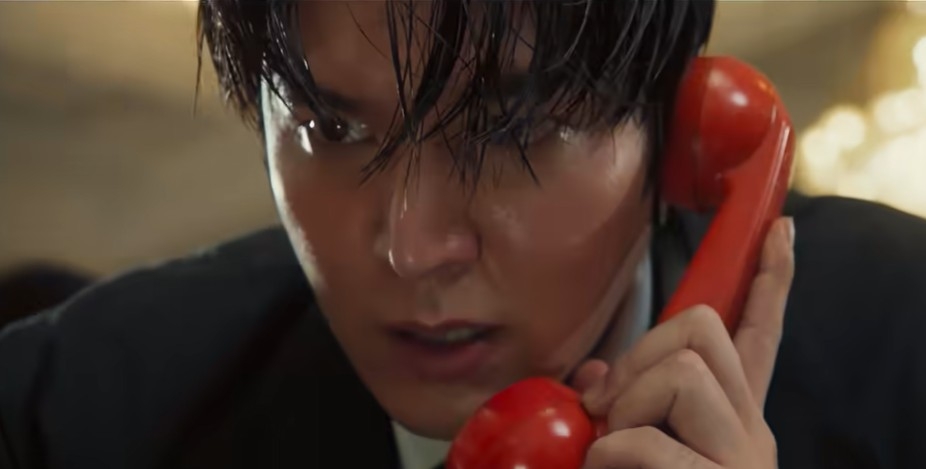
As the historical distortion controversy surrounding the film "Assassin(s)" spreads across political and cultural circles over questions of creative freedom and responsibility, the prosecutor who investigated gunman Mun Se-gwang said the filmmakers "should ultimately face a court's judgment, even if creative freedom exists."
Kim Young-su, a lawyer who served in the public security division of the Seoul District Prosecutors' Office and investigated the 1974 assassination of first lady Yuk Young-soo, recently spoke by phone with Yonhap, detailing the investigation and his views on the current controversy.
On the film's central storyline involving a conspiracy theory about a hidden mastermind, Kim said the facts "were already fully established through on-site verification." He said there is no room for dispute: Mun had boarded North Korea's Mangyongbong vessel, received ideological indoctrination and orders from an agent, and attempted to assassinate President Park Chung-hee after being radicalized.
On the conspiracy theories now clouding an event from 52 years ago, Kim said he "never imagined a film like this would appear," adding that "the spread of false narratives that seem to mimic North Korea's claims is a worrying development for South Korea."
Kim also described the investigation process. He said authorities held daily briefings at the time, and that throughout the entire trial "not a single newspaper raised any concern about gaps or suspicious elements in the investigation." He said he was "taken aback by the sudden emergence of these strange claims."
He added that Mun never denied the charges. Kim said Mun "was a true believer who did not hide the facts, so the investigation was not difficult," and recalled that Mun wept and cried out "I was deceived" just before his execution.
Kim added that Mun initially declared that "the people of the southern half support this righteous act," so convinced was he of his cause, but grew deeply despondent as he came to learn that public opinion had turned sharply against him.
On the incident itself, Kim characterized it as "an inexcusable security failure." He said the security team and police should have barred anyone without a pass from entering, but failed to properly handle Mun, who spoke Japanese, allowing him to slip through easily. The intelligence chief of the Seoul Jungbu Police Station was in fact indicted on charges of dereliction of duty over the security lapse.
choijh@heraldcorp.com