High rice costs persist, curbing dining out while boosting demand for convenience foods
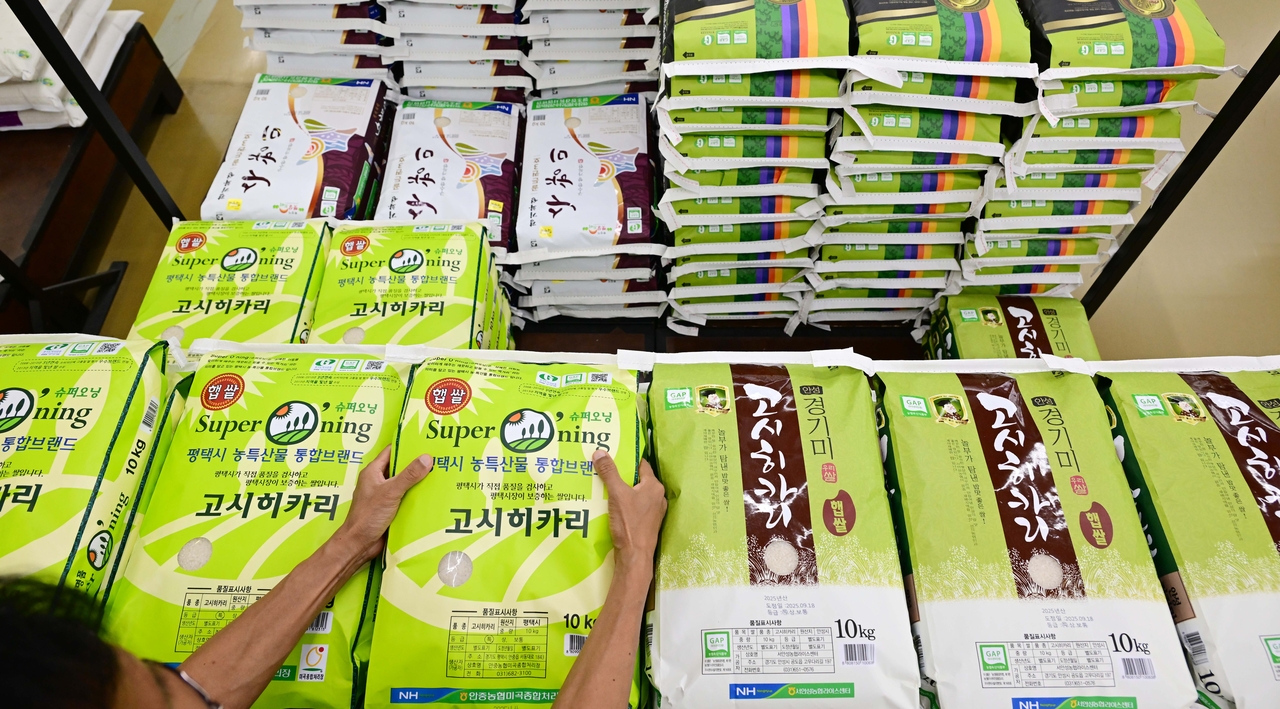
The way Koreans consume rice is changing. A rise in single-person households, elevated rice prices and the spread of ready-to-eat foods are together eroding the tradition of cooking rice at home.
Rice prices surged past 68,000 won per 20 kilograms in October last year, and while they have eased somewhat this year, they remain well above historical norms. The sustained cost pressure is weighing on rice demand in both households and the food service industry.
According to data released Tuesday by the Korea Agricultural Marketing Information Service (KAMIS) under the Korea Agro-Fisheries and Food Trade Corporation, the retail price of rice stood at 63,653 won ($47) per 20 kilograms as of Friday — down 5.98 percent from the same date last year. That marks a modest retreat from the levels above 68,000 won seen in October last year, reflecting recent weakness in farm-gate prices and a base effect from the elevated prices of a year ago.
Even so, rice remains expensive by historical standards. According to the Agricultural Outlook Center at the Korea Rural Economic Institute, the farm-gate price as of Sept. 15 was 56,612 won per 20 kilograms — 15.5 percent above the average for normal years (49,034 won) and 0.5 percent higher than the same period last year. Retail prices are also running 15.09 percent above the historical norm.
Falling demand has compounded the pressure. High inflation has cut rice purchases across most food service and institutional catering sectors, with the exception of quick-service eateries. Rice purchases by the food service and catering industry totaled 518,000 metric tons in the January–July period this year, down 6.7 percent from the same period last year. Purchases by hansik restaurants fell from 255,840 metric tons to 240,590 metric tons, institutional cafeterias dropped from 71,898 metric tons to 58,211 metric tons, and Korean-style meat restaurants declined from 52,809 metric tons to 48,613 metric tons.
Operating conditions for the restaurant industry have also deteriorated. Data from the National Tax Statistics Portal show that the number of hansik restaurant operators nationwide stood at 403,299 in July, down 1.46 percent from 409,300 in July last year.
Dining-out prices continue to climb. According to the Korea Consumer Agency's price information portal, the national average price of kimchi jjigae baekban last month was 9,080 won. Bibimbap averaged 10,314 won, up 2.3 percent from a year earlier. A single roll of kimbap is approaching the 4,000-won mark — averaging 3,869 won in Seoul, followed by Gwangju at 3,760 won and Gyeonggi Province at 3,759 won. The national average of 3,581 won was up 5.8 percent from 3,382 won in the same month last year.
Home cooking tells a similar story. Retail rice sales in August totaled 32,000 metric tons, down 15.2 percent from a year earlier, while the average selling price rose 3.8 percent to 4,100 won per kilogram over the same period. Analysts attribute the volume decline to the combination of higher prices and a growing consumer preference for smaller-packaged products.
Quick-service eateries bucked the trend. Rice purchases by kimbap and other fast-casual restaurants rose 9.0 percent over the past year, from 55,008 metric tons to 59,960 metric tons. The convenience store ready-to-eat market is also expanding. CU's convenience food sales in the first half of this year rose 16.0 percent from the same period last year, with kimbap rolls up 25.5 percent, triangle kimbap up 14.2 percent and dosirak up 11.3 percent — all posting double-digit growth. Seven-Eleven recorded similar gains over the same period, with triangle kimbap sales up 25 percent, kimbap rolls up 22 percent and dosirak up 15 percent.
"The way people consume rice is changing alongside demographic shifts, and demand is gradually declining," said Lee Hong-ju, a professor of consumer economics at Sookmyung Women's University. "If supply contracts in response to falling consumption, prices will inevitably rise again."

siuu@heraldcorp.com