Variable aperture turns streetlights into stars
Cooler, longer-lasting: one full charge lasts 23 hours
Heavier than its predecessor — and two 'panic pulls' along the way
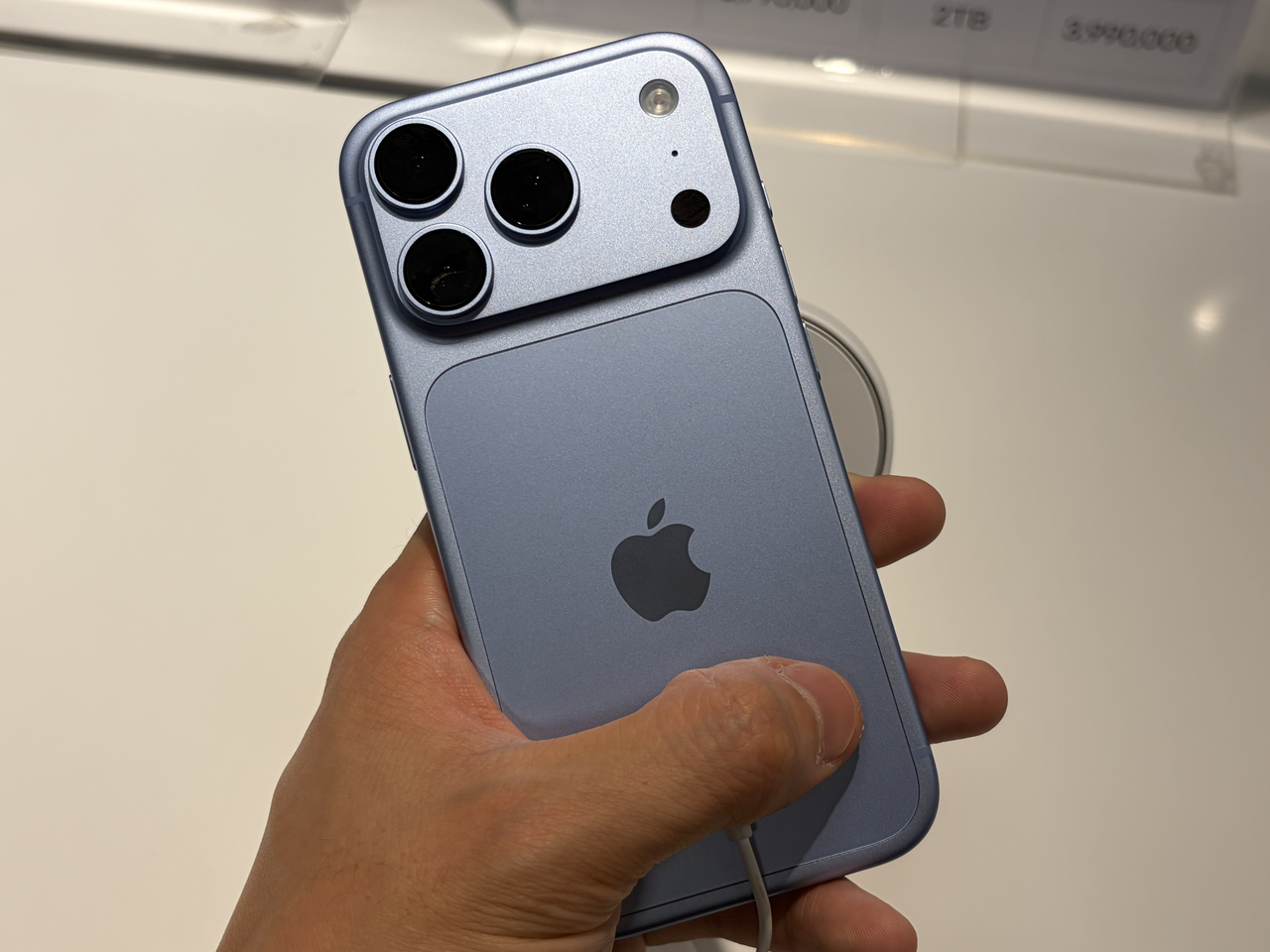
"There's really no need to buy an expensive camera anymore."
That was the takeaway after spending about two weeks with Apple's new iPhone 18 Pro. Despite a long-standing reputation for mediocre photography skills, this reviewer found it easy to capture well-optimized shots in virtually any situation — thanks largely to the phone's ability to finely adjust the camera aperture. For consumers who have repeatedly chosen Apple over Samsung Electronics because they simply cannot give up iPhone camera quality, the iPhone 18 Pro will almost certainly keep them in the fold.
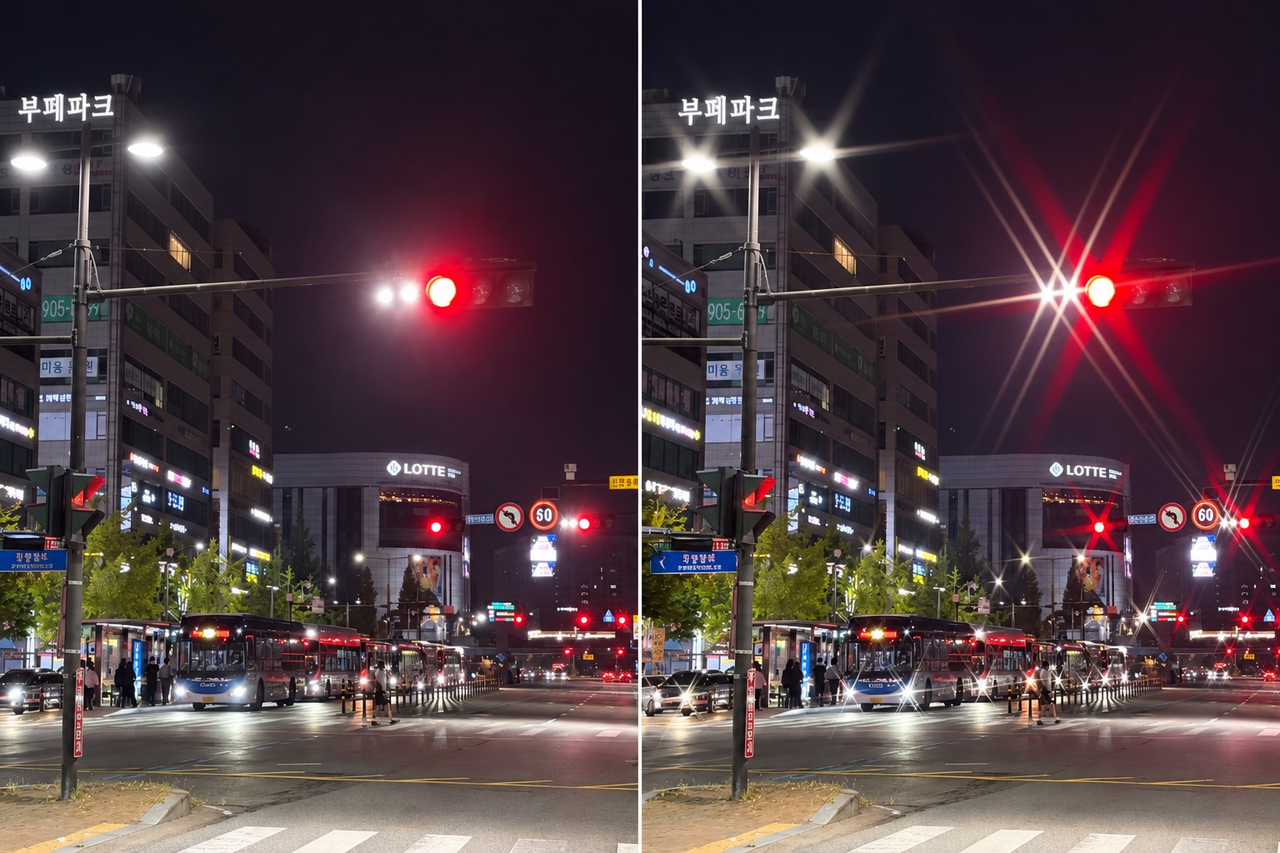
The iPhone 18 Pro's most notable upgrade over its predecessor is a significant leap in camera performance. The headline feature is a variable aperture — a first for the iPhone lineup. The aperture is the mechanism inside a camera lens that controls how much light enters; a variable aperture lets users adjust the opening to suit different shooting conditions.
The effect was particularly striking at night. During an evening walk, setting the aperture to f/4.0 and pointing the camera at a street transformed car headlights and traffic signals into sharp, star-shaped bursts — the so-called starburst effect. The aperture can be adjusted across four stops: f/1.48, f/1.8, f/2.8 and f/4.0. The higher the f-number, the more pronounced the light-splitting effect.
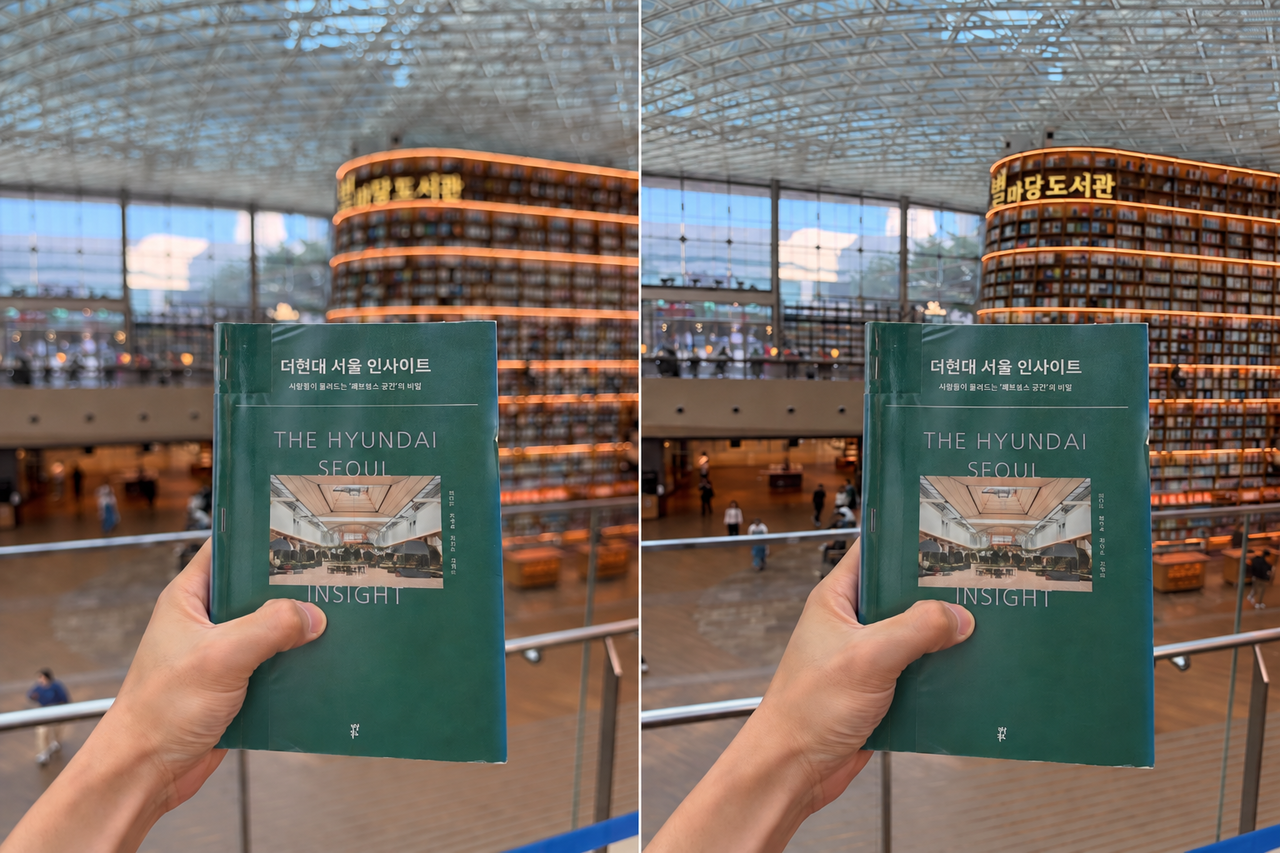
The variable aperture also proved useful for close-up shots. Narrowing the aperture when photographing a nearby object widened the depth of field, keeping the background sharp — a contrast to many competing smartphones that blur the background when focusing on a subject. In a library test, setting the aperture to f/4.0 and photographing a single book rendered the shelves behind it in crisp detail.
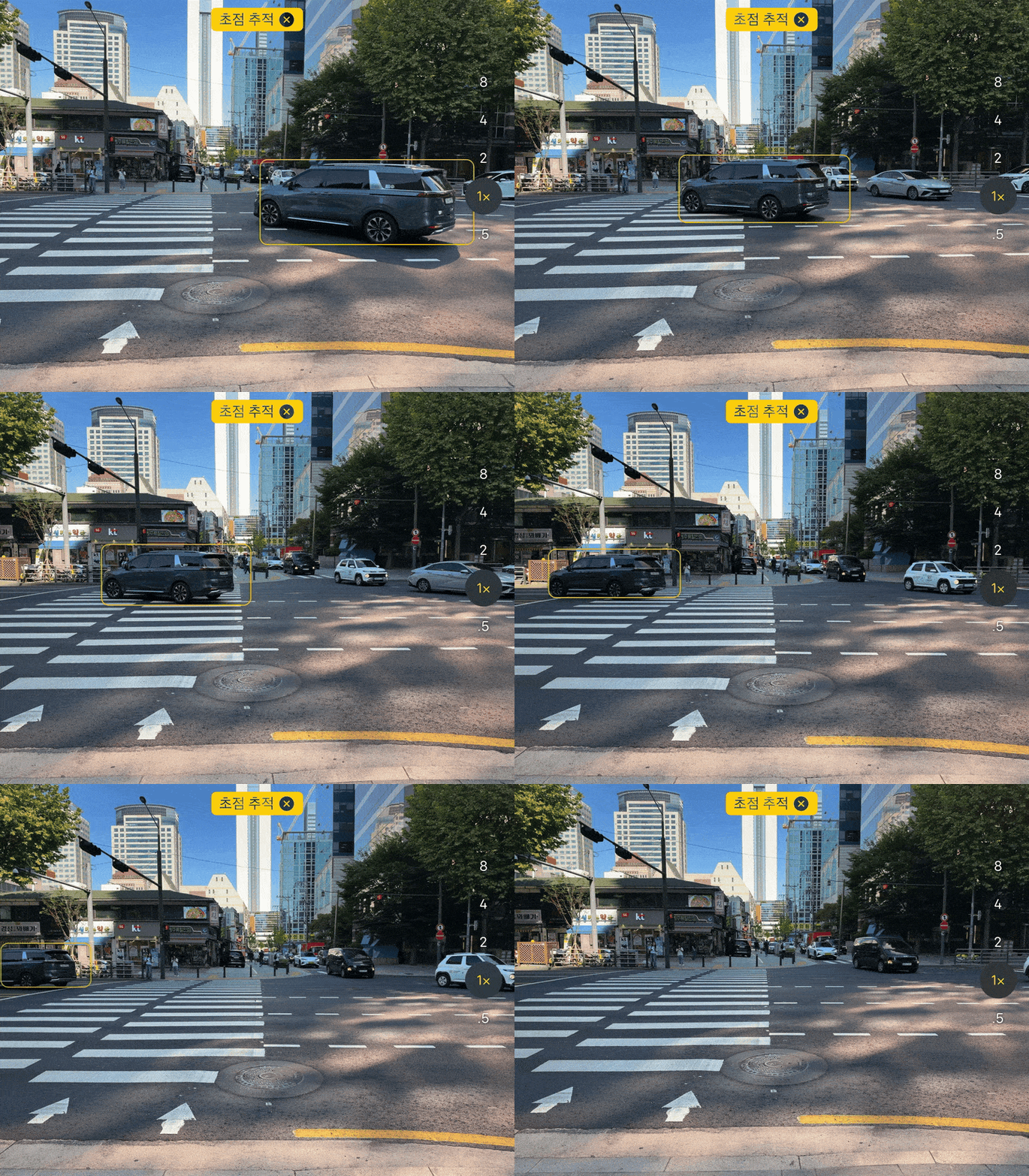
A new Smart Focus Tracking feature also impressed. Double-tapping a subject on screen prompts the camera to lock onto it and follow its movement. On the street, the feature tracked a moving car in real time with remarkable precision — and maintained the lock even after the vehicle briefly left the frame and returned.
Beyond the camera, thermal management was also impressive. The iPhone 18 Pro uses a chip-packaging design that places the system semiconductor and memory chip side by side to dissipate heat more quickly. The vapor chamber — a cooling system that uses the evaporation of liquid inside the device to draw away heat — is three times larger than in the previous model. The phone did warm up noticeably during data backups, video recording and fast charging, but the heat subsided within minutes once each task was complete.
Battery life is another strong point. A single full charge was enough to last the entire day. Starting video recording, extended audio recording and email checks from 7 a.m. through a 5 p.m. finish still left the battery above 50 percent. Apple rates the iPhone 18 Pro at up to 34 hours of video playback on a full charge, or up to 23 hours under real-world usage conditions.
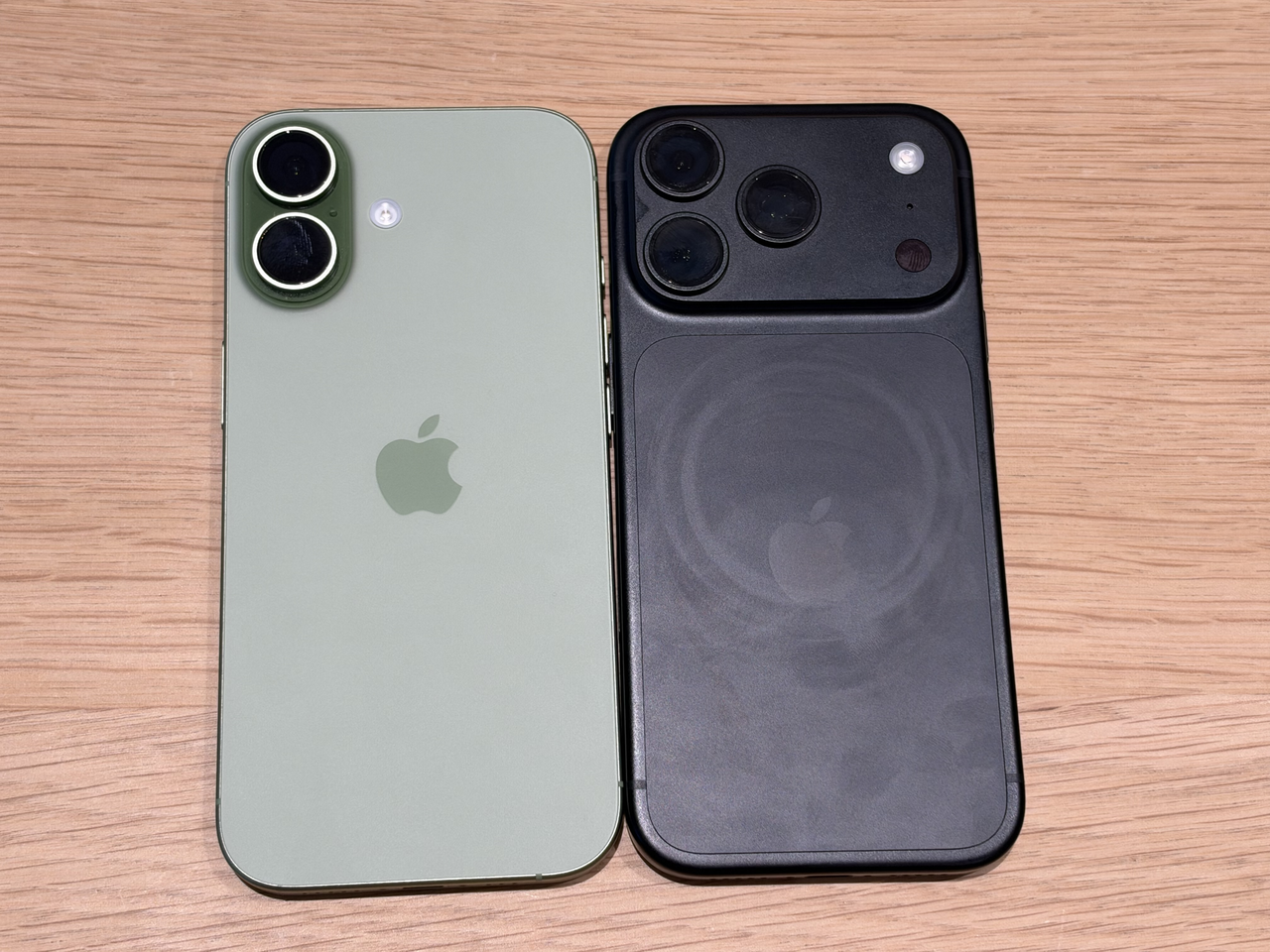
The weight, however, was a drawback. The iPhone 18 Pro is 0.4 millimeters thicker and 7 grams heavier than its predecessor. Compared with the standard iPhone 17 this reviewer normally uses, the difference balloons to 34 grams — enough that holding the phone one-handed put noticeable strain on the pinky finger supporting the bottom of the device.
The much-discussed "panic pull" phenomenon also struck twice. The term refers to the phone shutting itself off and rebooting spontaneously. Running the Nike Run Club app and Naver Maps separately under iOS 27.0, the device switched off without warning on both occasions. After updating to iOS 27.0.1, however, no further incidents occurred over the following week.
Apple launched the iPhone 18 series — the iPhone 18 Pro and iPhone 18 Pro Max — in South Korea on Sept. 18. The iPhone 18 Pro starts at 1.99 million won ($1,490) and the iPhone 18 Pro Max at 2.19 million won. Apple's first foldable smartphone, the iPhone Duo, opens for pre-order Friday before going on sale Oct. 23. The iPhone Duo starts at 3.29 million won in South Korea.
chami@heraldcorp.com