Initial OPT application to carry $70,000 fee
Extensions would add another $30,000
Program allows up to 3 years of post-graduation work
Universities, tech firms brace for legal battle
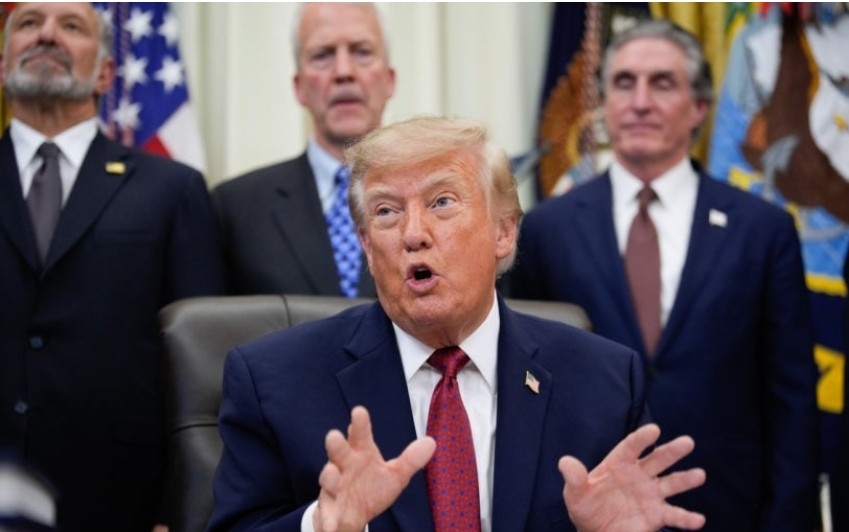
The Donald Trump administration is pushing to impose fees of nearly $70,000 on foreign students who graduate from US universities and seek work authorization — a move framed as protecting American jobs but one that could place a significant burden on US universities and technology companies.
The US Department of Homeland Security announced Wednesday (local time) a proposed rule that would attach new fees to the Optional Practical Training program, which allows foreign students to work in the United States after graduation.
Under the proposal, foreign nationals holding an F-1 student visa would pay $70,000 when first applying for OPT. Those who seek an extension of their work authorization would face an additional $30,000 fee. Combined, the initial application and extension would cost $100,000.
OPT allows foreign students who earn a bachelor's, master's or doctoral degree from a US university to work in their field of study without a separate work visa. Graduates are generally permitted to work for one year after completing their degree, while those in science, technology, engineering and mathematics fields can extend that period by two additional years, for a maximum of three years.
The Trump administration has argued that OPT threatens American workers' jobs. A DHS spokesperson said the program should not serve as a backdoor into the US labor market or as a pipeline for low-wage foreign labor, adding that American workers should not be forced to compete with cheaper foreign workers.
DHS said the proposal follows cases of OPT-related fraud and abuse detected by the Student and Exchange Visitor Program under Immigration and Customs Enforcement. The department said the steep fees are intended to push universities to screen OPT applications from foreign students more rigorously.
The proposed rule designates universities as the party responsible for paying the fees. If a school does not pay, US Citizenship and Immigration Services would not issue a work permit to the student in question. However, given the difficulty universities would face in absorbing such large sums, the costs would likely be passed on to the students themselves or to the companies hiring them.
If implemented, the measure could affect universities' ability to attract foreign students and companies' efforts to recruit international talent. US universities rely heavily on tuition from foreign students, and technology firms have long used OPT to hire highly skilled graduates from abroad.
The Associated Press said the move could deal a blow to US universities and some businesses.
The road to implementation, however, is expected to be rocky. DHS plans to finalize the rule after a 60-day public comment period, but legal challenges from universities and industry groups could delay or block it.
Doug Rand, who served as a senior adviser at USCIS during the Joe Biden administration, predicted the fee proposal would also be struck down in court. "If we're educating international students at our universities and they want to put their talents to work here after they graduate, we should be welcoming that," he said. "We shouldn't be chasing them away with absurd fees."
sjy@heraldcorp.com