
Ahead of its first full budget under the ninth elected administration, the district has streamlined 41 projects — eliminating routine reporting, low-impact programs and duplicate events — to reduce staff workloads and sharpen focus on resident-centered priorities.
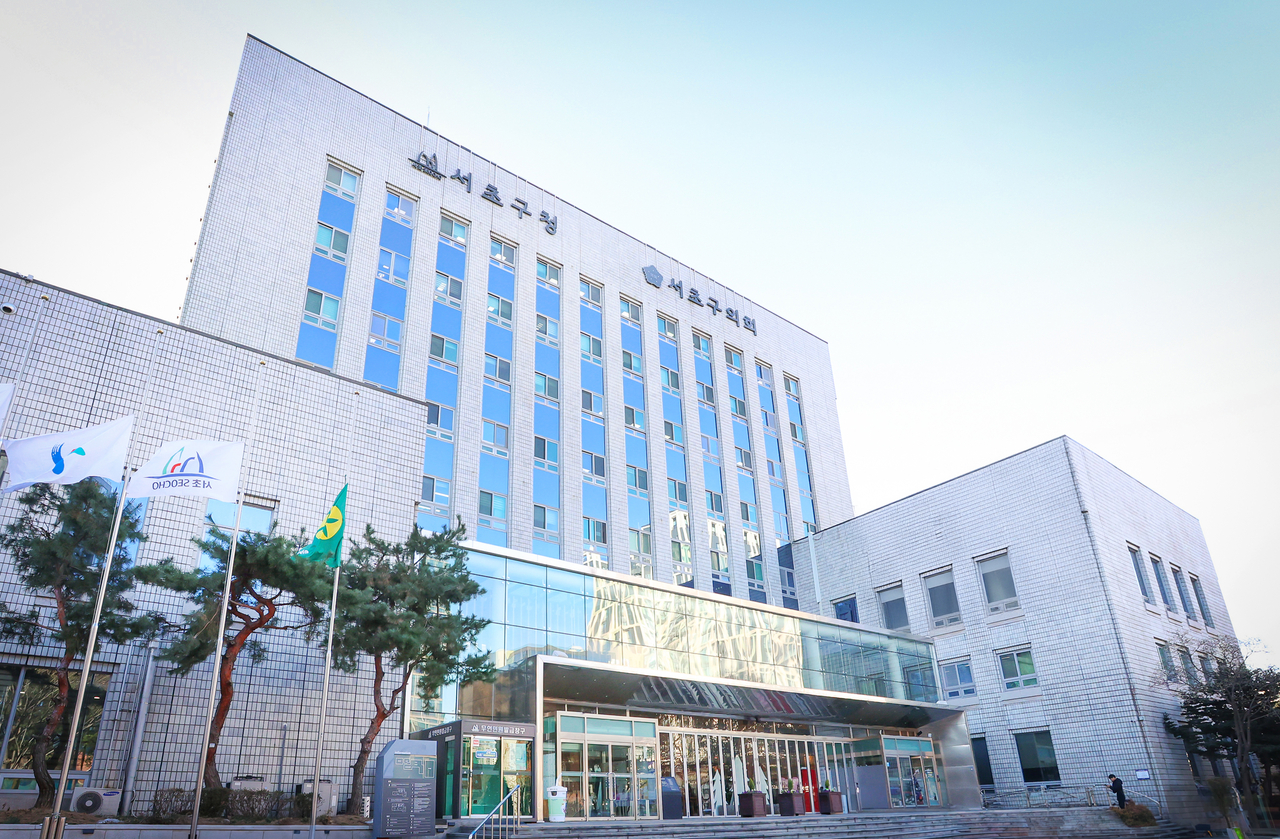
Seoul's Seocho-gu said it has launched a "work diet" initiative aimed at cutting unnecessary tasks and concentrating resources on core projects as administrative demand continues to grow.
The initiative was driven by the need to ease accumulated staff workloads and use a limited budget more efficiently ahead of the district's first full budget under the ninth elected administration. The district conducted a comprehensive review of the necessity and effectiveness of its operations, focusing on four categories: long-running routine projects, programs with low resident benefit, overlapping or duplicate programs, and projects whose functions had declined due to changes in the administrative environment.
From July 27 to Aug. 28, the district identified 41 projects across all departments as candidates for the work diet and shared improvement directions by bureau through its 2027 major work report. The effort is expected to generate budget savings of 1.15 billion won ($859,000) and improve overall administrative efficiency while creating a work environment in which staff can focus on core projects.
The main targets of the work diet are the weekly work report, an ice pack reuse program, and New Year and year-end concerts.
The weekly work report — a long-standing practice requiring all staff to compile materials each week for collection and review at the department and bureau level — was identified as a prime source of repetitive workload and has been immediately discontinued. The ice pack reuse program, launched during the COVID-19 pandemic to address a surge in gel-type ice packs from delivery and takeout packaging, is set to end this month after achieving its purpose: waste charges have reduced gel-type ice pack use, and eco-friendly water-type alternatives have become widespread.
In addition, the district will improve operational efficiency by consolidating overlapping and duplicate programs. The Bangbae Station bicycle repair center, which has seen low usage, will cease operations next year and be replaced by an expanded mobile bicycle repair service. The New Year and year-end concerts, previously held as Friday concerts, will be replaced next year by performances organized by the Seocho Culture Foundation and Seocho Cultural Center. Duplicate events will also be reduced: the dog festival will be merged into "Pet Family Day," and the child care policy outcomes presentation will be folded into the "Child Care Festival."
By overhauling routine reporting, duplicate projects and redundant events, the district expects to lighten staff workloads and redirect administrative capacity toward core projects with a direct impact on residents. The district plans to continuously monitor each department to ensure the work diet translates into real workload reductions, while pursuing follow-up measures including next year's budget adjustments to further cut habitual and inefficient tasks.
"The essence of the work diet is to reduce unnecessary work so that administrative capacity can be concentrated where it is truly needed," Seocho-gu District Mayor Jeon Seong-su said. "We will conduct a work diet every year to create an environment where staff can focus on core projects, and ensure that those changes translate into better administrative services for our residents."
seouldream01@heraldcorp.com





