
372 tons imported from January to August, on pace for a record annual high
Import registrations for processed tteok products up sevenfold this year
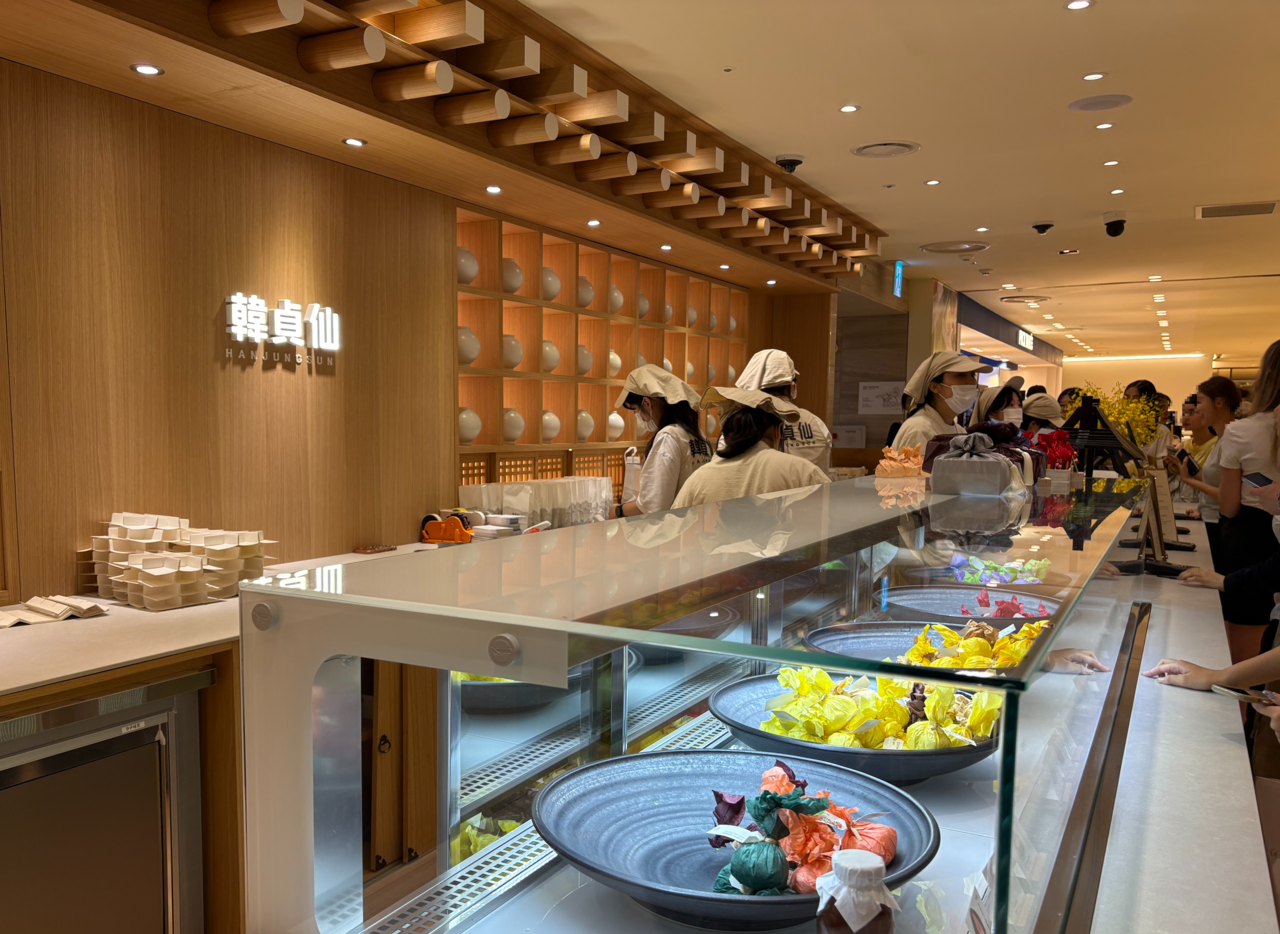
Was the tteok you ate Monday made in Korea?
A booming appetite for tteok desserts is driving a surge in rice cake imports. The volume imported this year has jumped more than 30 percent.
According to Korea Customs Service trade statistics released Tuesday, imports of tteok products totaled 372 tons from January through August, up 30.9 percent from 284 tons in the same period last year. Annual imports had climbed from 381 tons in 2023 to 455 tons in 2024 before dipping to 416 tons last year, but the figures have now turned upward again after just one year.
At the current pace, full-year imports are expected to exceed 500 tons — the highest annual volume since records began in 2000. That figure is dwarfed by the 18,248 tons exported over the same January-to-August period, but the rise in imports, driven largely by processed food products, is drawing attention.
According to the Ministry of Food and Drug Safety's imported food information portal, 258 processed tteok products imported from China, Japan and other countries were registered between Jan. 1 and Monday. That is more than seven times the 36 registrations recorded in the same period last year. In 2024 and earlier years, there were none at all.
Most of the registered products are glutinous rice cakes of the kind currently in vogue — strawberry chapssaltteok, yogurt chapssaltteok, castella-powder chapssaltteok and matcha mochi, among others. Kirimochi, a grilled rice cake that frequently appears in the popular Japanese animated series Crayon Shin-chan, accounted for 12.8 percent of this year's import registrations, or 33 filings.
Imported processed tteok sells mainly through online platforms, reflecting strong demand from consumers who want to enjoy trendy rice cakes at home with minimal effort. There is also demand from people who tried these snacks while traveling in Japan or China and want to buy them back home.
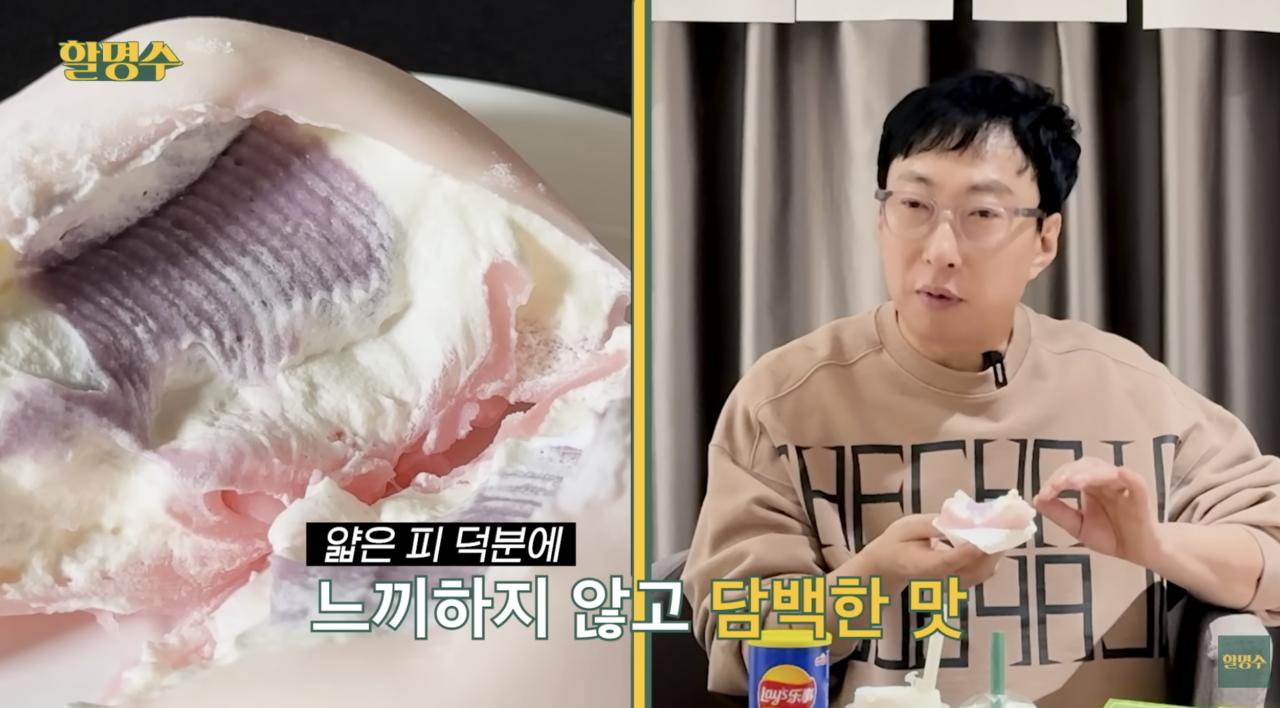
Tteok was traditionally bought from neighborhood rice cake shops, but demand for convenient ready-to-eat foods surged after the COVID-19 pandemic and imports began to climb. Annual tteok imports stood at 212 tons in 2019, jumped to 303 tons in 2020, and have since held in the 300-to-400-ton range each year.
The trend accelerated after North Jeolla Province's Iksan Agricultural Cooperative launched a fresh-cream glutinous rice cake in 2022, sparking wider interest among the MZ generation in fusion tteok filled with fresh cream, cream cheese and other Western ingredients. Japanese- and Chinese-style fruit-filled chapssaltteok gained popularity, as did a Chinese dessert featuring chapssaltteok floated in milk tea, gradually eroding consumer resistance to imported rice cakes.
More recently, new varieties such as pizza-seolgi have emerged, suggesting the tteok craze shows no sign of fading — and imports are expected to keep rising. Retailers are responding by hosting a string of pop-up events showcasing specialty tteok shops. Lotte Department Store has drawn daily open-run crowds with pop-ups featuring Yeongdobariddeokbang, credited as the originator of pizza-seolgi; Yukgubangatsgan, a celebrated chapssaltteok shop from Sokcho; and Linimochi, a Shanghai-style handmade fresh-fruit chapssaltteok brand. E-mart24 also ran a fusion tteok pop-up last month at two of its dessert-focused stores to strong customer response.
"The fusion tteok trend is fueling demand not only at tteok shops and pop-up events but also through online platforms and convenience stores, where people want to pick something up easily," an industry official said. "The upward trend in imports will continue."
spa@heraldcorp.com





