'K-food globalization' and 'the whole city as a festival'
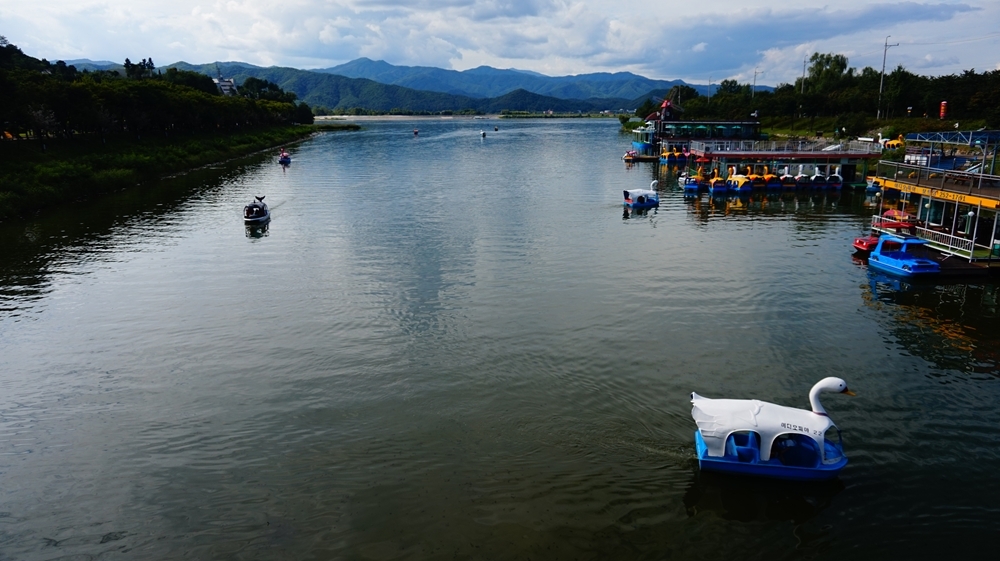
Anyone who has visited Chuncheon before finds, on returning after a long absence, that the city quietly conjures memories of youth — college days, first loves, the careless energy of being young.
The romance of Gongji Stream and the taste of dakgalbi and makguksu are inseparable, however different their nature. Eating makguksu or dakgalbi in Seoul still brings Chuncheon to mind, and a stroll around Seokchon Lake — once a river, now a lake — can summon the memory of a person left behind long ago on the shores of Uiam Lake. Merchants in Seoul, chefs in Gwangju and diners in Daegu all know that a restaurant doing dakgalbi well earns the right to call itself "Chuncheon dakgalbi."
Yeongwol may be the city that lives with its king, but Chuncheon is the city that lives with the memories of every citizen in the country. The body remembers the flavors of those days.
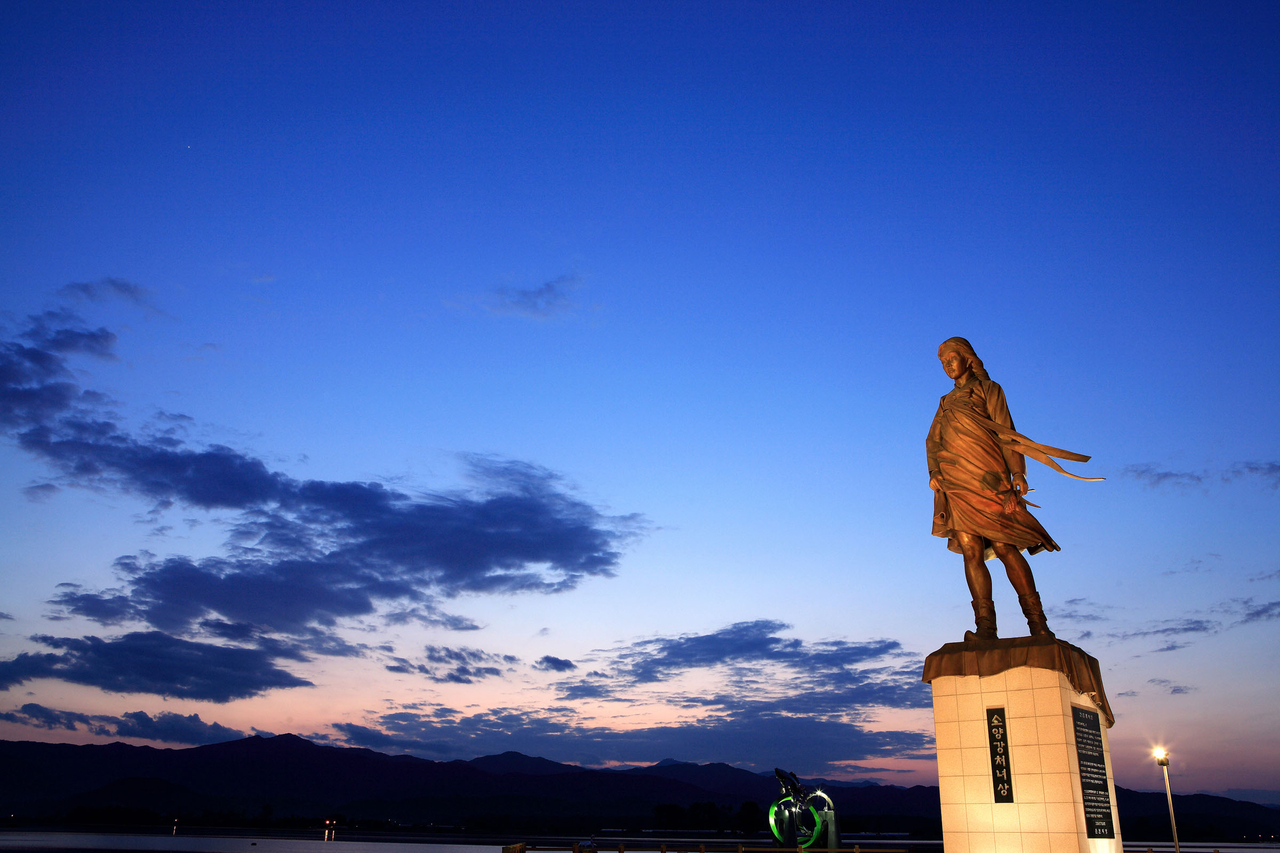
A statue of "Soyang River Maiden" — the song that has topped noraebang charts for 40 consecutive years — stands watch over the nostalgia-soaked Chuncheon Makdak Festival.
An autumn food festival celebrating makguksu and dakgalbi, two of Chuncheon's defining icons, is set to open, bringing both dishes together in one place.
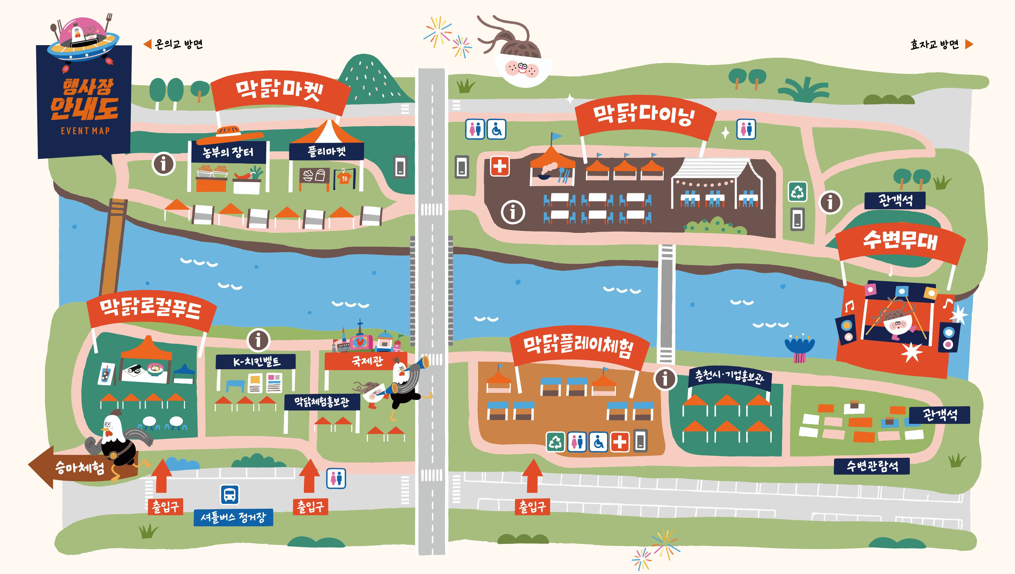
Chuncheon will hold the "K-Cuisine 2026 Chuncheon Makguksu Dakgalbi Festival" along the waterside promenade of Gongji Stream for five days, from Wednesday through Sunday.
This year's festival is built around two core themes: globalizing K-food and turning the entire city into a festival venue. Going beyond a simple food fair where visitors sample makguksu and dakgalbi, the event is designed as a participatory culinary festival that weaves together world food culture, civic arts performances and a wide range of hands-on programs.
The main draw remains Chuncheon's signature dishes. At the festival grounds, makguksu will be sold for 6,900 won and dakgalbi for 9,900 won at special festival prices. A total of 19 restaurants will take part — eight makguksu specialists and 11 dakgalbi specialists from the Chuncheon area — each showcasing its own distinctive flavors.
An international pavilion will let visitors explore food cultures from around the world. Chefs from six overseas cities will participate, introducing dishes from their home countries, while free global food tastings and cooking classes will offer residents and tourists an unusual culinary experience.

On opening day Wednesday, the program will include a tasting session with overseas chefs, a community sharing event offering 100 servings each of makguksu and dakgalbi, busking performances and an African cultural show. In the evening, an official opening ceremony will be followed by a performance by Chuncheon-born singer Lee So-na, expected to lift the festive atmosphere further.
Throughout the festival, family-oriented activity programs will be on offer in abundance. Visitors of all ages can try pulling makguksu noodles by hand, take part in traditional games from around the world, or enjoy an eco wooden playground, augmented-reality character experiences, everyday arts and crafts, a "Makdak Play" zone and horseback riding.
The festival will not be confined to Gongji Stream. Street performances will run through Chuncheon's Myeong-dong district during the festival period, with related programs also taking place at Soyang Art Circle and Hwadong 2571.
On Saturday, a walking route called "Makdak Road" will set off from Soyang Art Circle, wind along the waterside path of Uiam Lake and end at Hwadong 2571. An afterparty with live music will follow at Hwadong 2571 the same evening.
Chuncheon is also strengthening ties between the festival and the local business community. Discount promotions will be available at makguksu and dakgalbi restaurants outside the main festival grounds, and tourism packages linking nearby attractions with accommodation will be offered to encourage visitors to spend more time and money in the city.
Organizers are also paying close attention to visitor convenience and safety. Reusable containers will be used throughout the festival grounds, and crowd management and vehicle controls will be in place around the venue. The festival opens at 11 a.m. each day, with food orders closing at 9 p.m. The city has urged visitors to use public transportation and shuttle buses to ease congestion around the venue.
Chuncheon Mayor Yuk Dong-han said the festival "captures the world's flavors and cultures alongside civic participation, all centered on Chuncheon's signature dishes of makguksu and dakgalbi," adding that he hopes "residents and tourists alike will enjoy the tastes and charm of Chuncheon and create special autumn memories throughout the city."
abc@heraldcorp.com