
KNPA selects 8th round of special performance awards
Officers behind suicide-attempt protection center also honored
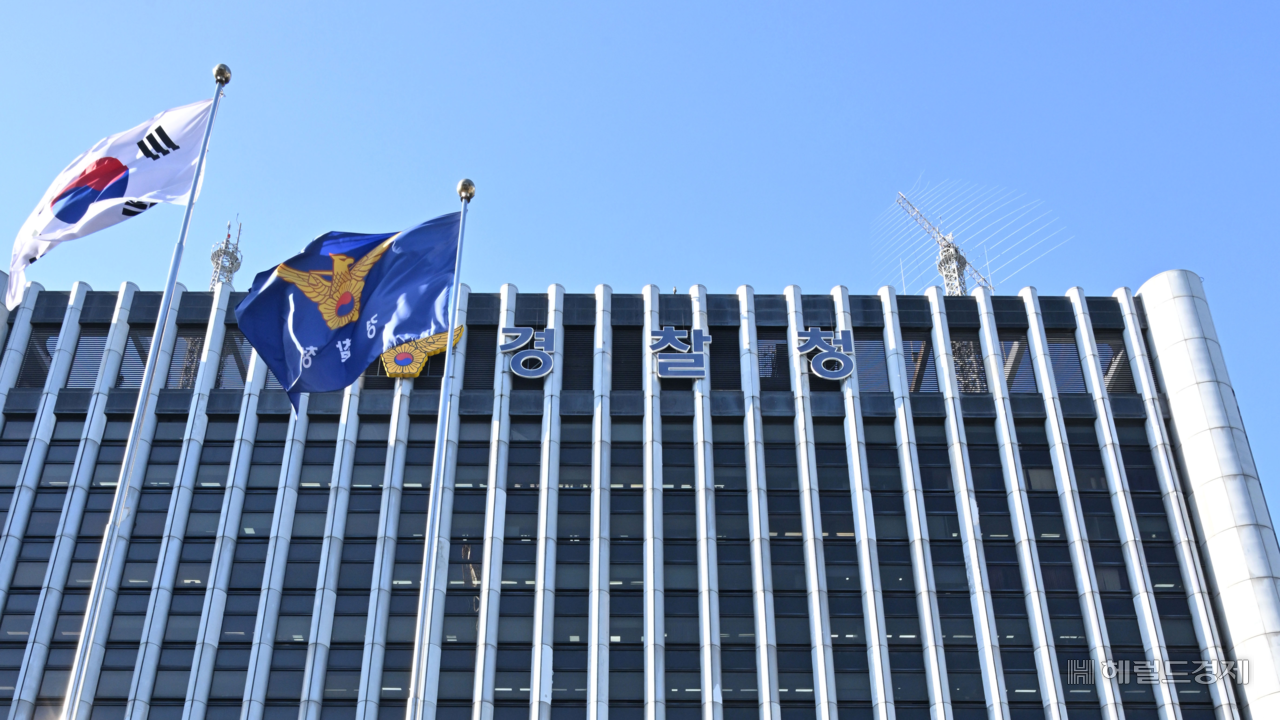
Police officers who apprehended a professional ticket scalper and led the introduction of a new protection system for psychiatric emergency patients will receive special commendations.
The Korean National Police Agency convened its Special Performance Award Deliberation Committee on Wednesday and announced it had selected outstanding cases to be recognized with cash prizes. The committee gave high marks to cases where officers identified problems affecting people's daily lives and translated them into systemic improvements.
"We will continue to actively identify and reward civil servants who achieve exceptional results that citizens can feel in their everyday lives, firmly establishing a performance-driven organizational culture," the agency said.
Scalper sold 8,967 tickets over 8 years, pocketing 2.4 billion won
Professional operator used profits to buy apartment, commercial properties
A cybercrime investigation team at the Gyeonggi Northern Police Agency has been selected for the award after apprehending a professional ticket scalper who made hundreds of millions of won reselling K-pop concert and sports event tickets.
The suspect, identified only as A, used automated "macro" programs and other people's accounts to snap up tickets and resell them at a markup from September 2018 through April this year — a scheme spanning roughly eight years. Police confirmed 8,967 scalped ticket transactions, with illicit profits reaching about 2.4 billion won ($1.79 million).
Evidence also emerged that A used the proceeds to purchase one apartment and two commercial properties. Police secured pre-indictment confiscation preservation orders on assets worth about 1.3 billion won, including the commercial properties and bank deposits.
The investigation began after data from the Korea Creative Content Agency flagged a single seller who had moved roughly 19 million won worth of tickets in just three months. Investigators cross-referenced online activity and telecommunications records to identify A, then expanded the probe to cover years of past transactions.
Senior Constable Kim Chun-jung and two colleagues from the Gyeonggi Northern Police Agency's Cybercrime Investigation Unit 2 will share a 15 million won prize for their work.
"This case started from just 69 suspicious transactions and ultimately exposed a large-scale scalping operation that had run for about eight years — that makes it a meaningful achievement," Kim said. "I take this award as both encouragement and a reminder to see every case through to the end, and I will work to become a cyber investigator that the public can trust."
A Gyeonggi Northern Police Agency official urged the public to report suspicious scalping activity and to use only official ticketing platforms or approved resale channels. "Ticket scalping is a crime that robs K-pop fans of a fair chance to attend performances and an unfair practice that distorts everyday prices," the official said.
Police said they will continue to crack down on ticket scalping.
Psychiatric emergency patients were simply sent home after police care
Officers led creation of public institution to provide professional support
Senior Inspector Jo Tae-hyeon and Inspector Kim Yang-hyo of the KNPA's Crime Prevention Policy Division, who spearheaded the introduction of a "temporary protection center" through cross-ministry collaboration, will each receive a 15 million won prize.
The temporary protection center serves as a public relief institution where police can hand over people rescued after suicide attempts or psychiatric emergencies. It keeps individuals in a safe environment for a set period, has specialists assess their condition, and connects them with medical institutions or other services as needed.
Article 4 of the Act on the Performance of Duties by Police Officers allows police to transfer people they have protected after a suicide attempt to a public relief institution. Yet for 45 years after the provision was enacted, no such public institution existed to fulfill that role. As a result, officers at local stations had no choice but to return suicide attempt survivors to their guardians after a brief period of protection. Without follow-up professional treatment, the same individuals often required repeated emergency calls.
"Simply providing temporary protection at a local police station and then sending someone home had clear limits," Jo said. "We needed a new protection system to ensure that support continued without interruption, but until now there was no specialized public institution to receive people we had protected on the scene."
"Colleagues on the front line kept raising the issue, and once the fire department, the Ministry of Health and Welfare and other relevant agencies agreed that something had to change, we were able to push for a new protection framework," Kim said.
The temporary protection center has been incorporated into the pan-government suicide prevention policy and is scheduled to begin pilot operations at about five locations nationwide from 2027.
If you're thinking about self-harm or suicide, dial the Suicide Prevention Hotline at 109, available 24 hours a day, seven days a week. Please request a translator for English-language services.
arin@heraldcorp.com





