
Data submitted for national audit highlights regional imbalance; only 36% of certified artists live in Seoul
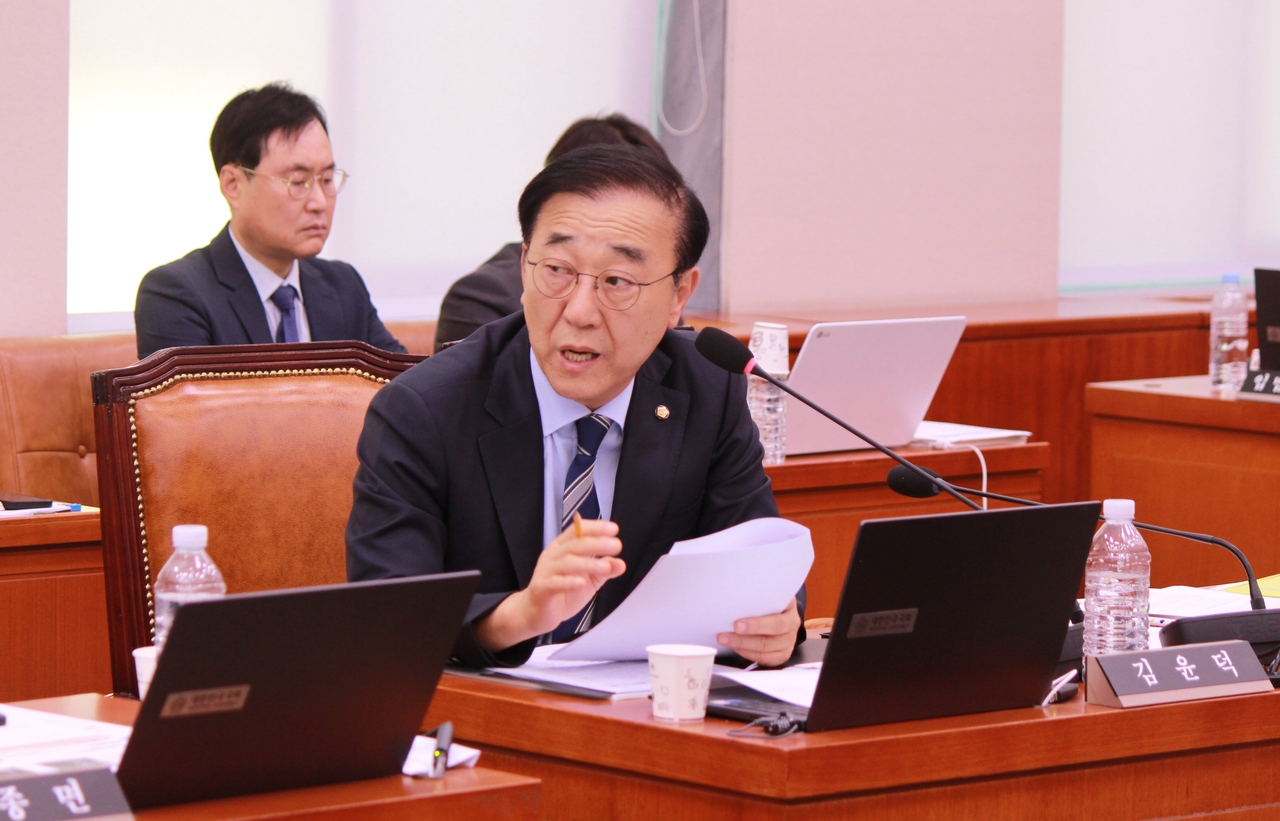
The Greater Seoul metropolitan area accounts for 77 percent of state-supported performing arts creation funding and 87 percent of jeonse housing loans for artists, according to data submitted for a national audit.
The figures come from materials that Rep. Kim Yun-deok of the Democratic Party of Korea — who represents Jeonju's Gap district in North Jeolla Province and sits on the National Assembly's Culture, Sports and Tourism Committee — obtained from the National Assembly Budget Office. The data show that the only two childcare centers for artists' children under the Korea Artists Welfare Foundation's support program operate in Seoul, and that 86.8 percent of jeonse loan approvals for artists' housing stability are concentrated in the metropolitan area.
The imbalance extends to long-term performing arts creation grants as well. Of the 60 organizations selected from 242 applicants for the program, 46 — about 76.7 percent — are based in the Greater Seoul area, including 37 in Seoul alone, which accounts for 61.6 percent of all selected groups.
The concentration might be less troubling if artists were equally concentrated in the capital region — but the opposite is true.
According to the Korea Artists Welfare Foundation's 2025 regional breakdown of certified artists, 209,934 artists hold active certification, of whom 75,469 — just 36.0 percent — live in Seoul. The remaining 134,465 artists, or 64.0 percent, reside outside the capital.
In other words, the system gives more to where fewer artists live and less to where more of them are.
The childcare support program provides part-time care for children aged 24 months to 10 years of certified artists, aimed at easing the child-rearing burden on those engaged in artistic work.
Yet the two centers that provide this service — one in Jongno-gu (the Bandi Care Center in Daehangno, serving 1,902 children annually) and one in Mapo-gu (the Yetbom Center in Mangwon-dong, serving 2,688 children annually) — are both in Seoul.
The jeonse loan program tells a similar story: of the 114 loan contracts signed in 2025, 86.8 percent went to borrowers in the metropolitan area, leaving just 15 contracts for artists living outside it.
Kim praised artists working in the regions as "guardians keeping culture and the arts alive outside the capital," and said "artists in regional areas who deserve even greater support must never face discrimination because of a flawed system."
Kim called for expanding "regional hub centers" to close the childcare gap between areas, developing measures to reduce regional disparities in performing arts grants and venue support, and introducing online loan screening and document submission for jeonse loans, along with outreach services that go directly to artists in underserved areas.
abc@heraldcorp.com





