Protests over high cost of living spread nationwide, leaving 1,000 injured
Police and demonstrators clash as Macron vows crackdown and dialogue
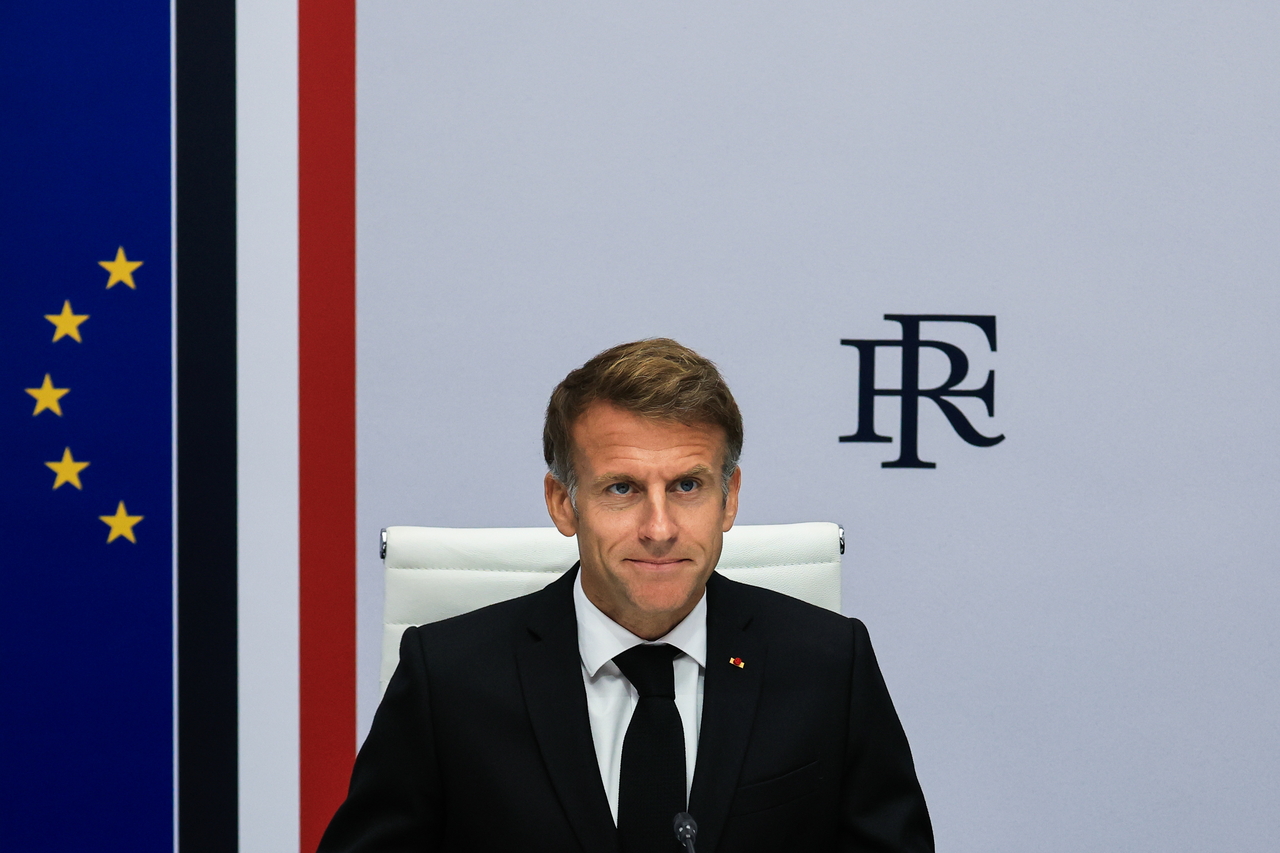
Protests demanding relief from high prices and better education conditions have intensified across France, leaving about 2,400 people arrested and roughly 1,000 others — including police officers — injured. President Emmanuel Macron sharply condemned the looting and violence that accompanied the unrest and said he would grant local governments the power to ban certain gatherings.
In a nationally televised address Sunday (local time), Macron said he felt "anger and shame" over the looting and acts of violence that erupted during the protests, according to AFP and Reuters.
"Nothing can justify this, nothing can explain it, and it cannot be forgiven for any reason," he said. "How can French citizens do this to France?"
Macron said, however, that a distinction must be drawn between those who took part in the violence and demonstrators raising legitimate grievances. He said he would respond firmly to the looting and violence without dismissing the underlying demands of the protesters.
Macron said he would give mayors and centrally appointed local prefects the authority to ban specific assemblies. He also ordered an investigation into whether there were failures in intelligence gathering and police preparedness ahead of the unrest.
The protests began as high school student rallies calling for improvements in education conditions, but expanded into a nationwide anti-government movement on Saturday when citizens angry over the high cost of living joined in.
French authorities said about 2,400 people were arrested during the unrest and roughly 1,000 were injured, including police officers. Disturbances continued into Sunday afternoon in some areas, with bicycles set on fire and clashes breaking out between police and demonstrators.
Analysts say the unrest is rooted in widespread frustration over the high cost of living and a fragile economic environment. Amid ongoing controversy over France's rising national debt and economic policy, protests that began over education have broadened into a wider rebuke of government policy.
Alongside his vow of a firm response to the violence, Macron also urged a resolution through social dialogue.
"We need to sit around the negotiating table and work out solutions together," he said, calling on the government to organize discussions involving students, teachers, lawmakers, union representatives and business leaders.
The crisis is also adding pressure on Macron as he approaches the end of his presidency. He took office in 2017 and is set to step down next year after completing his second term. Under the French constitution, presidents are barred from seeking a third consecutive term, meaning he cannot run in the next presidential election.
sjy@heraldcorp.com