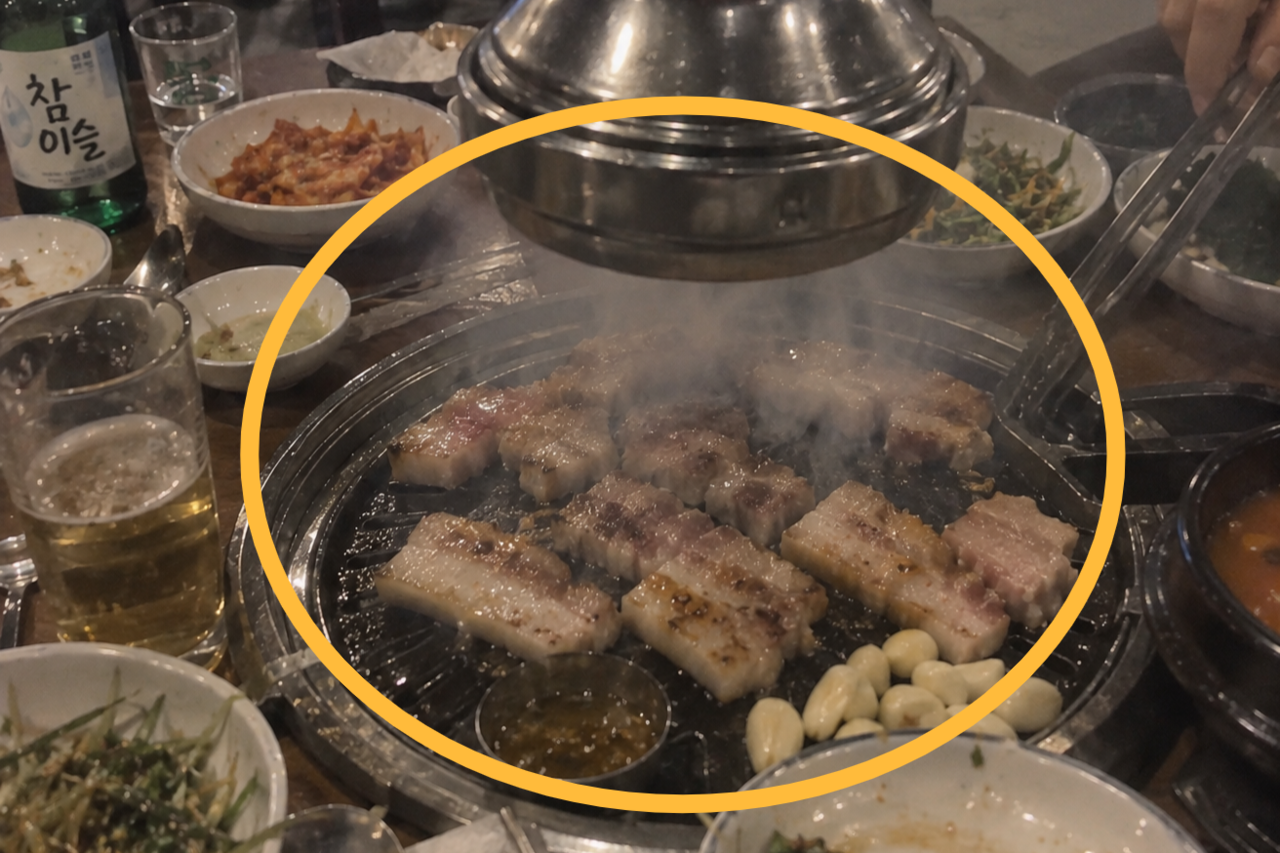
"I can't eat a meal without meat."
South Koreans' love of meat is no ordinary affair. Per capita meat consumption has already surpassed rice consumption, making meat the most-eaten food in the country.
Beef stands out as the most heavily consumed. South Koreans eat far more of it than their counterparts in Japan or China.
What many people do not realize, however, is that this dietary habit carries a serious hidden cost.
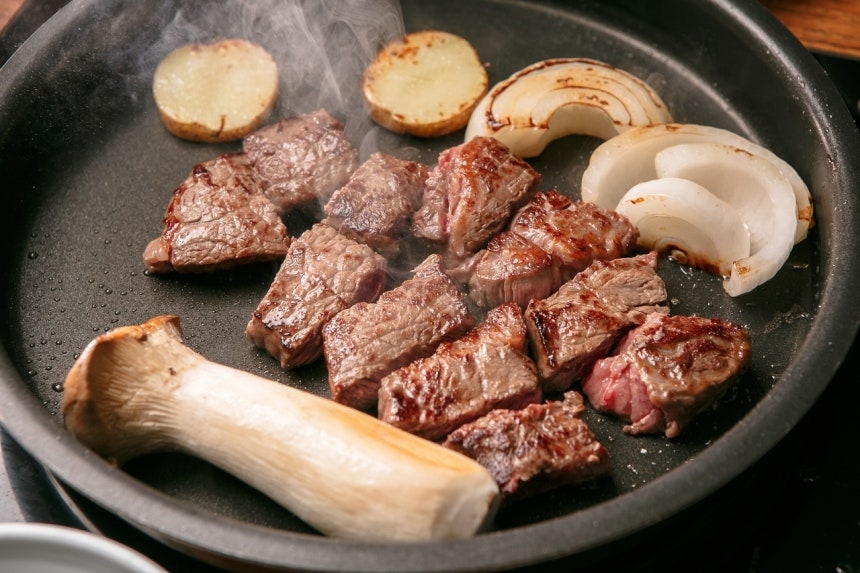
That cost is the damage done to the environment. Beef, in particular, has an overwhelmingly larger environmental footprint than other types of meat.
That does not mean everyone can simply give up meat. In South Korea, the share of people who choose a vegetarian diet for environmental reasons remains lower than in many developed countries.
But going vegetarian is not the only way to cut greenhouse gas emissions. Research shows that even modest changes to meat-eating habits could reduce diet-related greenhouse gas emissions by roughly half.
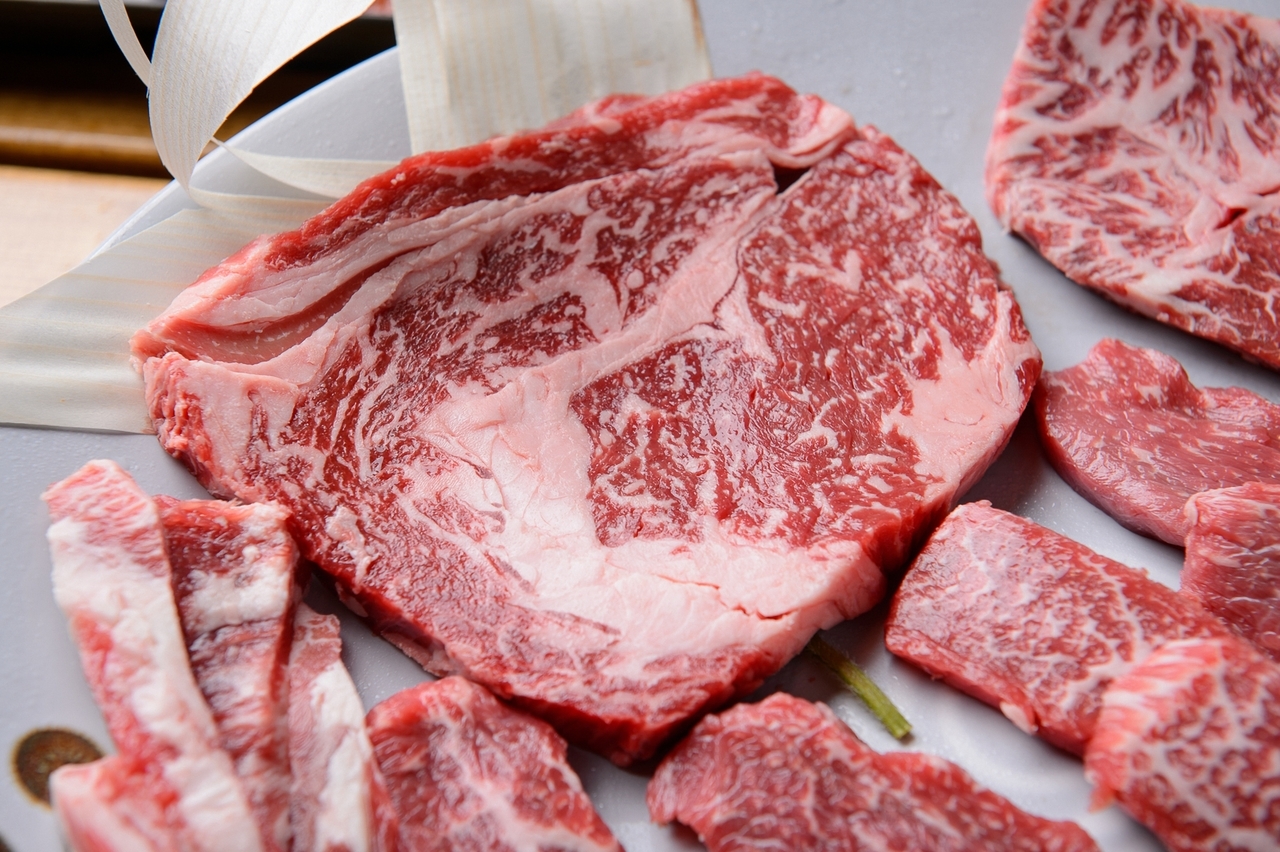
South Koreans' appetite for meat is striking. According to the Korea Rural Economic Institute, annual per capita meat consumption reached 61.4 kilograms in 2024, well above rice consumption of 55.8 kilograms. That figure has more than quintupled over roughly 40 years and continues to climb.
The problem lies in the greenhouse gas emissions that come with those eating habits. According to Climate Solution, a South Korean climate nonprofit, each South Korean generated an estimated 1,115 kilograms of greenhouse gas emissions annually from meat consumption in 2024.
Extrapolated to the entire country, that amounts to roughly 56.94 million tons per year — equivalent to about 34 percent of the annual greenhouse gas emissions from all of South Korea's coal-fired power plants combined.
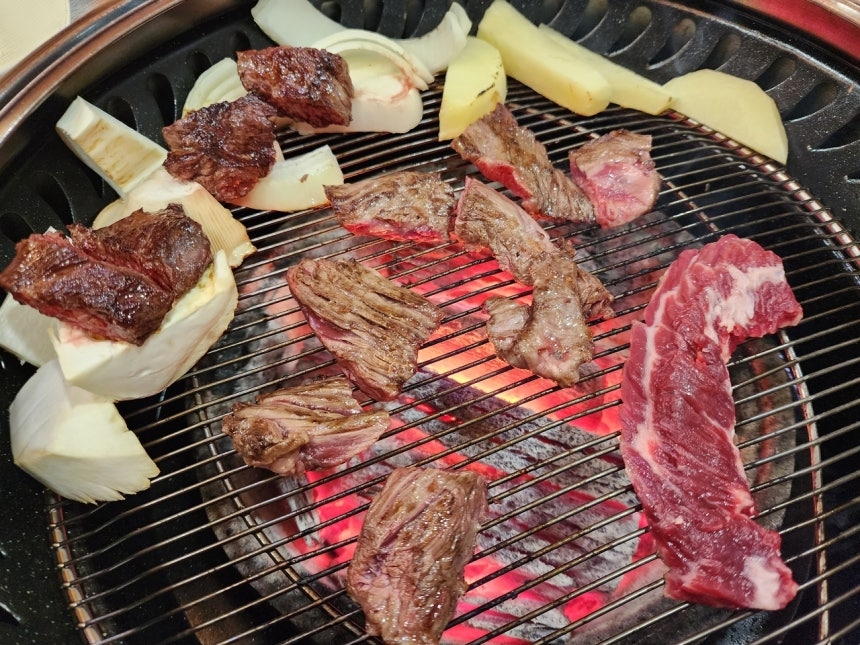
Beef's share of that burden is disproportionate. Although beef accounted for only 24.4 percent of total meat consumption, it was responsible for 55.5 percent of meat-related greenhouse gas emissions. A cut of meat that makes up roughly one-quarter of what South Koreans eat generates more than half of the diet's climate impact.
South Korea's beef consumption is high by regional standards. Per capita annual beef consumption stood at 15 kilograms in 2024, compared with 5.9 kilograms in Japan and 3.9 kilograms in China — meaning South Koreans ate about 2.5 times more beef than Japanese and about 3.8 times more than Chinese.
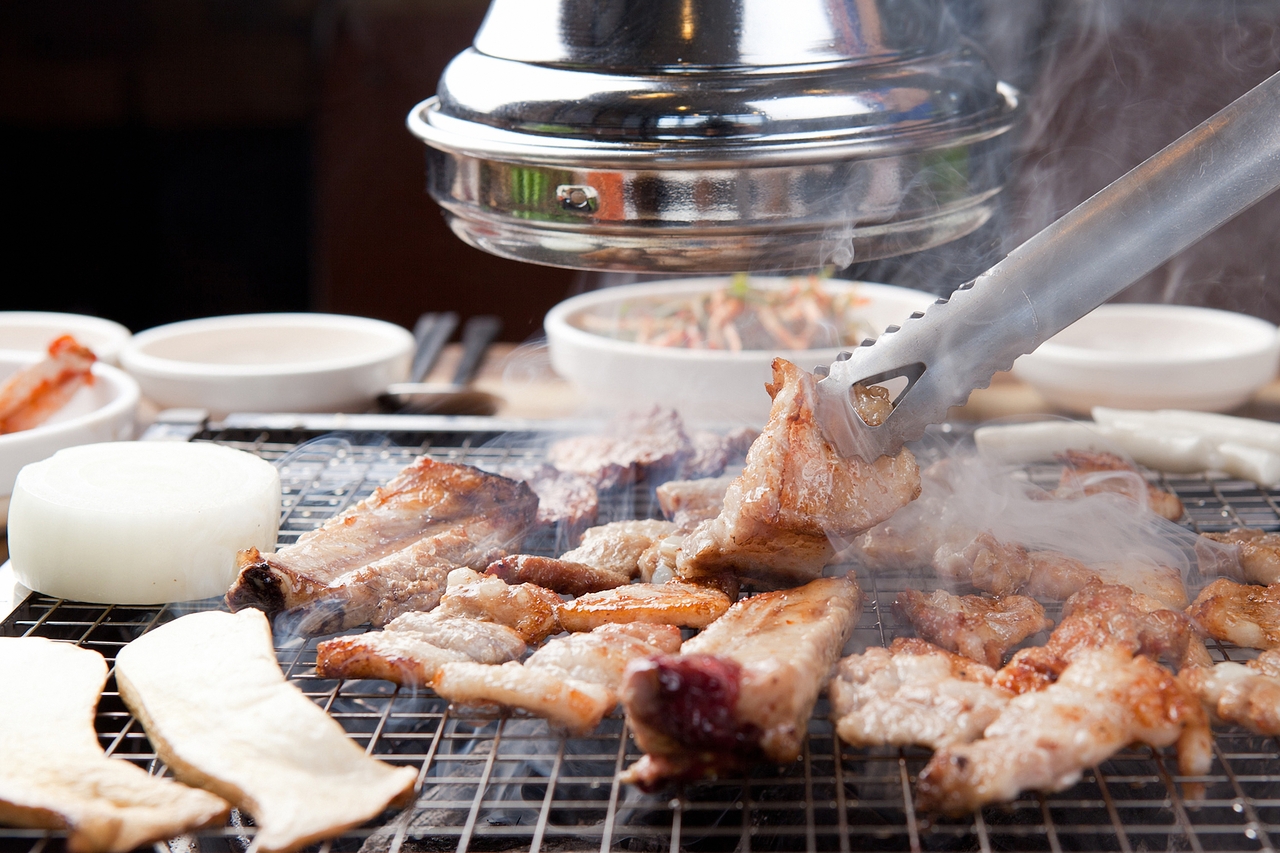
By weight, beef produces about 4.4 times more greenhouse gas emissions than pork and about 10.8 times more than chicken. One of the main reasons is methane, released during cattle digestion. Methane stays in the atmosphere for a shorter period than carbon dioxide, but its warming effect over the same quantity is far more potent.
In short, South Koreans are not just eating a lot of meat — they are eating the kind that is worst for the environment. Experts say a shift toward more sustainable diets is urgently needed.

Vegetarianism remains a fringe choice in South Korea. A survey of 1,000 adults nationwide conducted by Korea Research in July found that only 5 percent identified as vegetarian — and even among that group, full vegetarianism was uncommon.
Some 80 percent of self-identified vegetarians said they still eat red meat. Even those who say they follow a plant-based diet rarely cut out meat entirely. Notably, 65 percent of respondents said they had no intention of adopting a vegetarian diet in the future, suggesting that awareness of vegetarianism as an environmental choice remains limited.
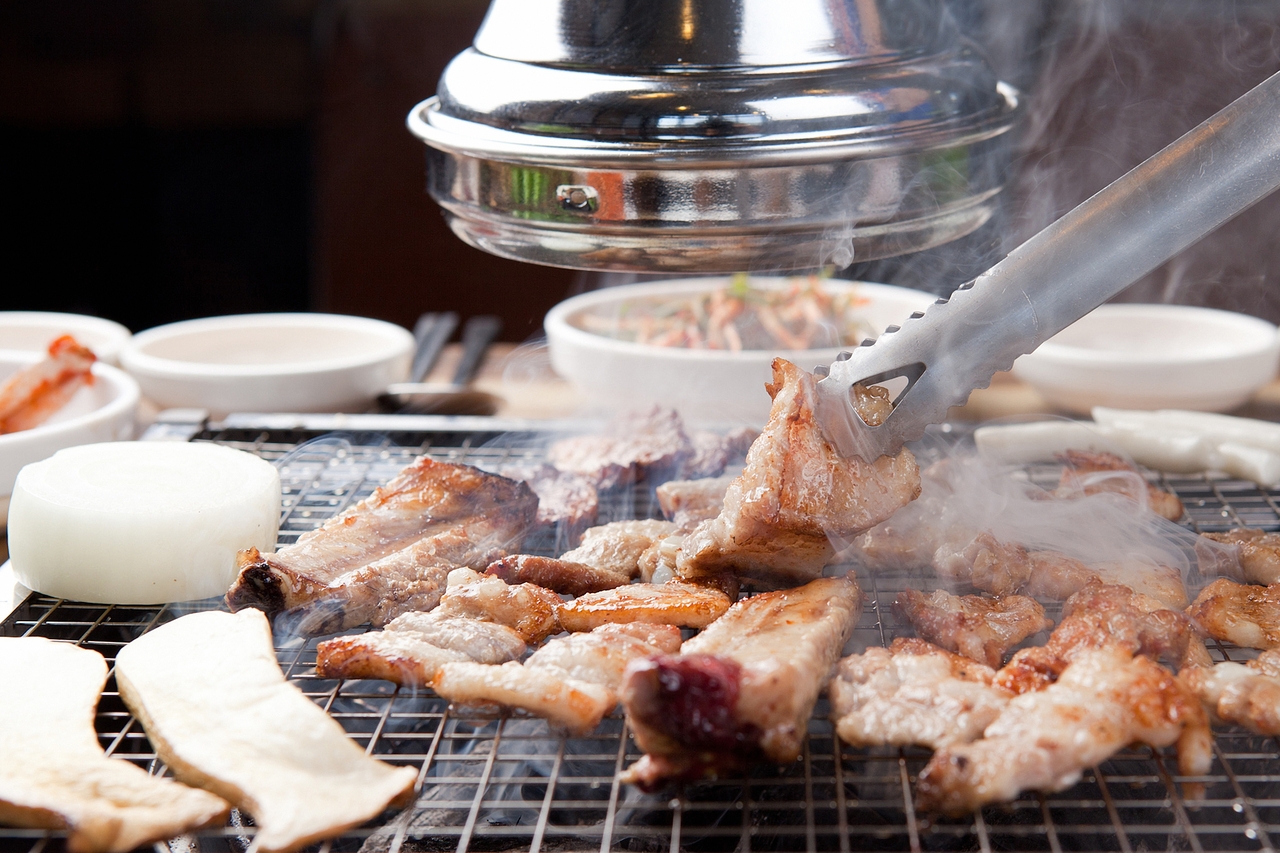
That has prompted calls for flexible, tailored diets that reduce meat consumption and shift the types of meat eaten, rather than demanding an outright ban. Research suggests that even without going fully vegetarian, small dietary changes can meaningfully cut greenhouse gas emissions.
A joint research team from Seoul National University and Myongji University published findings in the international journal Nutrition Research and Practice on Sept. 29, presenting a sustainable diet model based on the actual eating habits of South Korean adults. The researchers drew on dietary data from 3,983 South Korean adults who participated in the 2023 Korea National Health and Nutrition Examination Survey.

The team's focus was not on eliminating meat altogether. The goal was to find a diet that preserved as much of what South Koreans already enjoy eating as possible while reducing the environmental burden.
The results were striking. The average South Korean adult's existing diet generated 4.29 kilograms of greenhouse gas emissions per day. Under the researchers' redesigned diet, that figure dropped to 2.19 kilograms.
Of that reduction, as much as 80 percent — 1.68 kilograms — came from cuts in red meat consumption alone.
What makes the finding notable is that the reduction in meat intake was not nearly as large as the drop in emissions might suggest. The average South Korean adult currently eats 81.1 grams of red meat per day. Under the redesigned diet, that fell to 49.1 grams — a daily reduction of about 32 grams, or 39.5 percent.
Emissions fell by a far greater proportion than the reduction in meat consumed. That is because different types of red meat vary considerably in their greenhouse gas output. Simply choosing pork over beef, the research confirmed, can deliver an outsized cut in emissions with minimal sacrifice.
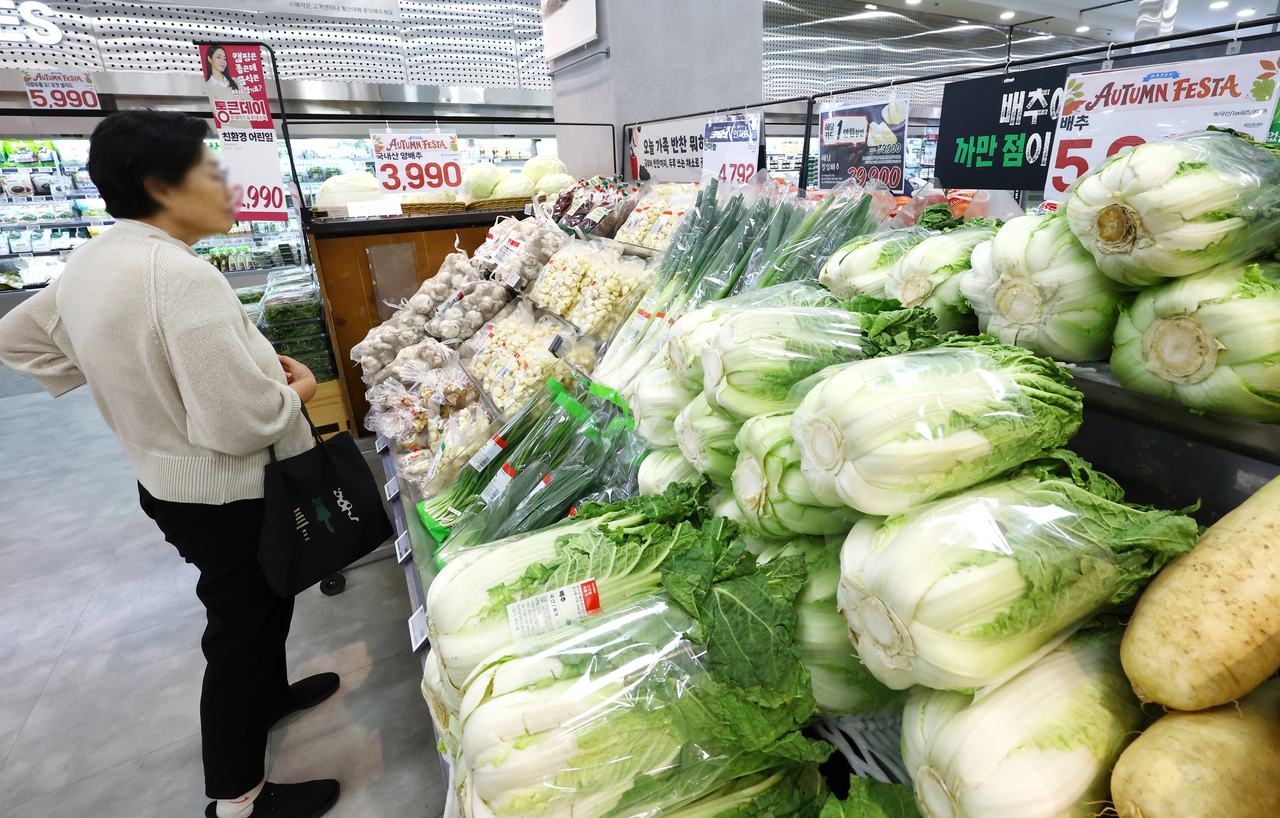
Experts believe South Koreans are ready to embrace this kind of dietary shift — eating less meat and choosing different types. Surveys suggest a meaningful willingness to adopt low-carbon diets.
In a survey of 2,000 adults commissioned by Climate Solution and conducted by Korea Research, 76 percent said they were willing to adopt a low-carbon diet in the future. Some 81 percent said the spread of low-carbon diets and alternative foods was necessary.
The challenge lies in the practical barriers that arise when people actually try to change their eating habits. Among those unwilling to adopt a low-carbon diet, the main obstacles cited were attachment to familiar tastes and textures and the higher cost of alternatives.
"The survey results clearly show that low-carbon diets and alternative foods are gaining public support, and that the government and businesses must now work together to build the systems needed to back that up," a Climate Solution official said.

woo@heraldcorp.com