15.88 billion won invested in US resort development project
Construction ground to a halt amid COVID-19 pandemic, leaving 15.11 billion won in losses
Court finds firm failed to adequately explain investment risks
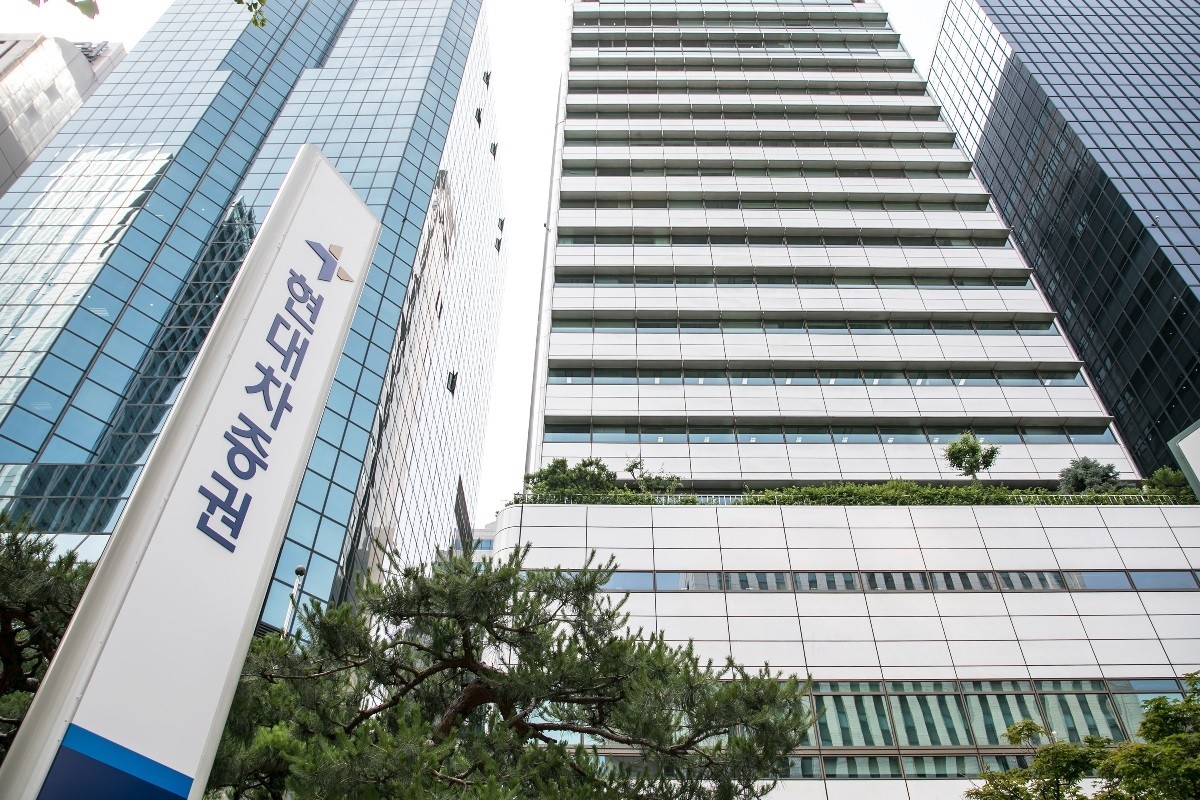
An appeals court has upheld a ruling ordering Hyundai Motor Securities to pay about 9 billion won ($6.81 million) to the Chung Mong-koo Foundation, which suffered losses of around 15 billion won from an investment in a Las Vegas resort development.
The Seoul High Court's Civil Division 14-1, presided over by Judges Nam Yang-woo, Hong Seong-uk and Park Jae-woo, dismissed appeals from both sides Thursday and upheld the lower court's ruling in favor of the foundation in a damages suit it filed against Hyundai Motor Securities, according to Yonhap and legal sources.
Hyundai Motor Securities had signed a discretionary investment agreement with the Chung Mong-koo Foundation and, while managing the foundation's assets, recommended in 2018 that it invest in a fund tied to a mixed-use resort development project in Las Vegas. The foundation agreed and invested about 15.88 billion won.
The COVID-19 pandemic then brought construction on the development to a complete halt in March 2020. The developer defaulted on its loans, leaving the foundation with losses of 15.11 billion won.
The foundation filed a lawsuit in 2021, arguing that Hyundai Motor Securities had violated its duty of care by failing to disclose the possibility of losses during the investment recommendation process.
Hyundai Motor Securities countered that the foundation had prior experience investing in alternative real estate products and was therefore aware of what the investment entailed, and that it had explained all identifiable risk factors within the scope of what it could have known.
The first-instance court found that while Hyundai Motor Securities had no intent to deceive the foundation, it had failed to adequately explain the investment risks and the likelihood of recovering the principal. It ordered the firm to pay 9.07 billion won — equivalent to 60 percent of the losses.
The appeals court also dismissed Hyundai Motor Securities' appeal, noting that the firm's investment proposal had stated that "even in the worst case, there would be no problem recovering the principal upon disposal of collateral." The court said the firm "should have sufficiently explained that the likelihood of recovering the investment could decrease if the development project failed," adding that there was no evidence it had done so in a way that an ordinary investor like the plaintiff could understand.
eyre@heraldcorp.com