Chinese EV makers in Europe seek local battery suppliers
EU local-sourcing push points to supply shortfall through 2032
US ESS market shifts away from China; demand seen up 29% next year
SK On secures 47.5GWh capacity in Europe, 9GWh ESS deal in US
A growing push to reduce reliance on Chinese suppliers — in Europe's electric vehicle market and North America's energy storage sector — is raising hopes that South Korean battery makers will see improved overseas earnings. In Europe, Chinese EV manufacturers are searching for local battery suppliers, while in the United States, Chinese energy storage system companies are pulling back from the market. As the supply chain reshuffles at speed, new contract opportunities are opening up for Korean battery firms.
Industry sources said Wednesday that Chinese EV maker Xpeng is scouting local battery suppliers in Europe to support its production expansion there. Xpeng Vice President Zheng Yeqing said at the Paris Motor Show on Oct. 12 that the company is "in the process of building a local supply chain," adding that "it will not be easy to find a local battery supplier that meets our requirements for charging performance and energy density."
Xpeng currently assembles EVs under contract at Magna's factory in Austria and is exploring plant acquisitions or partnerships with European automakers to secure additional production capacity. Changan Automobile is also in talks with European partners, targeting local production by mid-2027. Chery plans to use a former Nissan plant in Spain, while BYD is set to begin vehicle assembly in Hungary in the fourth quarter of this year and aims to produce all EVs sold in Europe locally by 2028.
The localization push by Chinese automakers is tied to tightening EU regulations. The bloc is pursuing expanded domestic production and procurement of EVs and batteries through its Industrial Acceleration Act. Germany and France also announced measures to favor locally produced vehicles on Friday.
Even if Chinese automakers assemble vehicles in Europe, sourcing batteries locally may require them to find new suppliers. A separate variable is the EU-China agreement to limit exports of Chinese-made hybrid vehicles. Should established European automakers increase EV sales as a result, Korean battery makers supplying those manufacturers could also benefit indirectly.
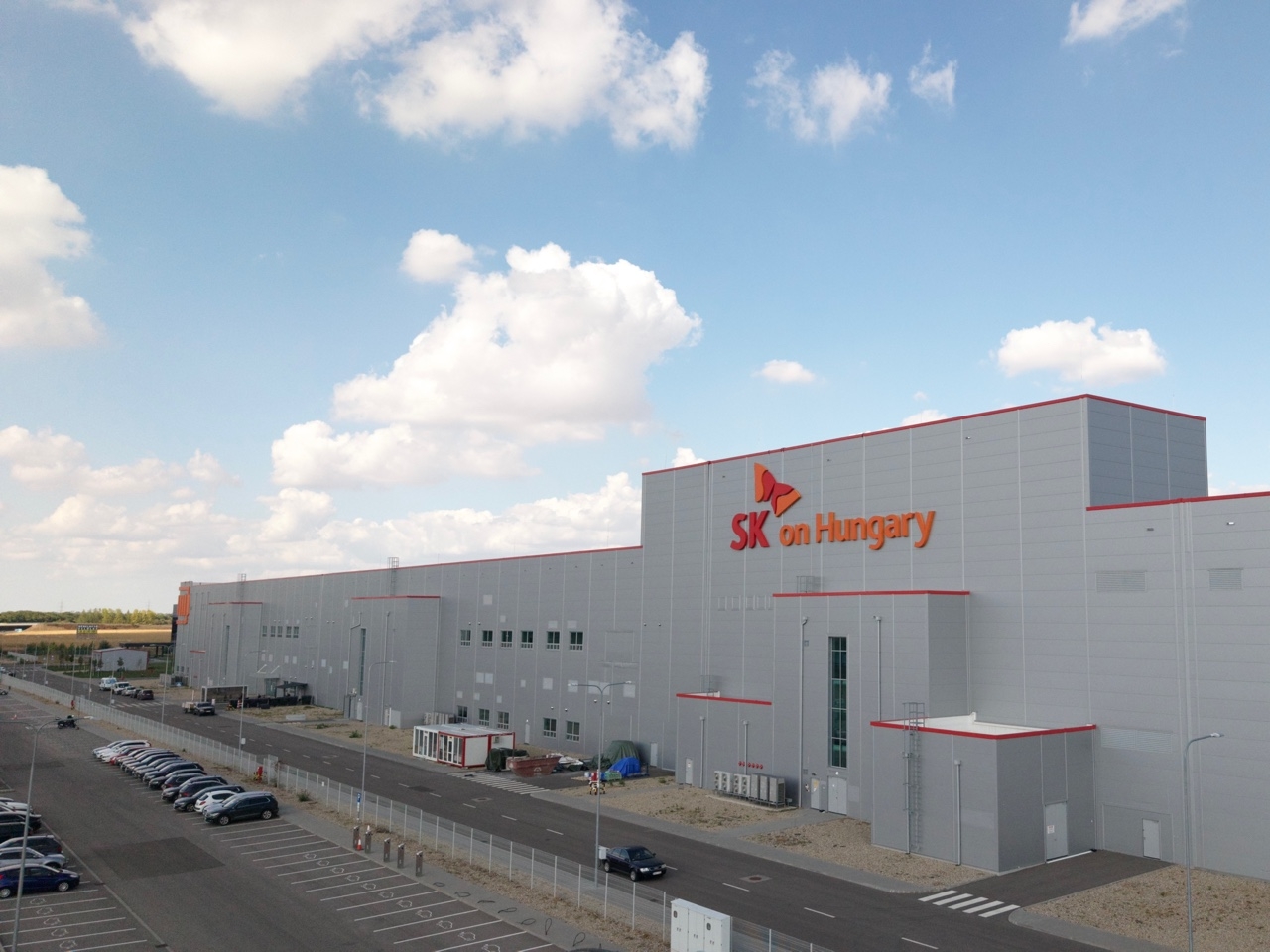
Europe faces battery supply shortfall; Korean makers' local presence a key advantage
Growth in Europe's EV market is also driving up battery demand. Daishin Securities forecast that sales of battery electric vehicles in Europe will rise 20 percent from this year to about 4.23 million units next year, with automotive battery demand climbing 16 percent to 326 gigawatt-hours.
Local supply, however, is struggling to keep pace. An analysis commissioned by the European Automobile Manufacturers' Association found that if local-sourcing regulations take effect, a battery supply shortfall could persist through 2032. Even if EU cell production grows from 90 GWh last year to 306 GWh by 2032, meeting regional demand would remain difficult.
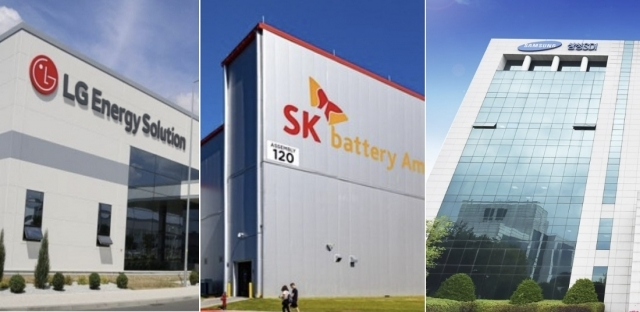
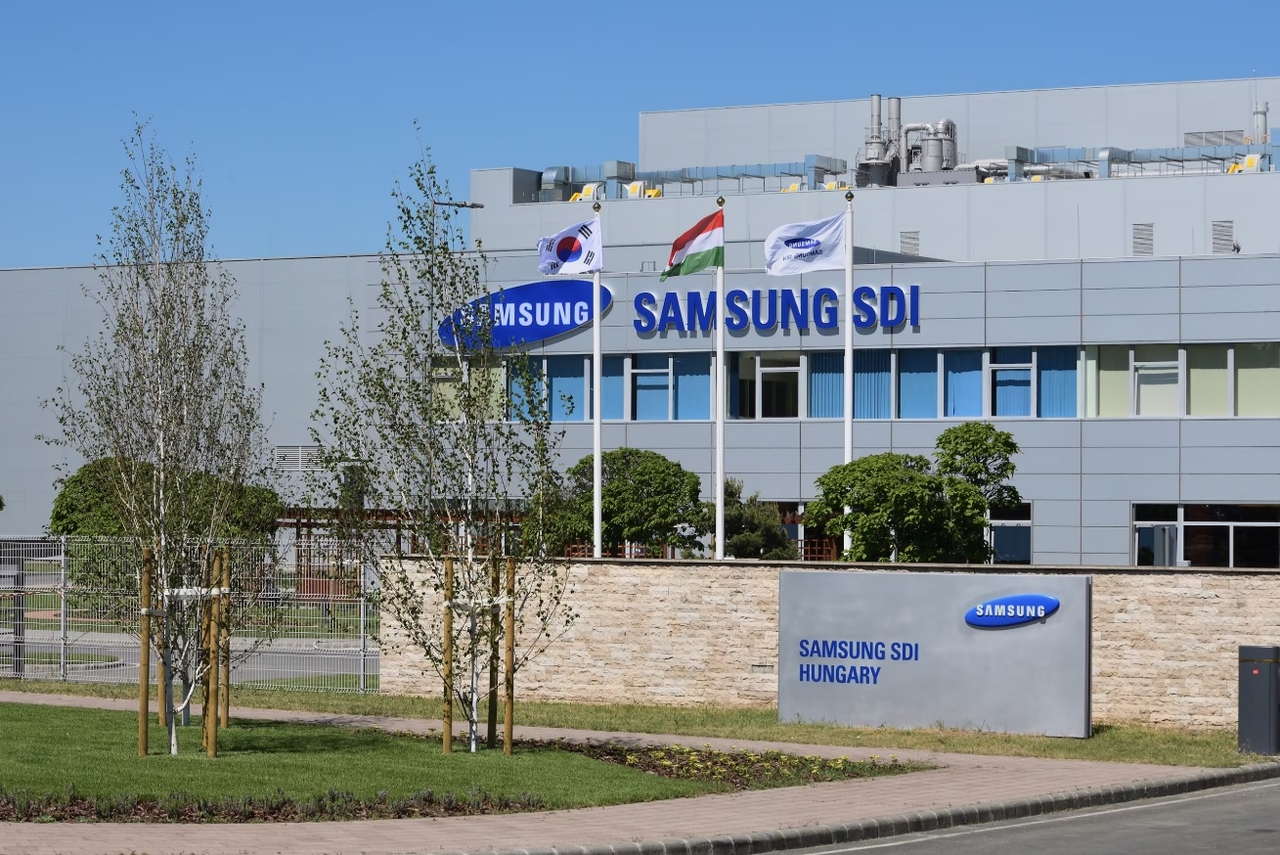
That gap is seen as an opening for Korean battery makers that have proactively built production facilities in Europe. The combined operating and ramping capacity of South Korea's three major battery companies in Europe stands at roughly 174 GWh — LG Energy Solution with 86 GWh in Poland, SK On with 47.5 GWh in Hungary, and Samsung SDI with about 40 GWh in Hungary. Their accumulated mass-production experience is also an advantage, given that many new Chinese factories in the region are still under construction or in early operation.
Technology is another competitive factor. SK On became the world's first company to commercialize an NCM9 battery with a nickel content of roughly 90 percent, and its SF battery can charge from 10 percent to 80 percent in about 18 minutes. SK On operates two plants in Komárom and one in Iváncsa, Hungary, and received Ford's top-tier Q1 Award for quality certification at the Iváncsa plant on Oct. 6.
US ESS market moves away from China, creating openings for Korean suppliers
In the United States, regulations aimed at reducing dependence on Chinese batteries are prompting Chinese companies to scale back. Major Chinese ESS players including CATL, EVE Energy and Hithium have in effect largely withdrawn from the US market, sources said, squeezed by American restrictions on Chinese firms and China's own controls on technology and personnel exports.
Washington is also tightening non-prohibited foreign entity procurement requirements tied to investment tax credits. The applicable local-content threshold for ESS installations is set to rise from 55 percent this year to 75 percent by 2030. That shift is expected to expand supply opportunities for battery makers that can replace Chinese supply chains. US-based ESS operators now face the task of scrutinizing not only where a battery supplier manufactures its products, but also its ownership structure and component sourcing.
Market growth adds to the opportunity. Daishin Securities projected that US battery energy storage system installation demand will reach 80.6 GWh next year, up 28.7 percent from this year. Demand linked to AI data centers is expected to surge more than sixfold, from 1.9 GWh this year to 12.1 GWh next year.
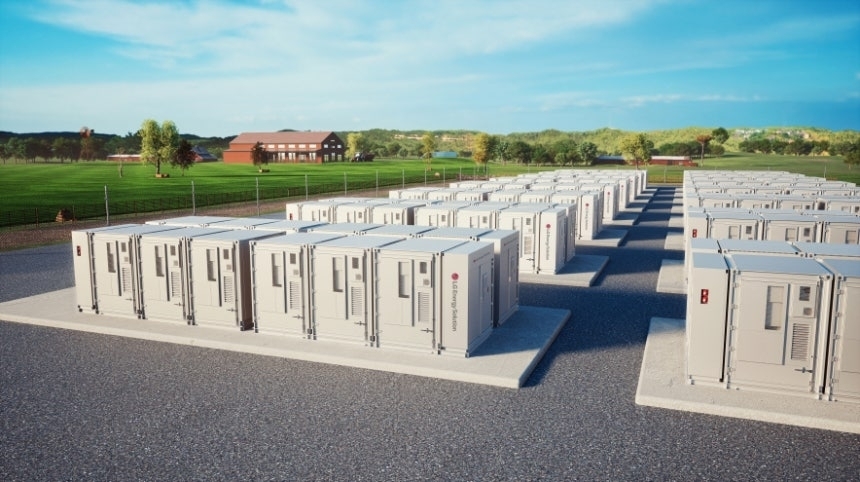
SK On signed a supply agreement in August with US ESS company Neovolta Power for 9 GWh of lithium iron phosphate battery cells, to be produced at its Georgia factory from 2027 to 2031. The two companies are also pursuing an additional 9 GWh of cooperation.
As of last month, LG Energy Solution and Samsung SDI held order backlogs of roughly 150 GWh and 80 to 100 GWh, respectively — estimated to exceed two years' worth of their North American production capacity.
Competition from Chinese companies, however, remains ongoing. CATL is building a 100 GWh factory in Hungary and pursuing a joint venture plant in Spain. Lee Hyeon-wook, a researcher at IBK Investment Securities, said Korean companies can enjoy a first-mover advantage for now, but added that "the competitive landscape is likely to change after 2030."
Kim Hyun-su, a researcher at Hana Securities, noted that China's lithium battery exports rose 36 percent year-on-year in the first three quarters of this year, saying that "while exports to the US declined, growth in exports to other regions offset the drop in US-bound volumes."

kwater@heraldcorp.com