PM Meloni orders troop deployment at emergency meeting
Government weighs preventive detention for minors, downtown curfew
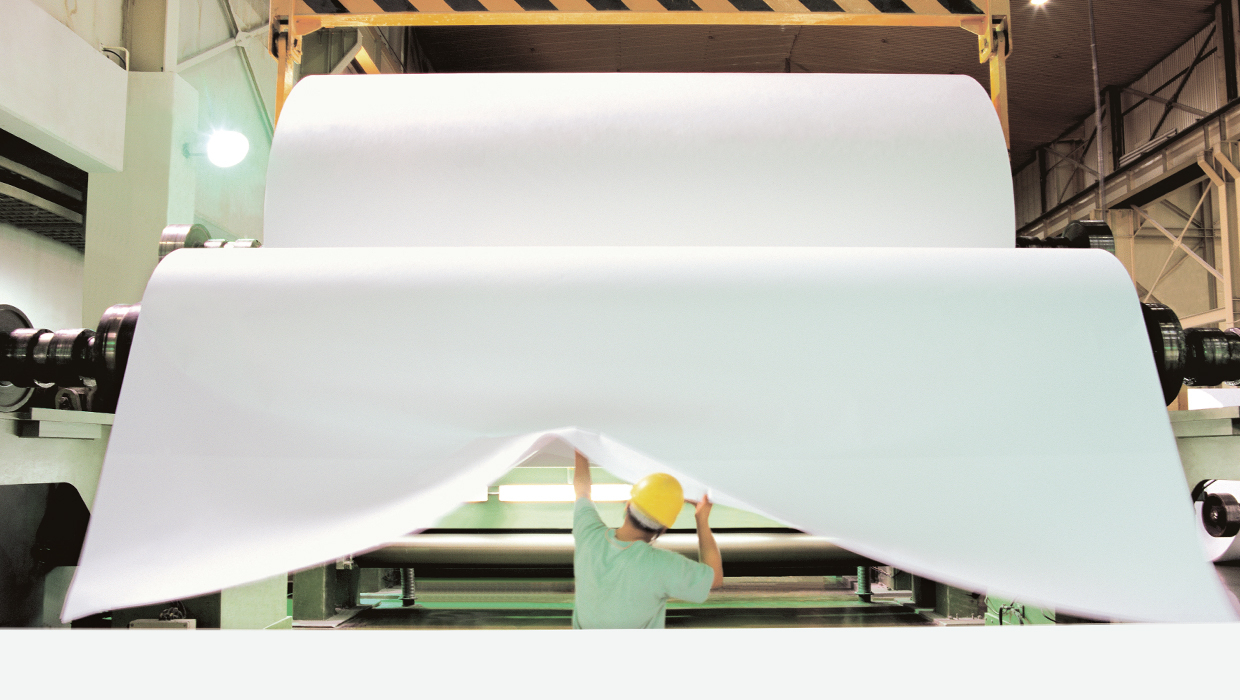
Trucker strike halts pasta production amid widening economic disruption
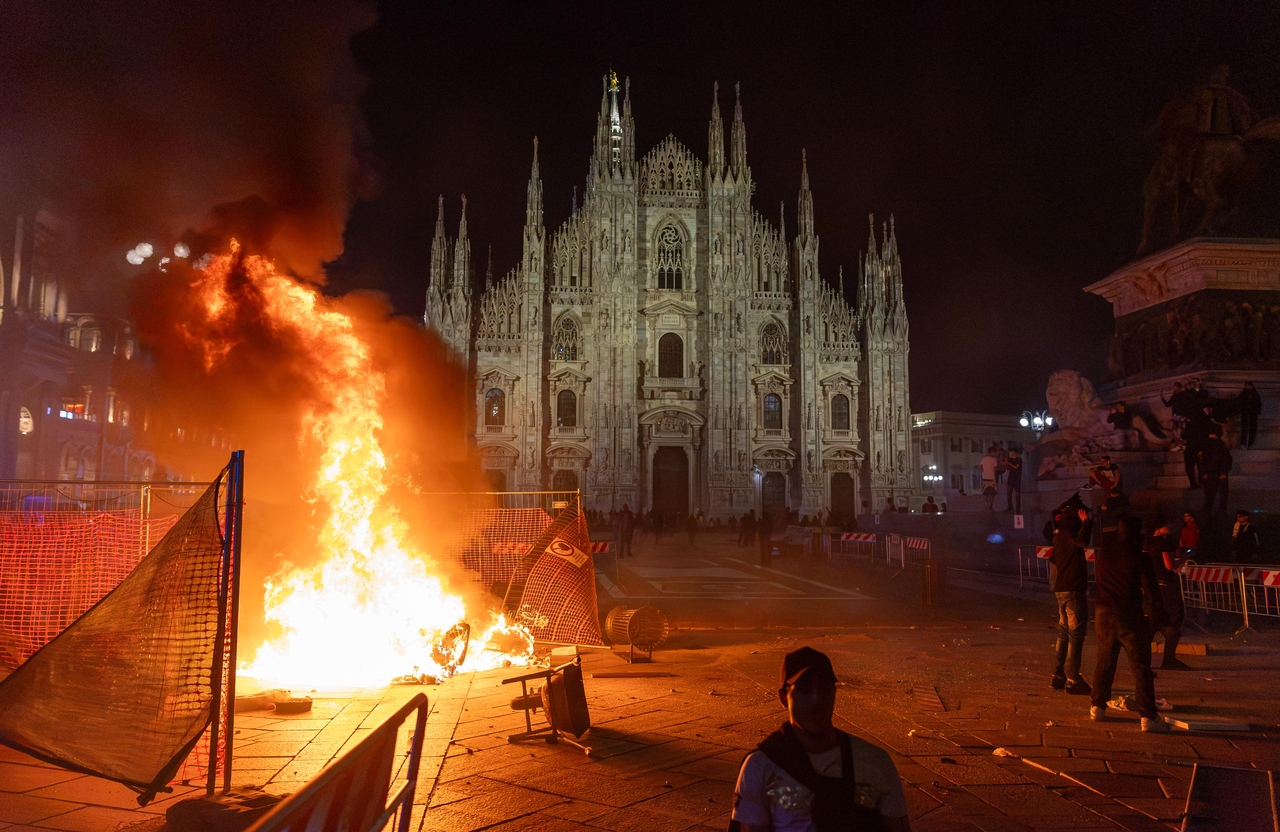
Italy's government has decided to deploy 500 troops to Milan to suppress large-scale violent protests and looting that have gripped the city. With 80 percent of those detained during the unrest found to be minors, authorities are now weighing preventive detention for juveniles and a downtown curfew. As anti-inflation demonstrations spread, a truckers' strike has disrupted supply chains and halted pasta production, deepening the economic toll.
Prime Minister Giorgia Meloni convened an emergency security meeting Tuesday (local time) and decided to station 500 military personnel in Milan, according to the Italian daily Corriere della Sera. The government plans to issue the relevant decree in the near future.
The deployment will expand the existing "Safe Streets" operation, under which troops work alongside police on public-order duties. Corriere della Sera said the immediate reinforcement of military presence in Milan had been in effect finalized.
The government is also considering assigning troops additional roles and responsibilities beyond their current patrol and alert duties. A partial curfew covering certain areas of the city center is also under discussion.
Particularly under review is a proposal to extend the country's preventive detention system — which allows police to hold individuals deemed at risk of committing a crime before any offense occurs — to minors.
The move follows the revelation that 80 percent of those detained during last weekend's violent protests were under 18. More than 200 people were taken into custody in Milan after demonstrations against rising living costs and deteriorating public services turned violent, with protesters looting shops and clashing with police.
Some demonstrators vandalized stores and buildings and fought with officers, putting the city's commercial district on high alert. Shops in central Milan boarded up their display windows and closed early to prevent further damage.
The Italian government views the unrest as more than a street protest, framing it as a threat to national security.
Defense Minister Guido Crosetto said the violent looting amounted to "a kind of hybrid war waged against the state through non-traditional means such as social media."
Separate from the protests, a truckers' strike over rising fuel costs has continued to disrupt logistics networks across the country.
Local pasta maker Rummo halted production Tuesday due to a shortage of raw materials caused by the transport disruptions. The spillover into food manufacturing has raised growing concerns about the supply of everyday essentials.
The unrest in Italy comes as discontent over high prices and declining public services — which first flared in France — continues to spread across major European countries. France also saw large-scale demonstrations escalate into riots last weekend, prompting authorities to impose curfews in major cities and deploy additional police.
sjy@heraldcorp.com