Six petrochemical firms and 37 executives named in indictment
Charges filed on final day before prosecutors office was abolished
Prosecutors have indicted six petrochemical companies and dozens of their executives on charges of running what they describe as the largest price-fixing scheme in South Korean history, worth 16.4 trillion won ($12.3 billion), with the indictment detailing how the alleged conspirators met at restaurants, golf courses, cafes and bars to coordinate pricing.
The indictment — covering LG Chem, Aekyung Chemical, OCI, Lotte Fine Chemical, PKC and Unid, along with 37 executives and employees including former PKC chief Jang Young-su — was obtained Wednesday by The Herald Business through the office of People Power Party lawmaker Kim Jae-seop. The breakdown lists 12 LG Chem employees, 11 from OCI, six from PKC, four from Aekyung Chemical, three from Lotte Fine Chemical and one from Unid.
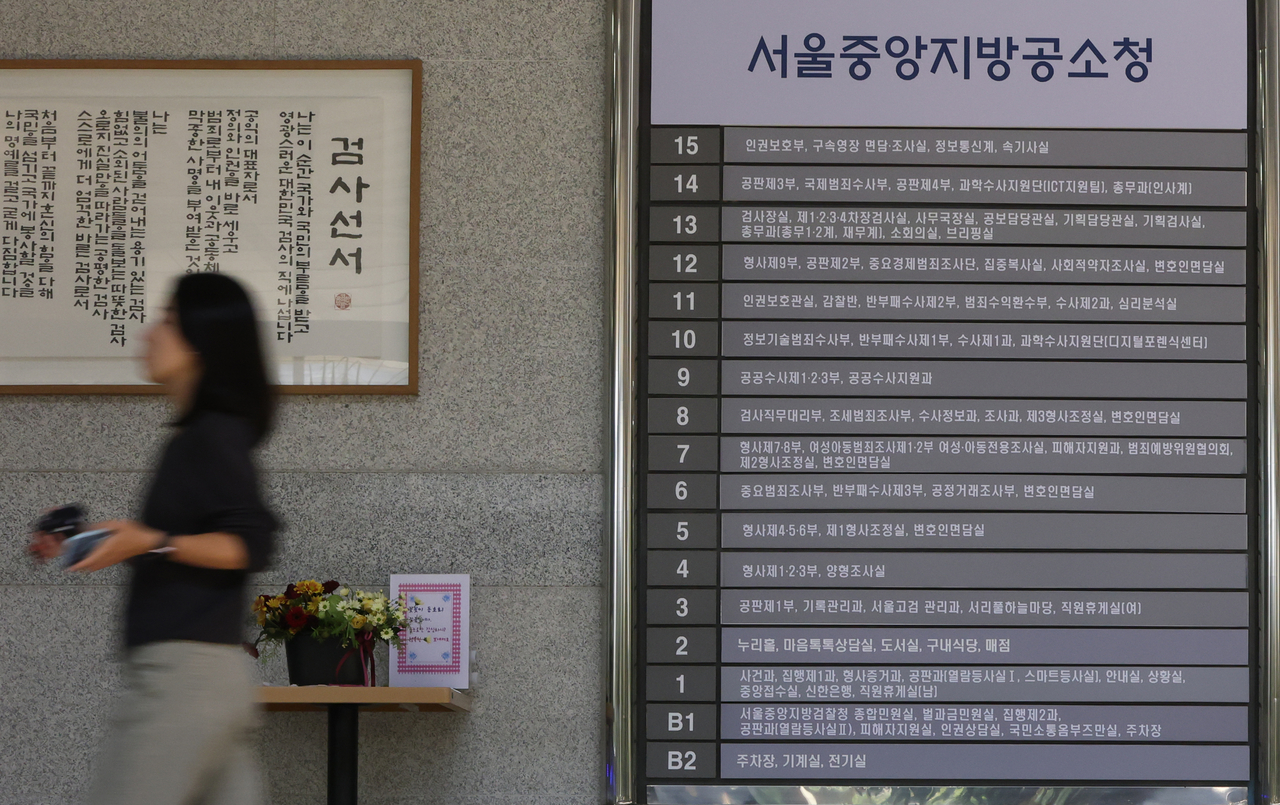
The Fair Trade Investigation Division of the former Seoul Central District Prosecutors Office — now operating as Major Crimes Indictment Division 4 of the Seoul Central District Indictment Office, headed by Na Hee-seok — filed the charges on Oct. 1, the final day before the prosecutors office was formally abolished, alleging violations of the Monopoly Regulation and Fair Trade Act. A sales division head surnamed Bae at PKC and a former LG Chem business division head surnamed Hwang were indicted in custody. Hanwha Solutions, which had also been under investigation, was excluded from the indictment after applying for leniency under the country's self-reporting reduction program.
According to prosecutors, the companies are accused of jointly and unlawfully restricting competition from January 2021 through April 2026 by agreeing on the timing and extent of price changes for eight petrochemical products supplied domestically, as well as coordinating bid prices in customer tenders.
The indictment lists alleged collusion across eight product categories: PVC (polyvinyl chloride), plasticizers, caustic soda, hydrochloric acid, hypochlorite, TDI, ECH (epichlorohydrin) and chlorine. PVC is used as a raw material in pipes, flooring and synthetic leather. Plasticizers are chemical additives used to increase the flexibility of PVC and similar products. Caustic soda is a strongly alkaline inorganic chemical compound. Hydrochloric acid and hypochlorite are both chlorine derivatives.
TDI is a raw material for polyurethane coatings and is used in furniture finishes and waterproof paints. ECH is produced from propylene and chlorine and serves as a key raw material for epoxy resins, which are widely used across industries including semiconductor packaging.
According to the indictment, the head of LG Chem's PVC Sales Team 1 met with a rival company representative around June 2020 at a restaurant near Haengju Fortress in Goyang, Gyeonggi Province, and agreed to stop soliciting each other's customers. The team head reported the agreement to a superior, a business division head, who approved it.
Prosecutors allege that LG Chem and its co-conspirators subsequently met on multiple occasions to agree on PVC price increases — once at a building in Yeouido, three times at golf courses, four times at restaurants in Mapo-gu, once at a cafe in Mapo-gu, once in Seocho-gu, and six times via phone or other remote contact, in addition to the initial meeting near Haengju Fortress.
The indictment also states that representatives of PKC, OCI and Lotte Fine Chemical met at a restaurant in Mapo-gu in October 2021 to agree on the scale of caustic soda price increases, and continued to meet at restaurants in Mapo-gu in April and October 2022, at a restaurant near Gwanghwamun in March 2024, at Mapo-gu restaurants between March and April 2024 and again in August 2024, and at a restaurant in Jung-gu in August 2024.
The indictment further alleges that PKC, OCI and Lotte Fine Chemical colluded on hydrochloric acid prices, beginning with a meeting at a restaurant in Mok-dong, Yangcheon-gu, in May 2021, where representatives agreed on the extent of price increases, and continuing with further meetings at restaurants near Mapo-gu in 2022. Prosecutors also believe the same companies met at restaurants to fix prices for hypochlorite.
Prosecutors allege that OCI and Aekyung Chemical also colluded on plasticizer prices. The indictment states that representatives of the two companies met at a restaurant in Mapo-gu in May 2023 and agreed to avoid competition and refrain from cutting prices, then agreed on the scale of plasticizer price increases from August of that year, and in January the following year coordinated price quotes for a specific customer. Prosecutors believe the companies also met at bars to agree on pricing.
Announcing the investigation results on Oct. 1, Senior Prosecutor Na said the conspiracy had been "systematically and organizationally carried out in line with each company's internal reporting structure, with incoming personnel introduced to counterparts at rival firms to ensure the collusion continued even as staff changed — and some companies even designated dedicated employees to handle meetings with competitors, sustaining the illegal conduct over a prolonged period."
bell@heraldcorp.com