'2026 ITS World Congress' opened Monday
1–5W NPU analyzes traffic footage on-site
Korea Expressway Corporation eyes smart tolling application
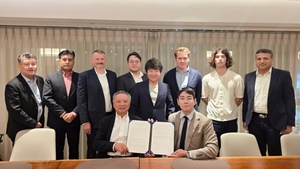
MOU signed with Vietnam's Sotatech for AI development and mass production
South Korean AI semiconductor firm DeepX announced Thursday it is pushing into the global intelligent transportation systems (ITS) market, led by ultra-low-power semiconductors that bring real-time AI analysis to traffic cameras and road infrastructure.
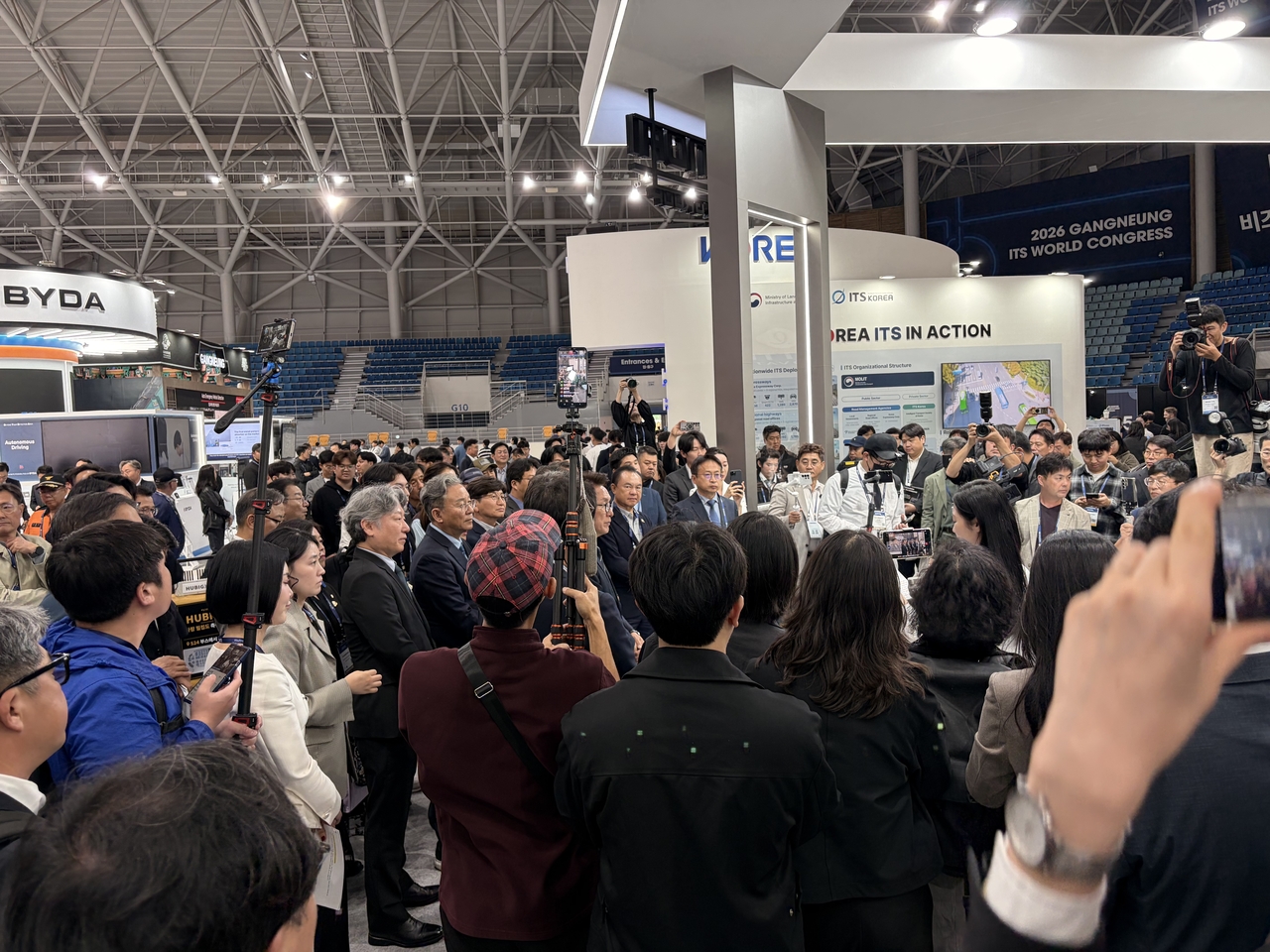
DeepX is participating in the 2026 ITS World Congress in Gangneung, Gangwon Province, where it is presenting its NPU-based traffic video analysis technology and domestic transportation and mobility use cases. The event opened Monday and runs through Friday.
The company is showcasing technology that transforms conventional traffic CCTV cameras from passive recording devices into intelligent traffic infrastructure capable of real-time hazard analysis. The approach embeds NPUs directly in cameras and roadside equipment to analyze vehicles, pedestrians and unexpected incidents on-site, feeding results into warning systems.
Expanding AI across roads, intersections and tunnels requires attention not only to computing performance but also to power consumption, heat generation, communication costs and processing latency. DeepX's ultra-low-power NPU performs AI inference at 1 to 5 watts and is designed to analyze footage locally, reducing the data and communication burden of transmitting video to central servers.
At the congress, DeepX demonstrated traffic volume analysis and vehicle classification at smart intersections, pedestrian danger detection in school zones, and highway incident, congestion and wrong-way driving detection. The company also presented a range of solutions spanning compact NPUs for on-site cameras, roadside edge AI devices and multi-channel video analysis servers for traffic control centers.
Domestically, DeepX is advancing technology deployment and commercialization projects with transportation and mobility companies. For a smart tolling system slated for use by the Korea Expressway Corporation, the company is pursuing NPU integration for automatic toll collection technology that simultaneously reads license plates across multiple lanes of moving traffic.
In a railway safety AI project with Korail, DeepX is evaluating an AI edge box equipped with its NPU for pantograph inspection and train and worker detection. The company is also in talks with a major domestic automaker on applying passenger density analysis and safety solutions using interior cameras on commercial buses.
With a leading domestic mobility firm, DeepX is also pursuing a shift from GPU-based license plate recognition and parking surveillance systems to NPU-based alternatives, aiming to maintain video analysis performance while lowering total cost of ownership.
DeepX has also broadened its partnerships at home and abroad. It signed an MOU with domestic radar specialist Baida to jointly develop and mass-produce an AI solution platform for surrounding environment recognition and object detection in autonomous driving robots and vehicles. The company also signed an AI solution development and mass production MOU with Vietnamese IT firm Sotatech, and held talks with Vietnam's deputy minister of construction on applying AI semiconductors to local transportation infrastructure.
"As intelligent transportation systems grow more sophisticated, the ability to analyze and act on the vast amounts of data generated on-site in real time will become increasingly critical," said Kang Sang-gyun, DeepX's senior vice president of domestic sales. "Building on our experience deploying technology in the transportation and mobility sector with major domestic partners, we will continue to expand the commercialization of ultra-low-power AI semiconductors in the global ITS market."
jeongwan@heraldcorp.com