All Incheon lawmakers co-sponsor bill; Jeomulpo Campus site to minimize state funding burden

A bill has been introduced to establish a public medical graduate school at Incheon National University, seeking to address the city's serious healthcare deficiencies and secure a stable supply of public medical workers.
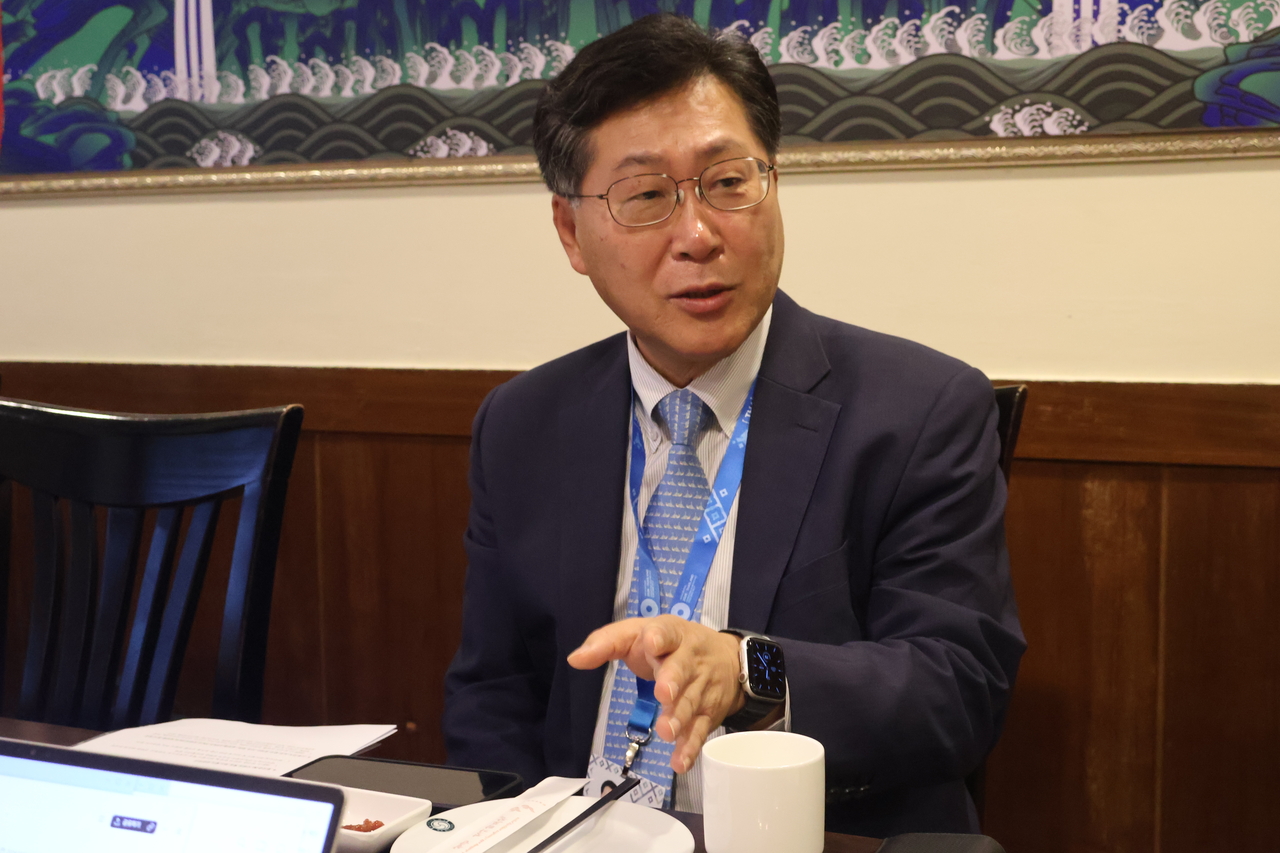
Rep. Kim Kyo-heung of the Democratic Party of Korea, who represents Incheon's Seo-gu A district and sits on the National Assembly's Health and Welfare Committee, announced Thursday that he had introduced the bill as the lead sponsor. The legislation would amend the Act on Public Health and Medical Services to create a public medical graduate school at Incheon National University.
The bill's key provisions include establishing a legal basis for national university corporations to set up public medical graduate schools, designating regional medical centers as teaching and training hospitals, and providing tuition support for enrolled students along with a mandatory 15-year regional service requirement.
The push comes in response to Incheon's weak healthcare infrastructure.
Despite being a metropolitan city of 3 million people, Incheon recorded 46.18 preventable deaths per 100,000 people in 2024 — the highest figure among the country's eight major metropolitan cities for five consecutive years since 2020.
The city also has just 2.8 doctors per 1,000 residents, below the national average, and residents of outlying islands and border areas have long faced persistent difficulties accessing medical care.
"Incheon has been left out of the government's essential healthcare policies simply because it has private university medical schools and university hospitals," Kim said, explaining the rationale behind the bill. "Six regional doctors allocated to the city are nowhere near enough to fill the public healthcare gap."
If passed, the bill would allow Incheon National University to train public physicians through the graduate school, specializing not only in infectious disease response but also in aviation and maritime disaster management and the biotech sector — areas that reflect Incheon's regional characteristics.
Incheon Medical Center would handle clinical training, with the aim of building a self-contained essential healthcare system within the region.
A plan for securing the site and funding has also been outlined. The university's former Jeomulpo Campus, covering about 214,500 square meters, along with industry-academia cooperation grants from Incheon city, would be used to build the school while minimizing the burden on the national budget.
"Ruling and opposition parties have united to fulfill the long-held wish of 3 million Incheon residents," Kim said. "We will continue coordinating with the Ministry of Health and Welfare, the Ministry of Education and other relevant agencies to secure medical school enrollment quotas without delay."
Meanwhile, Kim plans to hold a policy forum at the National Assembly on Nov. 16 to discuss strengthening public healthcare in Incheon and establishing the public medical graduate school at Incheon National University.
gilbert@heraldcorp.com