Cheon Ha-ram: North's response is 'sufficient circumstantial evidence' it planted mines across MDL
UNC used routine communication check to notify North of armistice violation
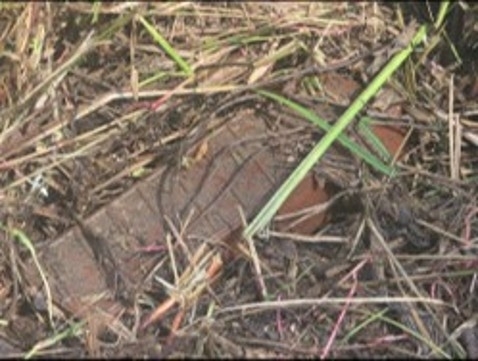
North Korea unusually accepted a call from the United Nations Command on the day a landmine exploded in the western demilitarized zone on Sept. 21, it has been confirmed. Analysts say Pyongyang — which normally refuses UNC contact outside designated communication-check windows — picking up the phone that day is circumstantial evidence that it planted mines across the military demarcation line.
According to the office of Reform Party floor leader Cheon Ha-ram, the so-called "pink phone" — a direct hotline between the UNC and the Korean People's Army — was activated at a critical moment on the day of the blast, when South Korean forces were urgently seeking UNC approval to enter the DMZ. The military and the Ministry of Unification have both lost their separate communication channels with the North, and the pink phone is understood to be answered by the North only during two scheduled daily communication checks.
On the day of the explosion, however, the UNC placed an urgent call to the North outside those scheduled hours to coordinate helicopter access to the DMZ for casualty evacuation — and the North answered immediately. That response is widely interpreted as a strong indication that Pyongyang was already aware of the incident.
"The fact that North Korea, which normally does not answer calls outside the scheduled check times, picked up the phone on this occasion appears to be sufficient circumstantial evidence that it was on edge over the explosion of mines it had planted across the MDL," Cheon said.
Cheon went on to say that Pyongyang has since been monitoring the joint field investigation by the UNC and South Korean forces, and that finding it difficult to deny responsibility, it has adopted a brazen, blame-shifting posture. "There are also clear signs of an intent to drag this into a political dispute through inflammatory statements and warnings," he added.
The UNC also used a scheduled communication check after the blast to formally notify North Korea that the incident constituted a violation of the armistice agreement. The North is said to have listened in silence as a UNC official read out a statement over the pink phone, then quietly hung up.
Just before delivering that notification, the UNC had stated in a public release in late September that investigators had found one North Korean antipersonnel mine on the South Korean side of the MDL during the field investigation, and that it had determined this to be a violation of the armistice agreement.
Meanwhile, UNC Deputy Commander Lt. Gen. Scott Winter of the Australian Army, in a podcast interview with the Royal United Services Institute released Thursday, said the mine explosion "demonstrates that whatever activity we conduct in the DMZ requires careful and thorough planning and commitment," adding that "it is important that we communicate with the Korean People's Army through the communication lines we have kept open."
youknow@heraldcorp.com