Product delivery pushed to January; no walk-in purchases allowed at launch
Korea's 30,000-unit allocation falls short of two days' worth of activations across three carriers
Sellout driven by supply shortage, not demand surge, critics say
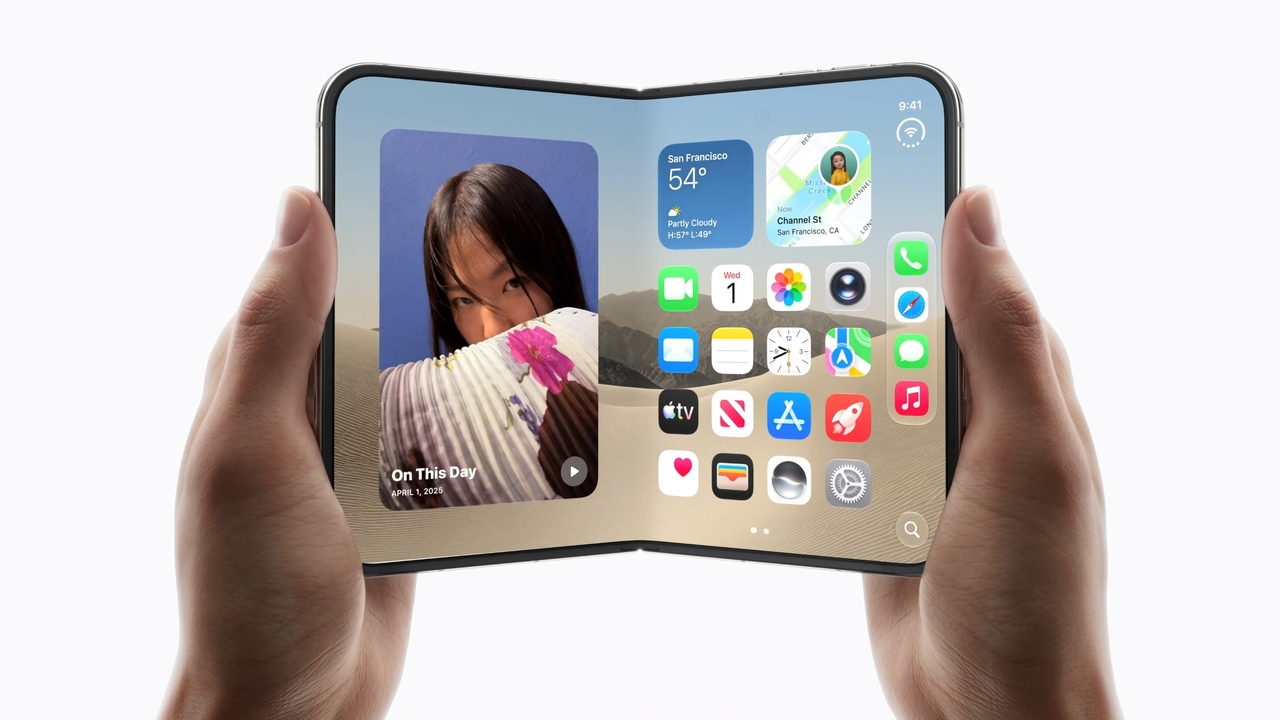
Apple's first foldable phone, the iPhone Duo, is set to launch in South Korea with an initial allocation of only about 30,000 units.
The device has triggered an unusual sellout frenzy even before its official release, with delivery dates already pushed to January during the pre-order phase. Critics say the shortage stems not from explosive demand but from a woefully inadequate supply. Carriers struggling to secure stock are growing increasingly frustrated, and with severe shortages expected to persist after the official Friday launch, concerns are mounting that consumers will face widespread confusion.
According to the telecommunications industry Wednesday, the initial supply of iPhone Duo units allocated to South Korea stands at around 30,000.
That figure falls short of even two days' worth of activations: South Korea's three major carriers collectively process about 20,000 smartphone activations per day on average.
The pre-order sellout is also attributed to the same supply crunch. When pre-orders opened at 9 p.m. last Friday, delivery estimates slipped to January within just 30 minutes — three months after this Friday's official launch.
Walk-in purchases will not be available even after the official launch. According to Bloomberg and MacRumors, Apple Stores in South Korea and Japan plan to bar on-the-spot purchases on launch day. Customers will only be able to buy the device by placing an online order for delivery or by reserving online and picking up in store.
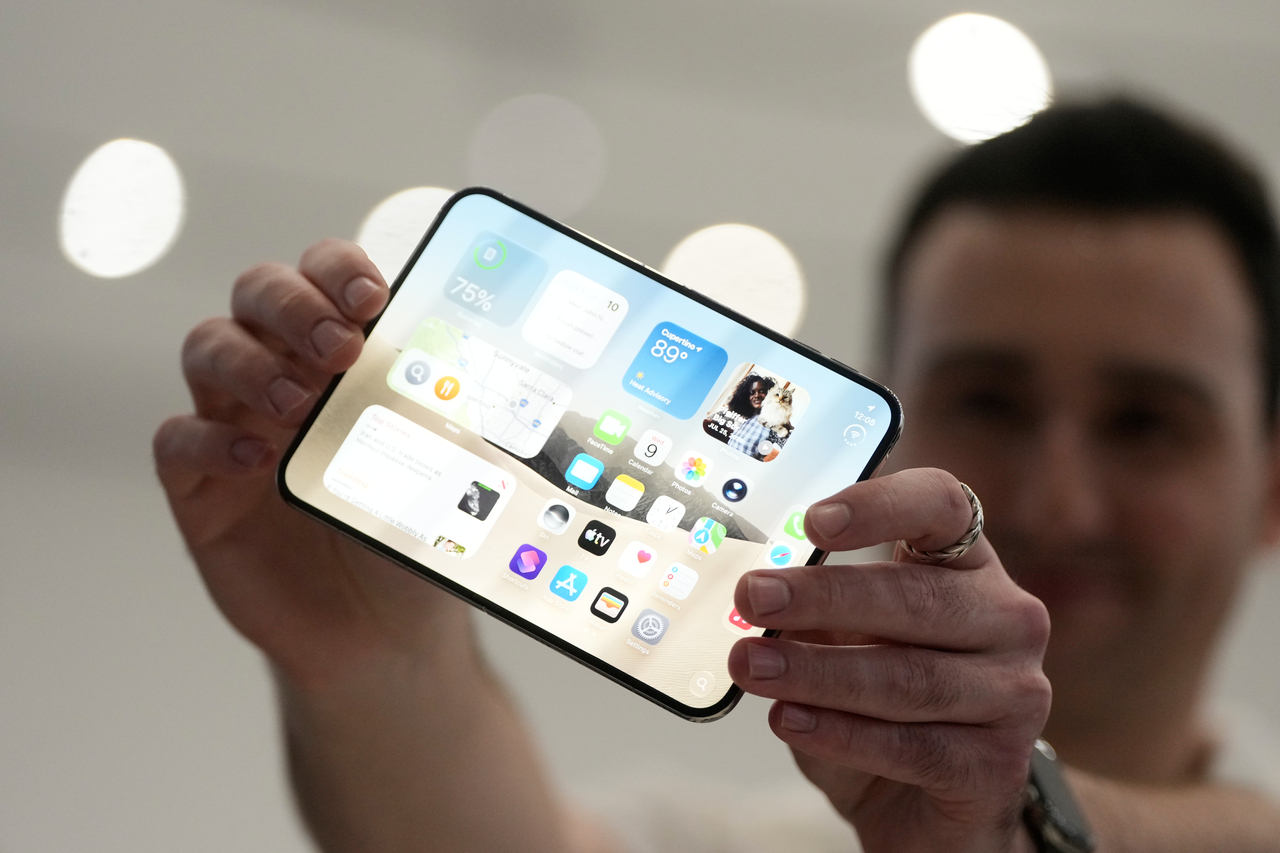
The razor-thin supply has sparked frustration across the telecommunications industry. Carriers had prepared large-scale promotions to attract customers for Apple's first foldable — a device that generated considerable consumer interest — but those plans have stalled as stock has proven impossible to secure.
The operational burden on carriers is also growing. Staff must keep waiting customers updated on inventory status and expected arrival dates, and carriers will be left to absorb complaints over delayed deliveries, raising fears of mounting chaos at retail outlets.
The iPhone Duo sellout appears to reflect a supply shortage rather than genuine market enthusiasm, a dynamic that could become a variable in the foldable phone competition between Samsung and Apple.
Market research firm Counterpoint Research projected that the iPhone Duo would ship about 6 million units in its first year, capturing roughly 25 percent of the global foldable market.
With supply disruptions dragging on and delivery dates pushed into next year, there are growing questions about whether actual shipments this year will meet market expectations. The problem is not limited to South Korea: customers in the United States are also facing waits of roughly 50 days to receive the device through carriers, reflecting similar conditions across major global markets.
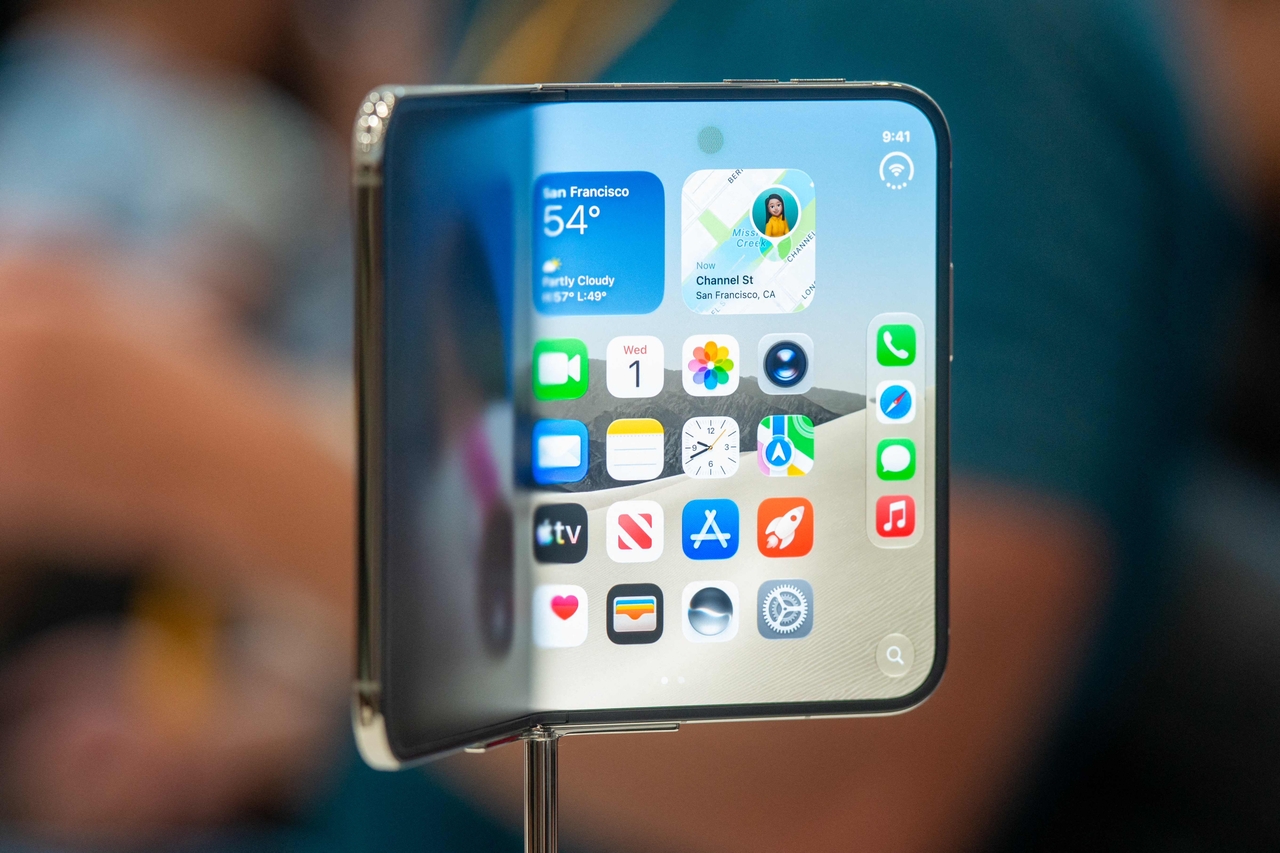
Some analysts see Apple's supply gap as a potential windfall for Samsung. With consumer interest in foldable phones rising on the back of the iPhone Duo's launch, demand that Apple cannot meet may migrate to Samsung's Galaxy Fold lineup. Samsung's Galaxy Fold has already seen a surge in online searches since the iPhone Duo was unveiled — Google searches related to Samsung foldables in the United Kingdom jumped 300 percent over the past month.
Meanwhile, the iPhone Duo starts at 3.29 million won ($2,470). The device weighs 254 grams and measures 5.2 millimeters thick when unfolded and 11.3 millimeters when folded, with a 7.6-inch main display and a 5.4-inch cover display. Pre-orders opened last Friday, with the official launch set for this Friday.
sjpark@heraldcorp.com