Court handling the 'Sogang Bridge retreat' case flags timing of insurrection awareness
Courts scrutinize charges across multiple cases brought by the comprehensive special prosecutor
Hong Jang-won ruling seen as key test of the probe's credibility
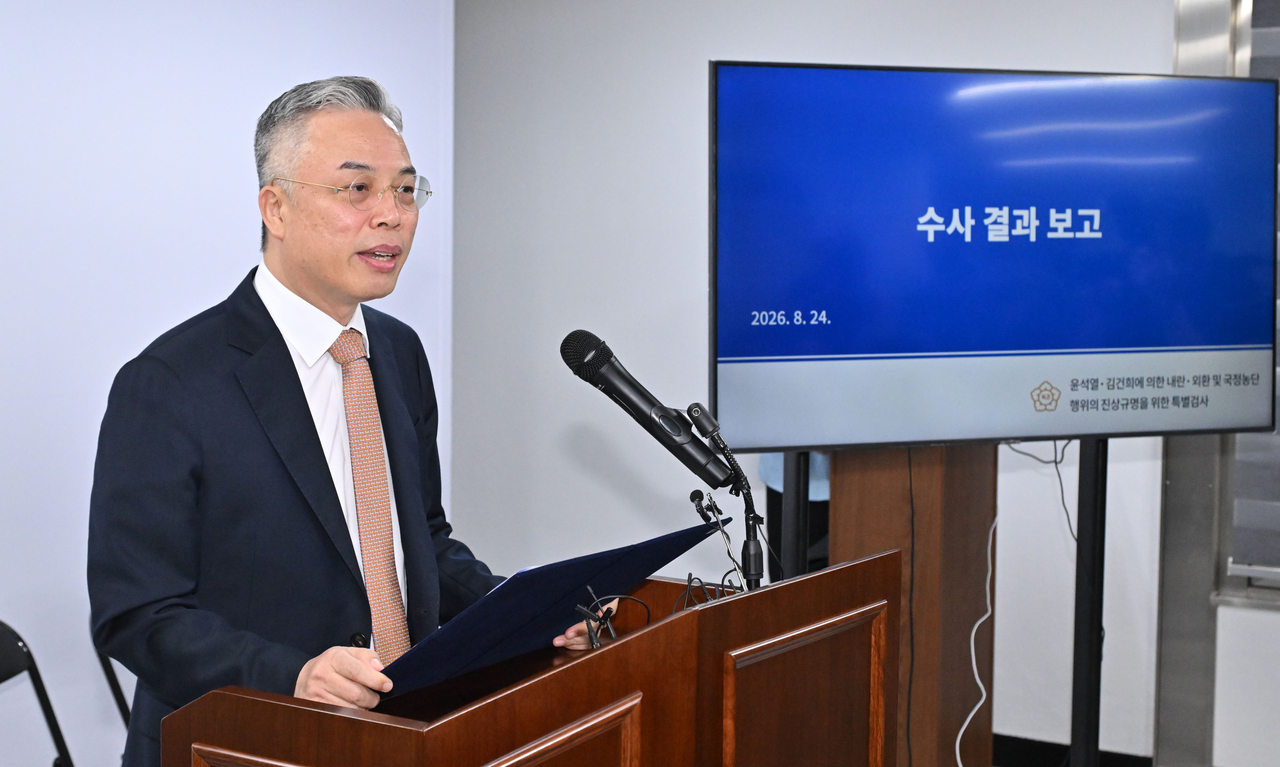
"There is a lot of talk going around, but please wait at least until the first-instance verdict comes out."
Those were the words of Kwon Chang-young, special prosecutor of the second comprehensive special prosecutor's office, at a briefing on Aug. 24 announcing the final results of his investigation. Launched in February and extended twice to run for a maximum of six months, the comprehensive special prosecutor's office reversed key decisions made by the earlier insurrection special prosecutor's office led by Special Prosecutor Cho Eun-seok, and drew criticism near the end of its mandate for filing a wave of indictments that many observers called overreach. Kwon's remarks at the final briefing were a plea for restraint — a request that critics hold off on hasty judgments.
Since first-instance trials in cases brought by the comprehensive special prosecutor's office got underway in earnest, however, courts handling those cases have repeatedly raised concerns about the charges. The pushback is not confined to a single case — nearly every bench presiding over a comprehensive special prosecutor indictment has voiced some form of criticism. No first-instance verdict has been handed down yet, but questions are already being raised about whether the office's work deserves a failing grade.
According to legal sources, at the first pretrial hearing on Oct. 13 before Seoul Central District Court's Criminal Division 35 — presided over by Chief Judge Baek Dae-hyeon — in the case against People Power Party lawmakers Na Kyung-won, Kim Gi-hyeon, Yoon Sang-hyeon and Kwon Young-jin on charges of obstructing special official duties, the court said the indictment contained "serious defects."
The comprehensive special prosecutor's office indicted the lawmakers without detention, alleging that last January, as the Corruption Investigation Office for High-ranking Officials moved to execute an arrest warrant against then-President Yoon Suk Yeol — who had triggered the Dec. 3 emergency martial law crisis — Na and the other lawmakers formed a human wall with supporters and used collective force to obstruct the execution. The insurrection special prosecutor's office had previously investigated the same case but closed it without charges.
The court said the indictment was unclear about whether the defendants had assaulted or threatened public officials, and whether each offense was committed individually or jointly.
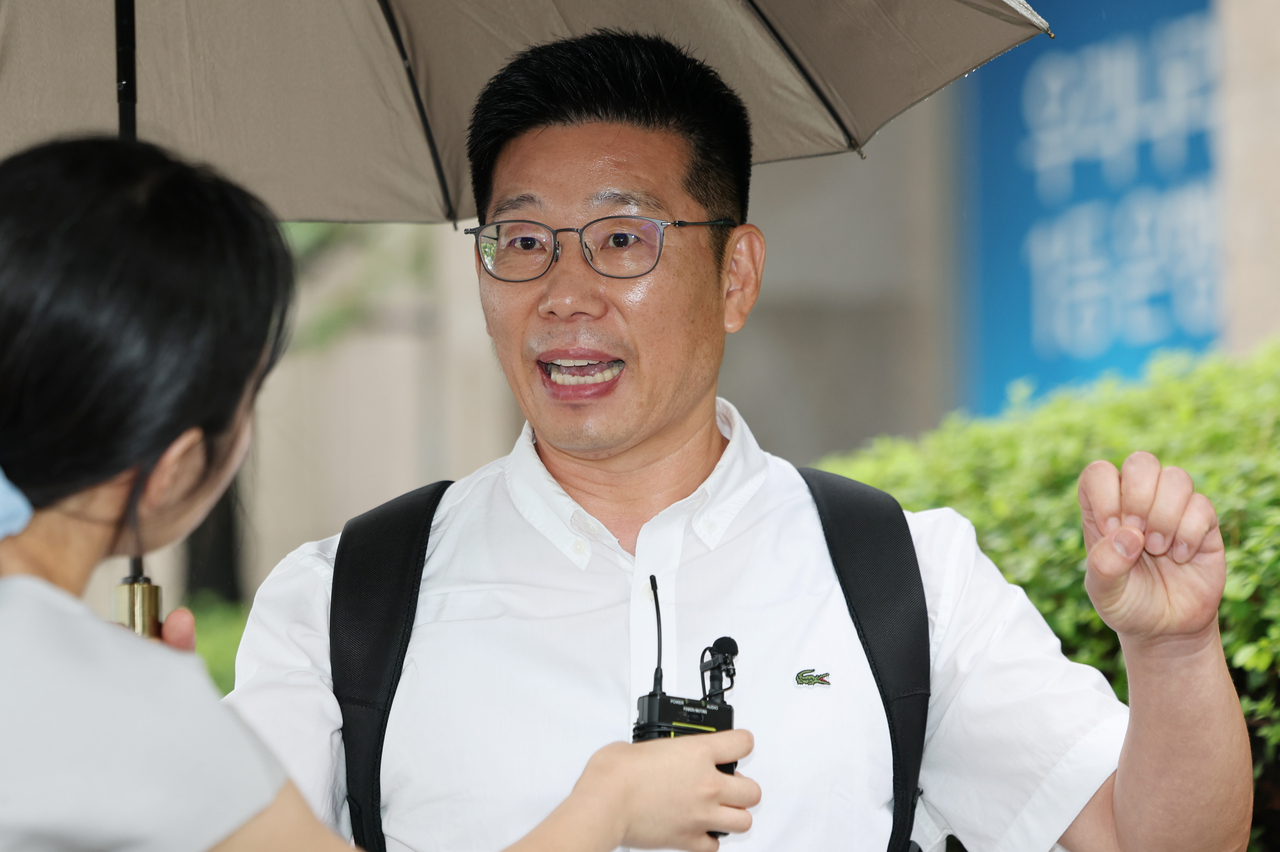
The court handling the case of Cho Sung-hyun, the former Capital Defense Command 1st Security Brigade commander known for the so-called "Sogang Bridge retreat" and a recipient of the Order of National Security Merit Samil Medal, also raised concerns about the charges. Colonel Cho had been cleared without charges by the insurrection special prosecutor's office but was indicted by the comprehensive special prosecutor's office on charges of participating in key insurrection duties. Seoul Central District Court's Criminal Division 38-1, presided over by Chief Judges Jang Seong-jin, Jeong Su-yeong and Choi Yeong-gak, said the indictment must specify the point at which Cho became aware of the intent to undermine the constitutional order.
The court handling the abuse-of-authority case against former presidential chief of staff Kim Dae-gi and others — indicted over allegations of preferential treatment in relocating the presidential residence — also raised concerns about the charges. That case was the comprehensive special prosecutor's office's first indictment. At the first pretrial hearing in July for Kim and three co-defendants, Seoul Central District Court's Criminal Division 36, presided over by Chief Judge Lee Jeong-yeop, said the indictment needed to specify who exercised what authority and who the target of the alleged abuse was.
Even as Kwon asked observers to wait for first-instance verdicts, some cases are already drawing assessments that a guilty finding will be difficult to secure — particularly as courts across the board have begun questioning the charges themselves. The case of former Prosecutor General Shim Woo-hyun, indicted on charges of ordering a review of dispatching prosecutors to the martial law command's joint investigation headquarters, is the clearest example.
On Wednesday, Seoul High Court's Criminal Division 1, presided over by Chief Judge Yoon Seong-sik, overturned a first-instance sentence of 25 years in prison against former Justice Minister Park Seong-jae — indicted on charges of participating in key insurrection duties — and handed down a nine-year sentence on appeal. The appellate court acquitted Park on the charges of ordering the dispatch of prosecutors to the joint investigation headquarters and ordering a review of detention cell conditions at Seoul Detention Center, while upholding the guilty finding on the charge of ordering a review of detention capacity at correctional facilities in the greater Seoul area.
With the court dedicated to insurrection cases ruling that "a directive given only at a general, principled level is difficult to view as contributing to the purpose of insurrection" in connection with the charge against Park over the prosecutor dispatch order, observers say proving the guilt of Shim, who was prosecutor general at the time, will be no easy task.
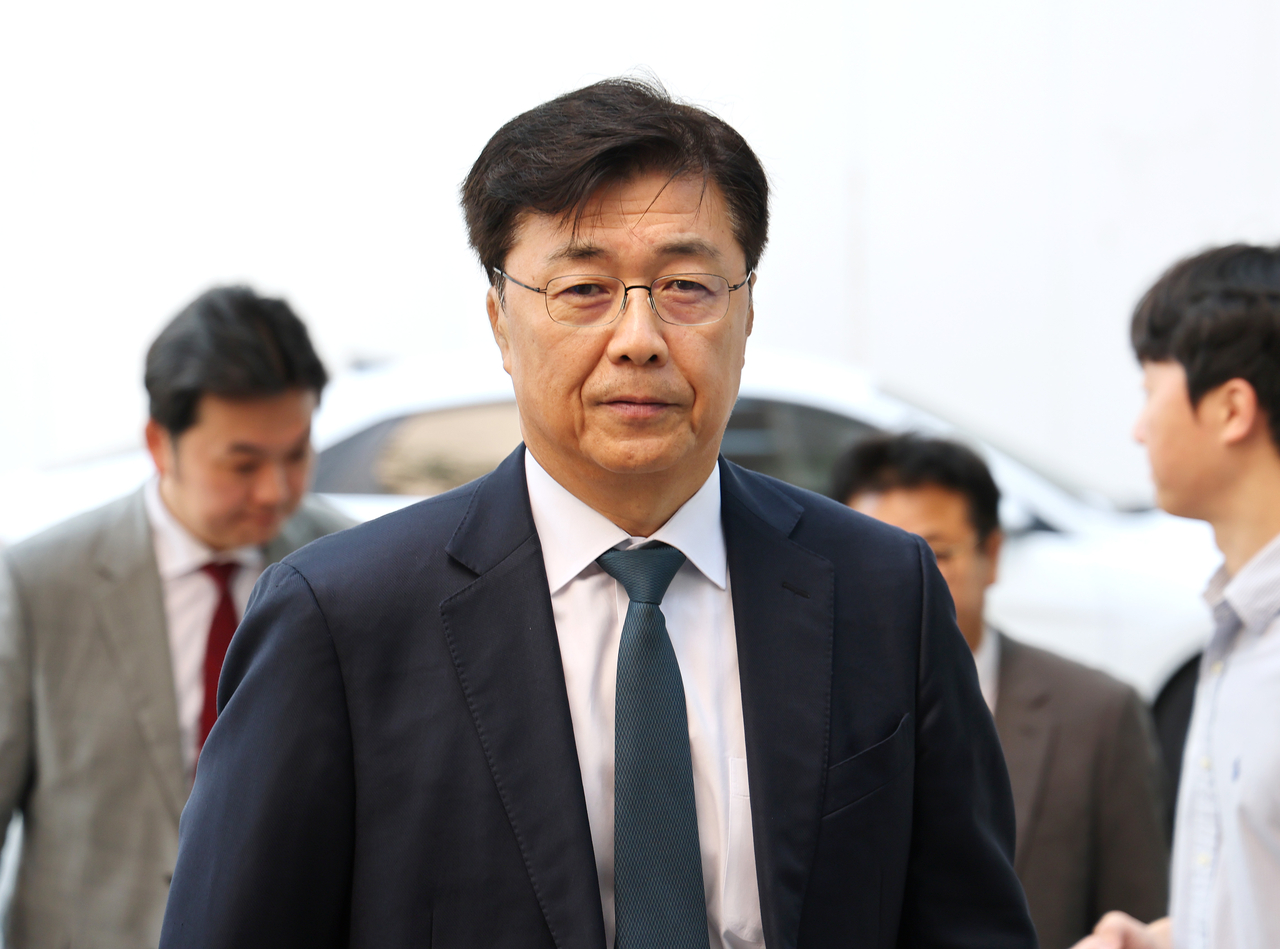
Against this backdrop, the court's ruling in the case of Hong Jang-won, former first deputy director of the National Intelligence Service, is expected to serve as a key indicator of the comprehensive special prosecutor's overall record. Hong is the figure who said he received a phone call from then-President Yoon Suk Yeol during the martial law crisis telling him to "round them all up." He also disclosed what he said was a list of politicians to be arrested — including President Lee Jae Myung — which he said he had heard about from former Defense Counterintelligence Command chief Yeo In-hyeong.
The comprehensive special prosecutor's office sent Hong to trial on charges of receiving orders to carry out martial law duties from former President Yoon and former NIS Director Jo Tae-yong, and of sequentially passing those orders to subordinate department heads through a meeting of division chiefs. Hong's position is that if he had intended to carry out the orders and relayed them at the division chiefs' meeting, there would be no explanation for why Yoon immediately dismissed him — unlike other political appointees.
The court's ruling on Hong is widely expected to become the central benchmark for the comprehensive special prosecutor's report card. The first pretrial hearing in Hong's case on charges of participating in key insurrection duties is scheduled for Thursday at 2 p.m. before Seoul Central District Court's Criminal Division 38-2, presided over by Chief Judges Jeong Su-yeong, Choi Yeong-gak and Jang Seong-jin.
bell@heraldcorp.com