Astronomical political donations to Republicans
$276M committed since July alone
SpaceX federal contracts reach $6.78B this year
Democratic Congress could trigger probes into his businesses
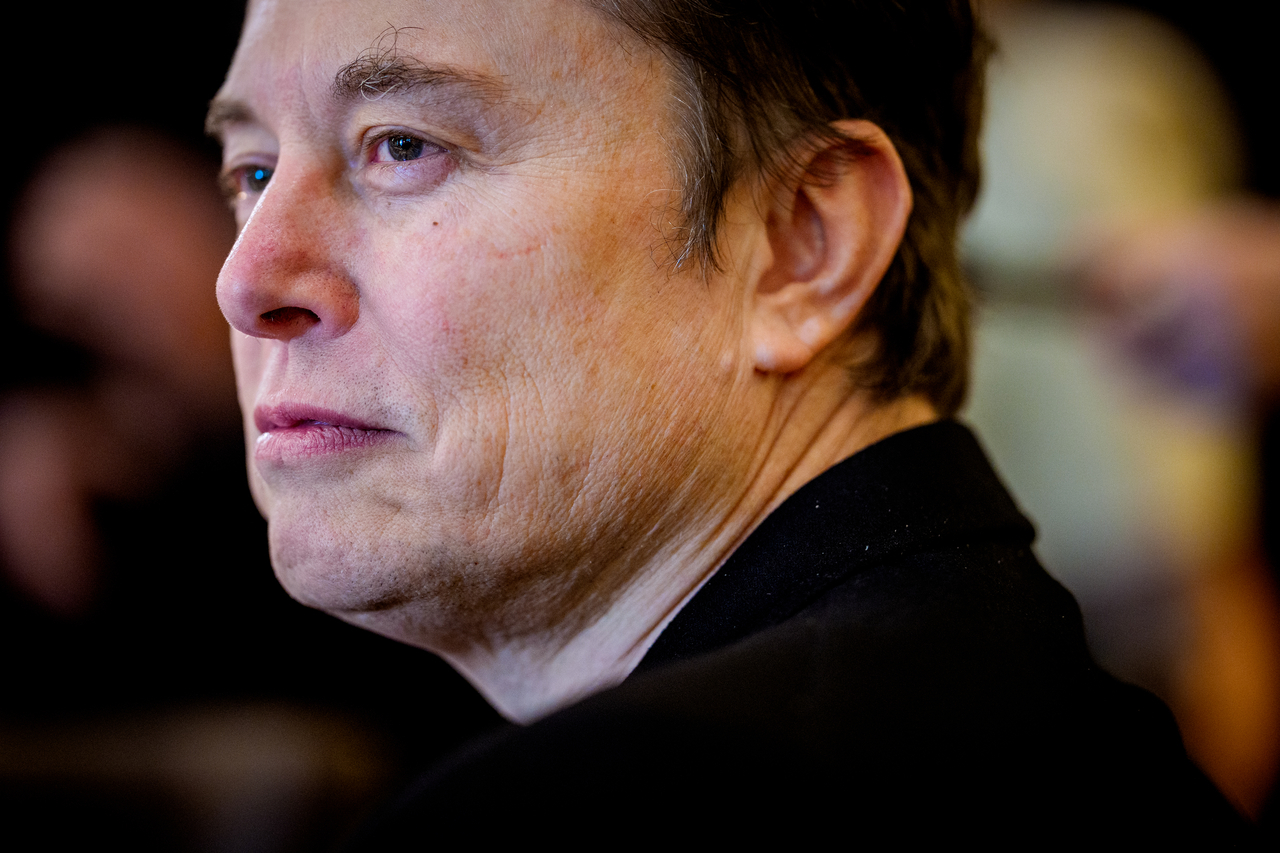
Elon Musk, the world's wealthiest person and Tesla CEO, is pouring at least $366 million into the 2026 US midterm elections — backing Republicans across dozens of races after a period in which he appeared to be stepping back from politics following a public falling-out with President Donald Trump. Analysts say the generosity goes beyond political conviction: Musk's companies, Tesla and SpaceX, are deeply exposed to federal policy and regulation, giving him a powerful financial incentive to shape the outcome.
According to CNBC, Musk has committed roughly $366 million to at least 40 races ahead of the midterms, making him the single largest individual donor in this election cycle based on publicly available campaign finance records.
Since July alone, he has directed at least $276 million to Republican-aligned groups and his own political action committee, America PAC — a concentrated burst of spending with the Nov. 3 midterms roughly 10 days away.
Musk spent about $290 million to help Trump win the 2024 presidential election. His midterm spending has already surpassed that figure.
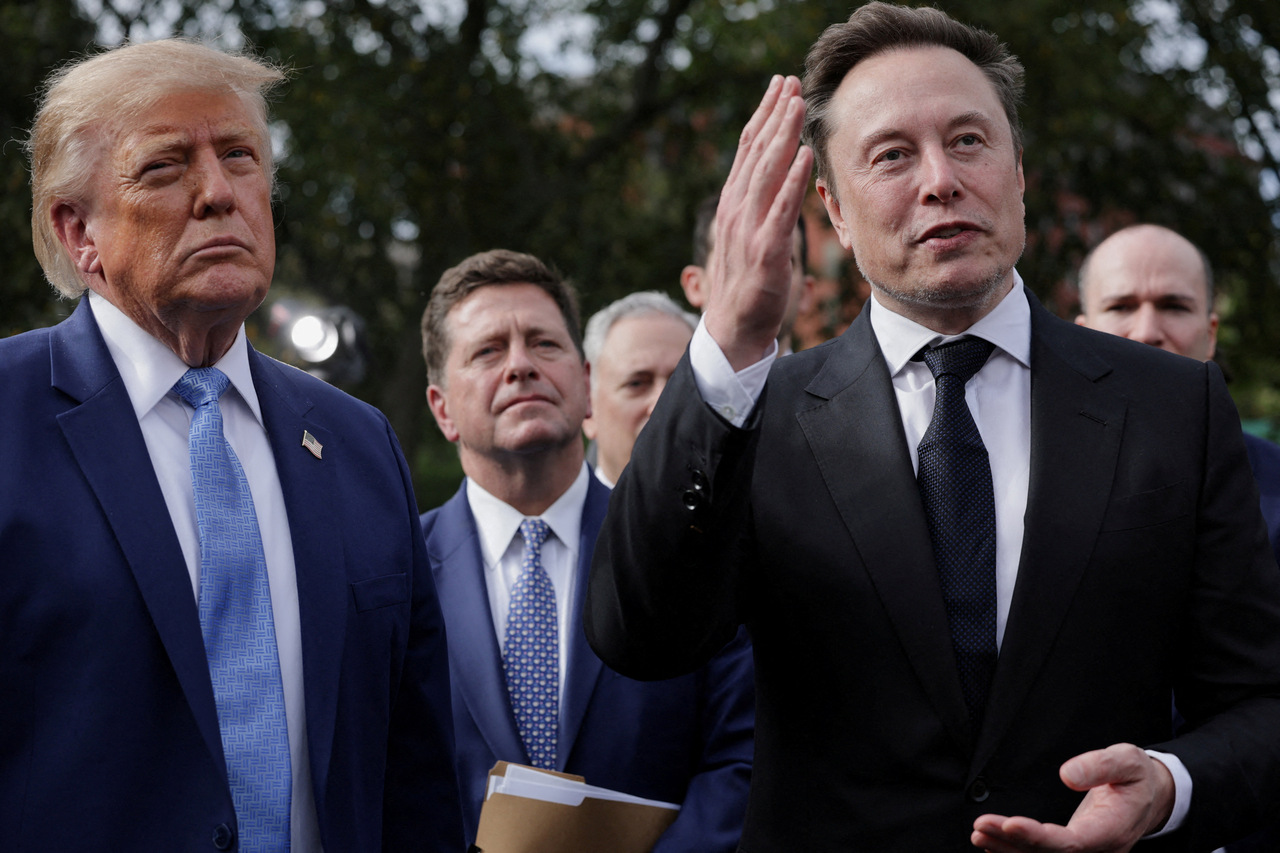
What makes his return to big-money politics notable is that Musk spent much of last year distancing himself from Trump after the two clashed publicly. As head of the Department of Government Efficiency under the Trump administration, Musk feuded with the president over fiscal policy and at one point floated the idea of launching a new political party.
With the relationship repaired, Musk has re-engaged — though this time he appears to be focusing on funding and organizing rather than making the kind of personal campaign trail appearances he made during the 2024 presidential race.
One of the biggest concentrations of his money is Texas, home to Tesla's headquarters and key SpaceX launch facilities.
In Texas, Republican Ken Paxton and Democrat James Talarico are competing for a US Senate seat. A significant portion of the funds Musk has contributed to help Republicans maintain their Senate majority is being directed toward Paxton's campaign.
Last month, Musk donated $158 million in two installments to the Senate Leadership Fund, a Republican super PAC, which then transferred an equivalent amount to political groups supporting the Texas race. He separately donated $10 million to another organization backing Paxton.
In total, Musk's financial support for the Texas Senate race is estimated at around $190 million — an extraordinary concentration of resources behind a single candidate.
His spending extends well beyond Texas. An analysis of Federal Election Commission data by CNBC found that America PAC had spent roughly $22.7 million across six other key battleground states through Tuesday. Ohio received about $8.9 million, Michigan about $7.2 million and Maine about $2 million.
So why is Musk spending so much on politics?
CNBC pointed to the deepening entanglement between Musk's business empire and the federal government.
SpaceX is the clearest example. The rocket company has secured $6.78 billion in federal contracts this year, according to FedScout, a firm that tracks government contracting — nearly double SpaceX's total for all of 2024.
SpaceX works not only on NASA space exploration programs but also on military satellite launches and space security projects for the US Department of Defense. Its cumulative federal contracts since 2008 total $30.7 billion.
The vulnerability is straightforward: these businesses are subject to direct influence from federal budget decisions and regulatory policy.
SpaceX needs Federal Aviation Administration approval to launch rockets. Its Starlink satellite internet service depends on spectrum licenses and satellite operating permits managed by the Federal Communications Commission.
Tesla is similarly exposed to Washington's decisions on electric vehicle subsidies, autonomous driving regulations, battery support policies and trade policy toward Chinese automakers.
The AI sector, where Musk has been aggressively expanding, is no different. Data center power supply, AI regulation and federal technology procurement policy all shape the business environment.
Musk's AI ventures already have a foothold in government contracting. His AI division secured a contract worth up to $200 million from the US Department of Defense last year, and his chatbot Grok has been made available to federal agencies through a separate procurement agreement.
Analysts say keeping Republicans in control of Congress would benefit the regulatory environment for Musk's businesses.
Conversely, a Democratic majority in either chamber could intensify congressional scrutiny of Musk's companies, their government contracts and the activities of the Department of Government Efficiency.
Bruce Freed, co-founder of the Center for Political Accountability, told CNBC that Musk's spending is driven by a desire for influence over Congress and the executive branch, favorable conditions on regulation and contracts, and protection from oversight.
"Musk's spending is in effect unprecedented for what one individual has spent in such a short period of time in recent elections," Freed said. That assessment comes from a campaign finance watchdog, and there is no confirmed evidence that Musk has explicitly sought specific regulatory relief or contractual benefits in exchange for his donations.
Musk did not respond to CNBC's request for comment. He has, however, publicly pushed back against the prospect of being investigated should Democrats take control of Congress.
On Wednesday, he posted on his social media platform X, invoking the idea that those who live by the sword die by the sword, sharply criticizing what he described as efforts to target him with investigations.
Musk's political spending is also reigniting a broader debate about the influence of mega-donors in American elections.
Musk's camp maintains that his support for Republicans is about defending the political values he believes in. Democrats and campaign finance watchdogs, however, are raising alarms over a billionaire with vast corporate interests pouring enormous sums into electoral politics.
sjy@heraldcorp.com