50,262 units sold since Nexo launch in 2018
Ripple effects seen in parts industry, job creation
Budget cut 23% amid local government funding gaps

Hyundai Motor's cumulative domestic sales of hydrogen fuel cell vehicles surpassed 50,000 units last month, eight years after the company launched the Nexo — its dedicated hydrogen fuel cell model — in 2018. However, concerns are growing over the policy environment underpinning the hydrogen ecosystem, as mismatches between central and local government funding have delayed vehicle distribution and pushed subsidy budgets lower.
According to domestic automakers, Hyundai Motor had sold a total of 50,262 hydrogen fuel cell vehicles in South Korea through September. The domestic hydrogen vehicle market took root in the passenger segment among individual consumers following the Nexo's 2018 launch, then expanded into the commercial segment after 2019 as the government pushed local authorities to transition bus fleets to eco-friendly alternatives. Rising demand for hydrogen buses drove cumulative sales past 10,000 units in 2020, 20,000 in 2022 and 30,000 in 2023.
Hyundai Motor began researching hydrogen fuel cells in 1998 and has since developed its own proprietary technology, bringing the heavy-duty hydrogen truck Xcient into mass production in 2020. The all-new Nexo, launched last year, extended the vehicle's range on a single charge from 609 kilometers to a maximum of 720 kilometers. According to market research firm SNE Research, Hyundai Motor accounted for roughly 70 percent of global hydrogen fuel cell vehicle sales in the first half of this year.
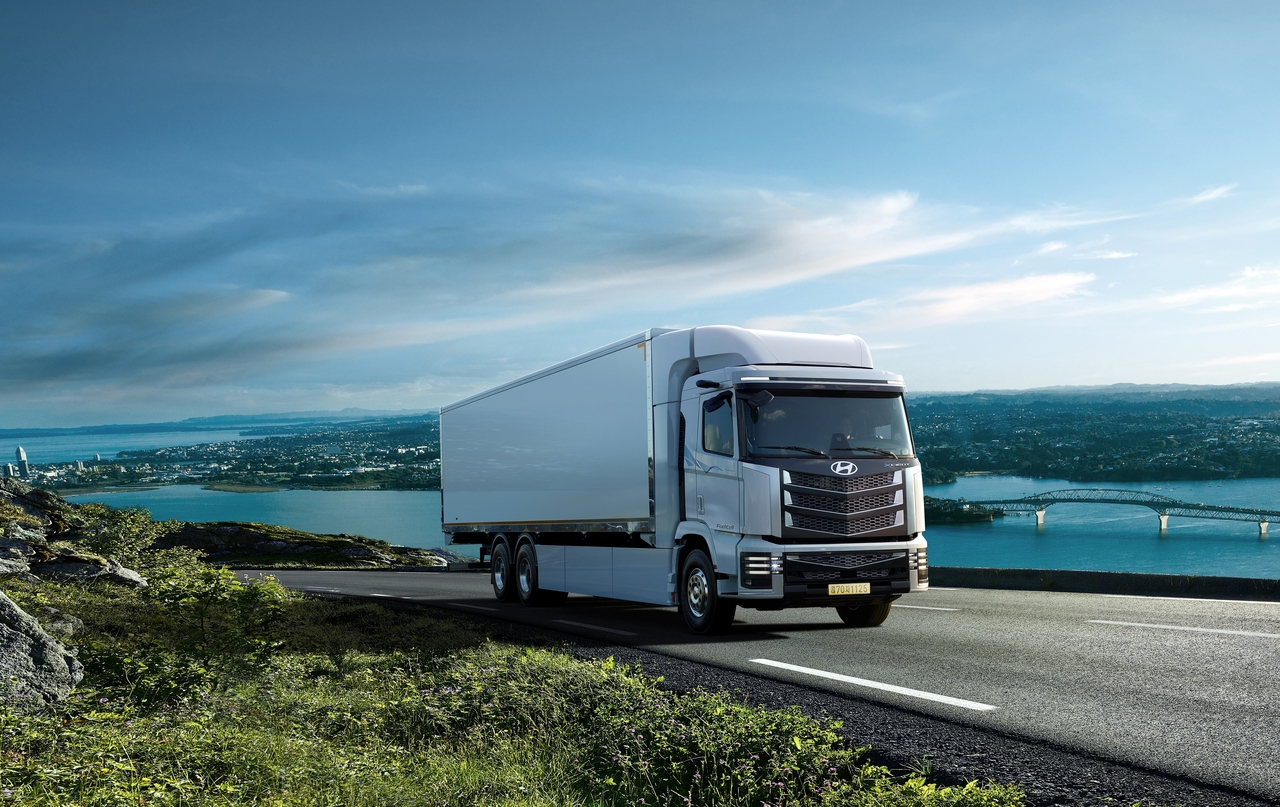
The ripple effects extend to the materials, parts and equipment industry and employment. A hydrogen fuel cell vehicle uses roughly 20,000 components — more than a battery electric vehicle — meaning existing internal combustion engine parts makers can apply their precision machining, assembly and materials expertise within the hydrogen vehicle supply chain. The domestic content rate for key components in the Nexo stands at more than 90 percent, with around 60 partner companies involved. According to the Korea Hydrogen Alliance, the domestic hydrogen industry employed approximately 37,000 workers across roughly 3,000 companies as of 2024.
Yet concerns about the policy environment are mounting. Even when the central government secures national funding for hydrogen fuel cell vehicle subsidies, distribution stalls if local governments fail to allocate sufficient matching funds. In regions where the local matching rate is low, national funds also go unspent, dragging down overall execution rates.
Of the 6,000 passenger hydrogen fuel cell vehicles allocated national funding this year, only 5,093 units — 84.9 percent — had secured matching local government funds as of the end of September. The gap is wider for commercial vehicles such as hydrogen buses: of 1,800 units allocated national funding, local funding had been secured for only about 1,270 units, or 70.6 percent.
Poor execution rates are feeding into budget cuts the following year. The 2027 budget proposal reduces the hydrogen fuel cell vehicle subsidy by 23 percent — from 576.2 billion won ($435 million) to 445.7 billion won — citing low execution rates, among other reasons.
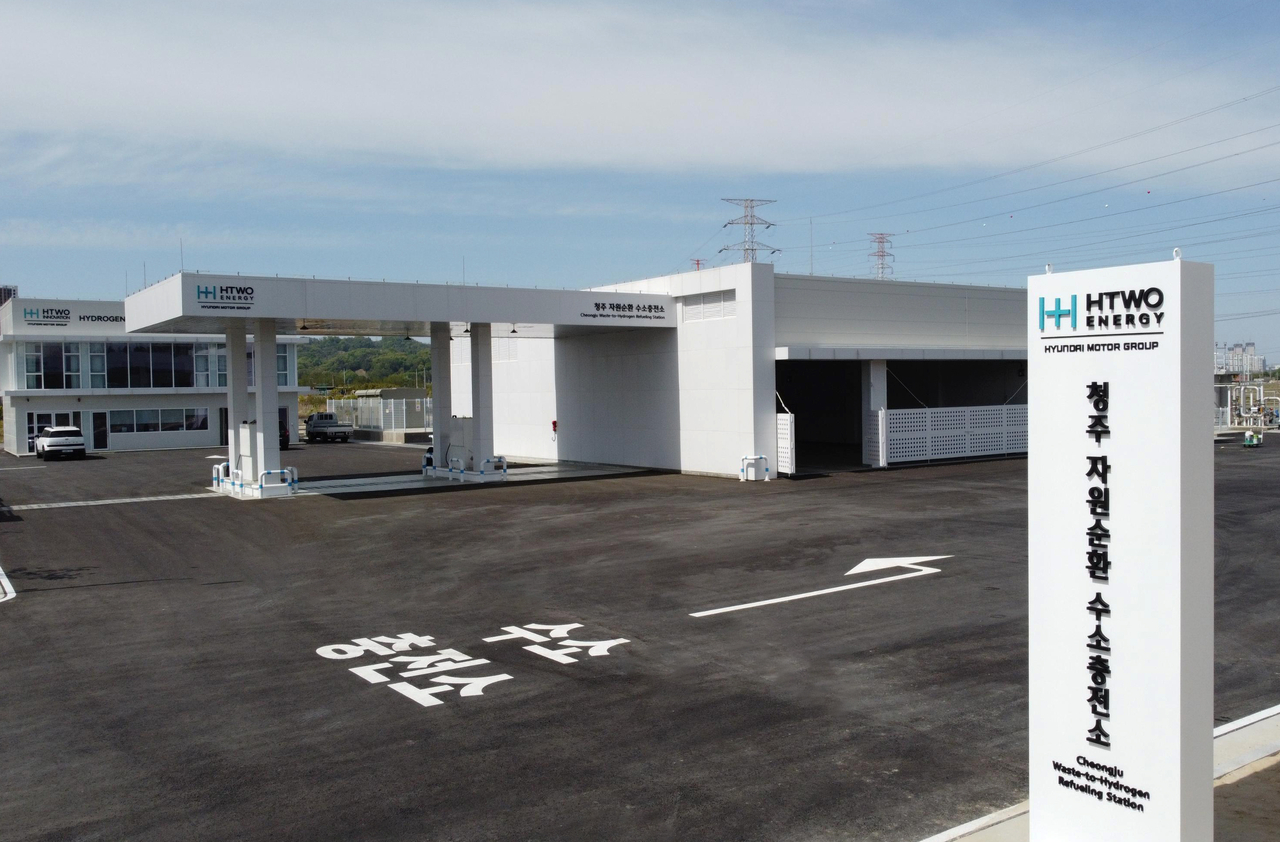
Charging infrastructure also remains inadequate. According to Hyundai Motor, 86 percent of Nexo buyers live within an average radius of 7.5 kilometers of a hydrogen charging station. The government had previously set a target of building 310 charging stations nationwide by 2022, but the country currently has just over 250 stations. Difficulties securing sites and ensuring commercial viability have kept construction below that pace.
"Domestic sales of 50,000 hydrogen fuel cell vehicles represent an achievement built by combining industry innovation with government policy to grow the hydrogen ecosystem," an industry official said. "To carry this momentum into the market's next leap, passenger vehicles, commercial vehicles and the charging network all need to develop in balance."
The official added that "creating an effective policy environment — one that allows allocated budgets to be executed without on-the-ground constraints — is paramount if the growth of the hydrogen ecosystem is to translate into the nurturing of strong small and medium-sized enterprises and job creation in South Korea."
eyre@heraldcorp.com