Saudi Arabia, Iran hold first high-level meeting since military clashes escalated
WTI settles at $101.76, Brent at $115.81
Houthi attacks, low US reserves limit decline
Oil prices fell Monday on hopes that military tensions in the Middle East could ease, after reports emerged that senior officials from Saudi Arabia, Pakistan and Turkey had traveled to Iran for talks. The decline was limited, however, as Iran-backed Houthi rebels in Yemen continued their attacks and US strategic petroleum reserves dropped to their lowest level in 44 years.
Brent crude futures for December delivery settled at $115.81 a barrel on the London ICE Futures Exchange, down 0.78 percent from the previous session. West Texas Intermediate for December delivery closed at $101.76 a barrel on the New York Mercantile Exchange, a decline of 1.46 percent.
As recently as Friday, oil prices had soared to a six-month high on fears that military conflict in the Middle East could escalate further. Concerns over potential supply disruptions grew amid speculation that the United States and Israel might resume strikes against Iran after next month's US midterm elections.
Prices reversed course Monday, however, after news broke of the high-level meeting between Saudi Arabia and Iran.
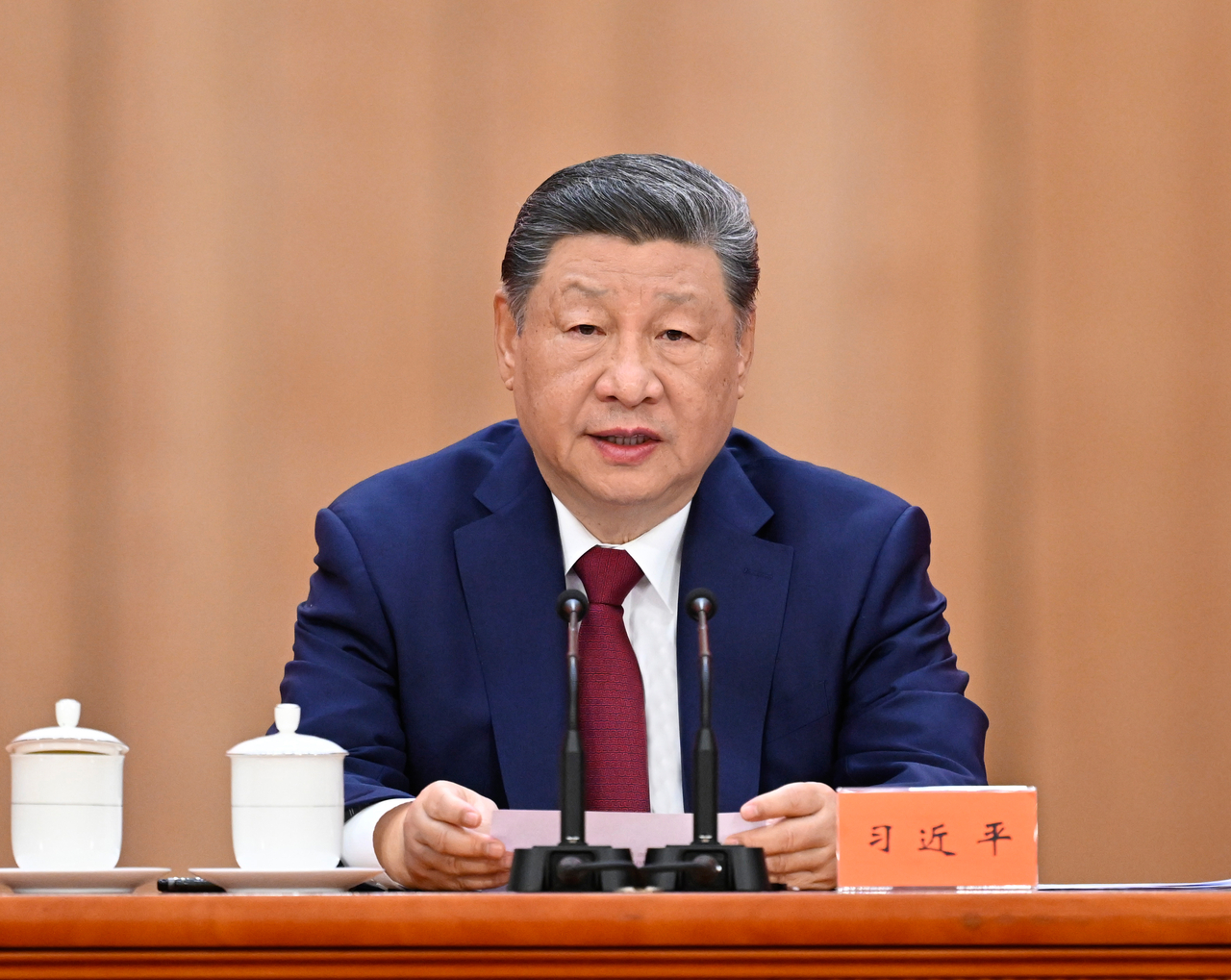
Senior officials from Saudi Arabia, Pakistan and Turkey — bound by a mutual defense agreement — visited Tehran and held talks with Iranian President Masoud Pezeshkian and other senior Iranian officials.
The high-level Saudi-Iran meeting was the first since military clashes between Saudi Arabia and the Iran-backed Houthi rebels in Yemen intensified in July. The direct engagement by key regional players raised hopes for a de-escalation of military tensions and a diplomatic resolution to the conflict.
The decline in oil prices was limited, however, as military hostilities in the region continued.
The Saudi-led coalition has been intercepting Houthi drone attacks targeting the capital Riyadh and southern areas of the country. Attacks on Saudi maritime shipping routes have also persisted, keeping concerns over crude oil transport disruptions alive.
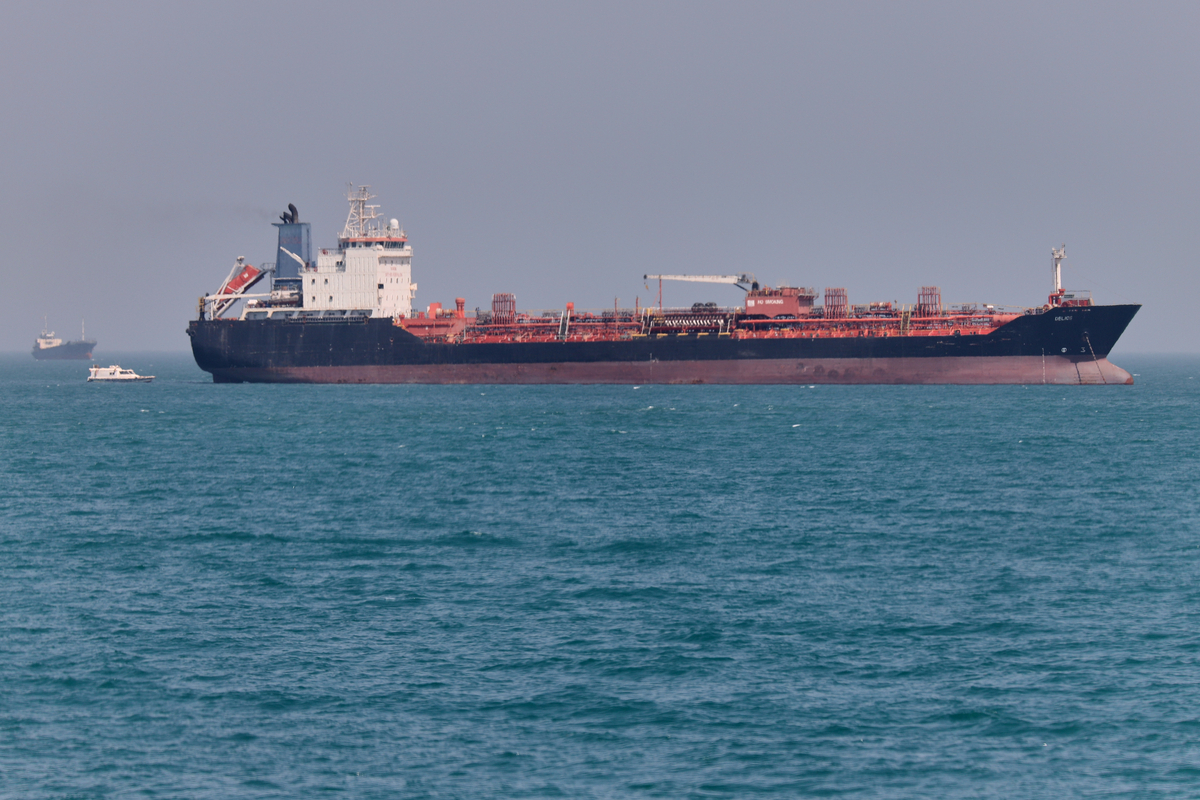
A fire aboard an oil tanker struck off the UAE coast, and the risk of resulting environmental damage, added to unease in the oil market. Continued attacks on vessels along key Middle Eastern shipping lanes could place additional strain on the crude supply chain, analysts warn.
A decline in US strategic petroleum reserves also limited the drop in oil prices.
According to the US Department of Energy, American strategic petroleum reserves fell to 282.6 million barrels last week, the lowest level since October 1982 — roughly 44 years ago.
With US reserves at historically low levels, any expansion of supply disruptions in the Middle East could leave authorities with limited capacity to stabilize international oil prices.
sjy@heraldcorp.com