A patient walks into the hospital on her own in the morning — and is brought home cold by the afternoon. For the family, it is impossible to accept.
So they begin a fight that seems nearly impossible to win. They break open savings accounts and sell their home to raise money — all to find out why their loved one died. But proving a medical institution's liability is extraordinarily difficult for patients and their families. The reason is a fundamental asymmetry of information.
In South Korea, medical disputes are handled primarily through mediation or arbitration at the Korea Medical Dispute Mediation and Arbitration Agency — averaging about 2,100 cases a year — and through civil litigation, averaging about 1,000 cases a year, according to research by the Korea Insurance Research Institute. More than 3,000 medical disputes play out every year, each one a David-versus-Goliath battle.
The Herald Business, in partnership with law firm O'Kims, has analyzed a range of medical dispute rulings to examine how David might defeat Goliath. We hope patients and their families can survive the medical survival game. The series runs twice a month, on alternating Tuesdays.
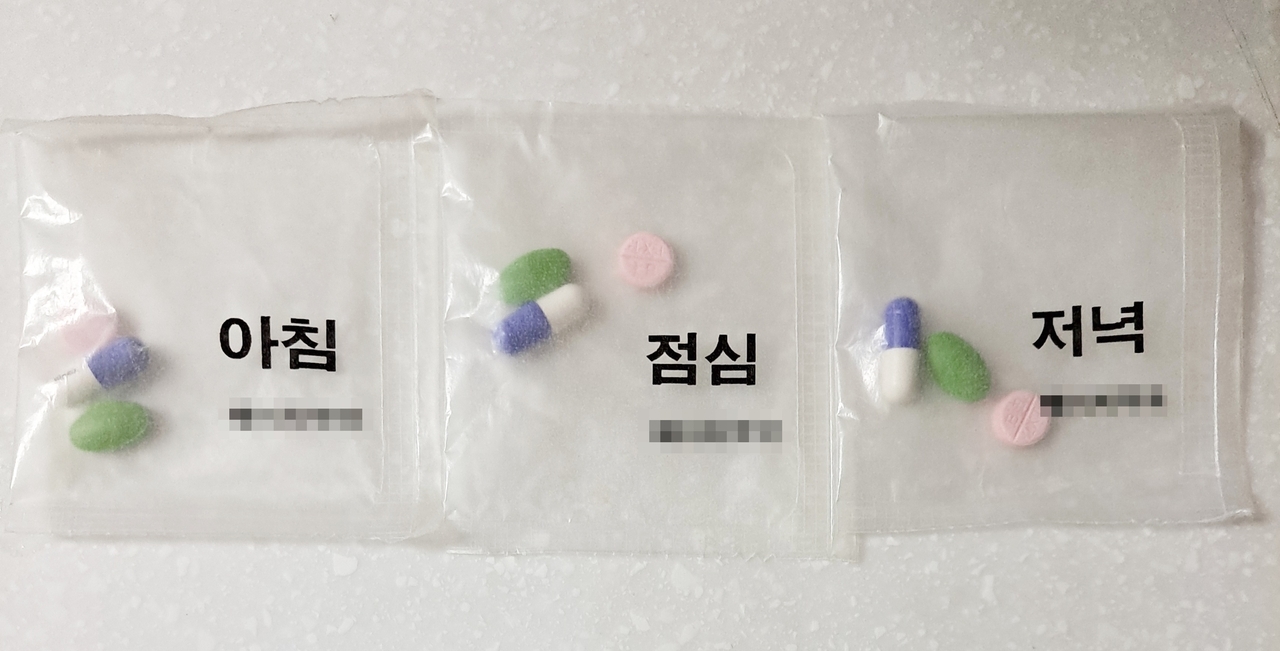
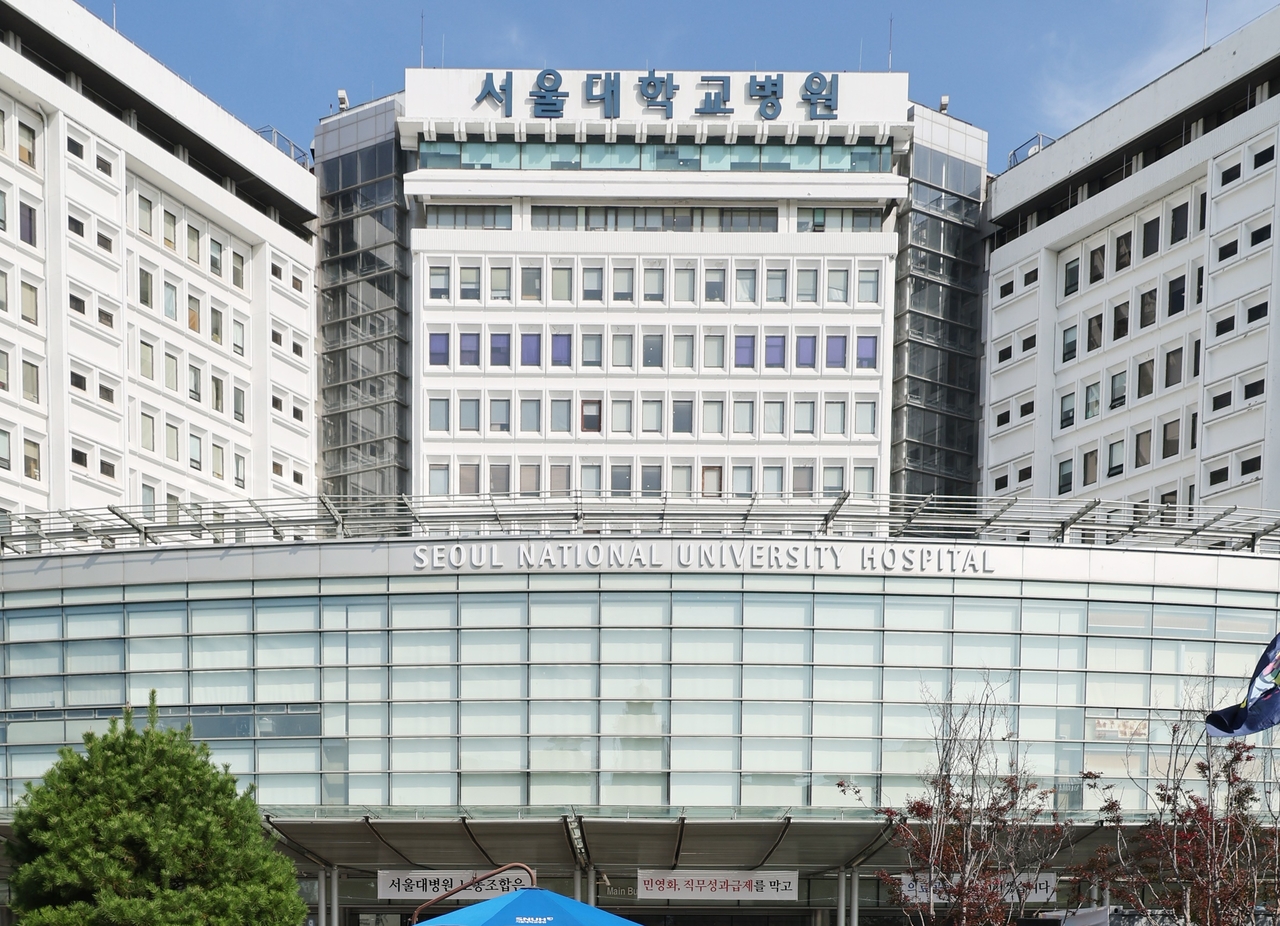
Misfortune gave no warning. Just five days after starting an anticancer drug, the patient's blood pressure spiked. When she went to Seoul National University Hospital feeling unwell, a nurse told her not to see a doctor then and there — but to return on her already-scheduled outpatient appointment date. Two days later, she suffered a cerebral hemorrhage that left her unable to move. She never recovered.
Patient A had a long history with Seoul National University Hospital. She had been treated there for right facial palsy (around 1995), hypertension (around 2000), dyslipidemia and a thyroid tumor (around 2006), thyroid cancer with lung metastasis (around 2016), cerebral infarction (around 2015) and an unruptured cerebral aneurysm (around 2015).
Her family had no doubt that Seoul National University Hospital knew her better than anyone. Her thyroid cancer and lung metastasis had both been treated there.
On Sept. 2, 2019, the hospital assessed her condition following her sixth radioactive iodine treatment. A chest CT scan taken June 17, 2020, and a PET-CT scan taken June 22 of the same year showed that a lung metastasis lesion had grown to 1.7 centimeters, up from 1.3 centimeters on a CT scan taken Dec. 9, 2019.
The decision was made to begin targeted therapy. Seoul National University Hospital explained that the goal of targeted therapy was disease stabilization rather than a cure, that the side effects of the targeted drugs Nexavar and Lenvima could not be predicted, that a secondary drug would not be covered by insurance if the first proved ineffective or if resistance developed, and that side effects remained a possibility.
Patient A was prescribed Nexavar, whose active ingredient is sorafenib, a tyrosine kinase inhibitor that blocks vascular endothelial growth factor receptors. Because its mechanism of action suppresses tumor angiogenesis, it can cause side effects including hypertension and bleeding. Elevated blood pressure is particularly common in the early stages of treatment, making blood pressure monitoring and active management essential.
Because Patient A was already taking half a tablet of the antihypertensive Zanidip, the hospital instructed her to increase the dose if her blood pressure rose. The hospital also scheduled a follow-up appointment for July 27, 2020, and told her to contact the thyroid center or visit the emergency room or outpatient clinic if side effects occurred.
The feared side effects materialized. Patient A began taking Nexavar on July 15, 2020, and five days later, on July 20, her blood pressure rose and she developed a sensation of heaviness in her head. By July 23, her blood pressure had climbed to 196/120 mmHg.
When she went to Seoul National University Hospital, a nurse told her to return on her scheduled appointment date of July 27 rather than see a doctor that day. The nurse had measured her blood pressure at 150/90 mmHg and used that reading as the basis for sending her home.
On the night of July 25 of that year, Patient A was rushed to the hospital's emergency room with a cerebral hemorrhage. Even after treatment, she was completely unable to move. She died March 28, 2024, of heart failure caused by a myocardial infarction from a malignant thyroid neoplasm.
That was the end for a woman who had been a wife and a mother of four.
Family: 'She was sent home without seeing a doctor'
Patient A's bereaved family filed a damages claim of about 320 million won ($242,000) against Seoul National University Hospital. They argued that the hospital had failed to take adequate measures despite prescribing Nexavar, a drug with serious side-effect risks; that it had not properly explained those side effects; and that when Patient A visited the hospital after side effects appeared, she was sent home without seeing a doctor.
More specifically, the family said the hospital's medical staff knew that elevated blood pressure was among Nexavar's side effects and that Patient A was already taking blood pressure medication — yet they failed to measure her blood pressure or conduct a risk assessment before prescribing the drug.
Moreover, even though Patient A was receiving treatment for blood pressure management at the hospital's cardiology department, no interdepartmental consultation was arranged.
The family also said the nurse had sent Patient A home without arranging for her to see a doctor during her visit.
Given that Patient A had informed the hospital that her blood pressure had risen sharply and that she had developed headaches after starting Nexavar, the family argued the hospital should have taken steps to control her blood pressure — including adjusting her antihypertensive or Nexavar dosage, or suspending Nexavar altogether.
Court recognizes only violation of right to receive medical care
The Seoul Central District Court, presided over by Judge Lee Seong-jin, rejected all of the family's claims except one: that Patient A's right to receive medical care had been violated. The court ordered Seoul National University Hospital to pay damages totaling just 46.5 million won — comprising 27.5 million won for Patient A, 6 million won for her spouse, 3 million won each for her four children, and 500,000 won each for her two siblings.
The court divided the family's claims into medical negligence, failure to fulfill the duty to explain, and breach of the duty of care, and found fault only in the nurse's decision to send Patient A home without a doctor's examination despite her visit to the hospital.
In its detailed reasoning, the court drew on a medical record review commissioned from a medical assessment body at a physicians' association, along with arguments presented at trial, and ruled that the evidence submitted by the family alone was insufficient to establish that the hospital's medical staff had a duty to measure Patient A's blood pressure, conduct a risk assessment, or request a cardiology consultation before prescribing Nexavar.
"The endocrinology and metabolism department staff at Seoul National University Hospital reviewed Patient A's cardiology records before prescribing Nexavar and were aware of her blood pressure status and the antihypertensive medication she was taking," the court said, adding that the medical assessor's opinion also did not recommend a cardiology consultation when prescribing Nexavar.
On the failure-to-explain claim, the court said it was established that the hospital's medical staff had explained Nexavar's side effects and how to respond to them when prescribing the drug.
The court's recognition of a breach of the duty of care was also limited. The determining factor appeared to be that Patient A had followed the instructions given by the endocrinology and metabolism department when she experienced side effects after starting Nexavar.
"When Patient A's blood pressure rose after starting Nexavar, she increased her antihypertensive dosage and notified the hospital's thyroid center — actions consistent with the precautions the endocrinology and metabolism department had communicated," the court said. "The telephone counselor's response was also in line with those precautions."
The court added that the evidence submitted by the family alone was insufficient to establish that the telephone counselor had a duty to relay the consultation to the endocrinology and metabolism department or to advise Patient A to see a doctor.
In finding that Patient A's right to receive medical care had been violated, the court pointed to three factors: that the blood pressure reading of 196/120 mmHg she had measured herself met the threshold for Grade 3 severity under the adverse-event classification criteria established by the US National Cancer Institute; that the nurse's reading of 150/90 mmHg may have been inaccurate and warranted re-measurement and a physician's examination; and that because Nexavar is an anticancer drug that can cause side effects, a physician's review was needed to consider adjusting the dosage in light of her elevated blood pressure and underlying conditions.
"The nurse at the thyroid center had a duty to ensure that Patient A, who had come to the center, was seen by a doctor, and she breached that duty," the court said.
Jo Jin-seok: 'Conversations and recordings can work against the plaintiff'
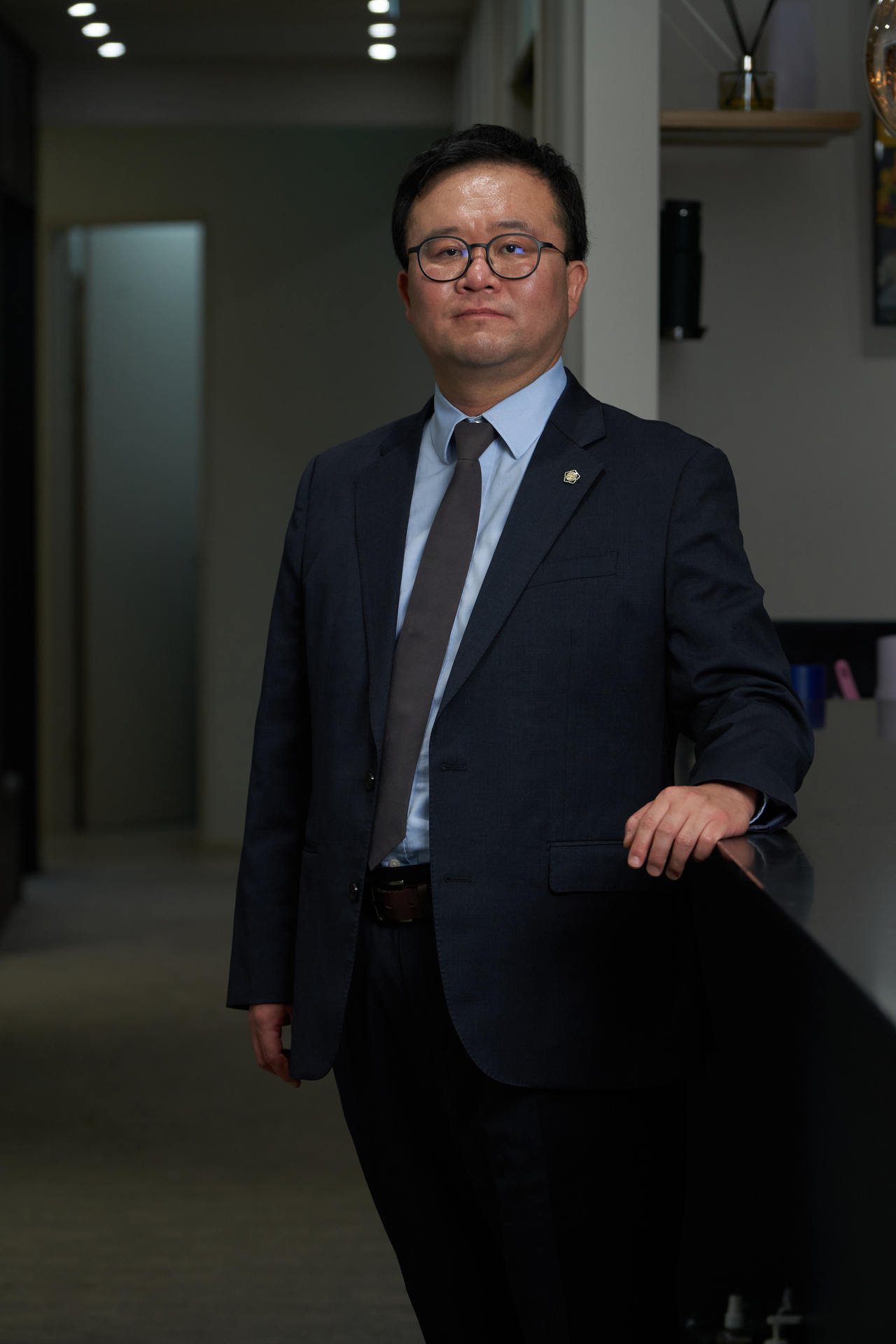
Jo Jin-seok, an attorney at law firm O'Kims, said the conversation records with the attending physician that the family had submitted as evidence had actually worked against them.
Jo also noted that even though the court had partially recognized a breach of the duty of care, it had assessed causation as a separate matter.
He said the court's reasoning reflected the fact that Patient A had multiple risk factors for hemorrhagic brain disease — including hypertension, dyslipidemia, cerebral infarction, a cerebral aneurysm and aspirin use — making it difficult to attribute her cerebral hemorrhage solely to Nexavar.
"In this case, the conversation records with the attending physician submitted by the family were used as grounds to deny causation — on the basis that a doctor would have taken the same course of action even if an examination had been conducted," Jo said. "That is something plaintiffs need to be aware of."
He went on to say that while conversations or recordings with medical staff after a medical accident can generally serve as powerful evidence supporting negligence, they can also work against the plaintiff depending on their content. "Before submitting such evidence, you need to carefully consider how it will affect the requirements for establishing liability for damages," he said.
Jo also said that in this case, causation was denied even though a breach of the duty of care had been partially recognized. "In medical malpractice litigation, negligence and causation are separate requirements," he said. "This case shows how difficult it is to prove hypothetical causation — that is, what measures a doctor would have taken had an examination occurred, and whether those measures would have prevented the adverse outcome."
He added that when a patient has multiple risk factors for an adverse outcome, medical assessors often conclude that the result stemmed from a combination of factors. "That kind of opinion tends to work against establishing causation," he said.
ko@heraldcorp.com