Women turn to online matching sites instead of clinics
One major site has around 7,000 members, with 100–200 new donors registering monthly
Risks include STIs, coerced sex and identity fraud
Children's right to know their biological fathers also sparks debate
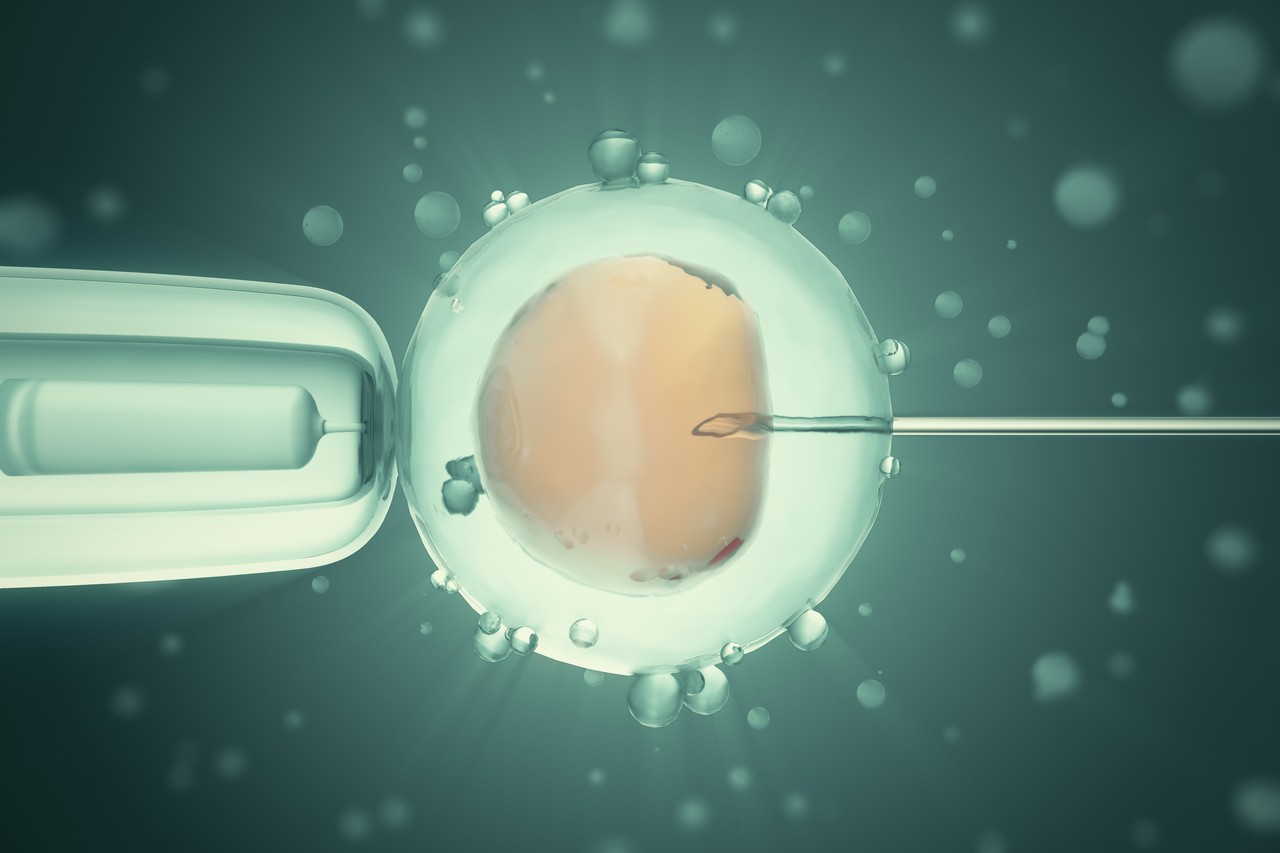
A growing number of women in Japan are attempting to conceive using sperm obtained from men they meet online, bypassing hospitals entirely. As thousands flock to internet matching sites that connect sperm donors with recipients, a range of serious problems has emerged — from sexually transmitted infections to fraud over donors' academic credentials and marital status, and demands for non-consensual sex — fueling a widening social controversy.
According to NHK, the practice of exchanging sperm between private individuals without going through a medical institution has been spreading in Japan. More people are turning to online matching sites to avoid the high barriers and costs associated with conventional fertility treatment.
Japan's current system for artificial insemination by donor is legally restricted to married couples in which the husband has azoospermia or a similar condition. As a result, single women, sexual minorities and infertile couples who do not qualify under the existing system have increasingly turned to private sperm donation.
One major Japanese sperm-donation matching site has around 7,000 members, with 100 to 200 new donors registering every month.
Cost is another driver of the trend. Unlike procedures performed at medical institutions, privately arranged donations on a voluntary basis involve little to no expense. Whether any payment changes hands is typically left to the parties to decide.
The method of transfer also differs from standard clinical procedures. According to NHK, the most common approach has the donor collect semen in an antibacterial container in a separate room and leave it alongside a needleless syringe; the woman then enters and inserts the semen herself. The arrangement is designed to avoid direct physical contact between donor and recipient.
Private sperm donation conducted without medical screening or oversight, however, exposes both parties to a range of risks.
Sexually transmitted infections are among the most prominent concerns. When a donor's health status and infection history have not been properly verified, the recipient faces a real risk of contracting an STI.
Cases have also been reported of donors using the arrangement as a pretext to demand non-consensual sex, or misrepresenting their educational background and marital status. The problem stems from a lack of institutional safeguards to verify donors' identities and screen out false information.
The rights of children born through private sperm donation are also a source of controversy. Children conceived through anonymous donations may, upon reaching adulthood, face an identity crisis and psychological distress from not knowing who their biological father is.
Anonymous sperm donation in Japan dates back to just after World War II. More than 10,000 children are estimated to have been born through the practice, yet the full scale and circumstances of those births remain poorly understood.
Overseas, a movement to guarantee donor-conceived children's right to know their origins has been gaining ground. The United Kingdom, Germany and some states in Australia have enacted laws requiring non-anonymous sperm donation, allowing children to identify their biological fathers.
Japan is beginning to follow suit. Non-anonymous sperm banks have been established to allow children to trace their birth origins, signaling a push for regulatory reform.
As demand from people seeking fertility treatment and parenthood outpaces what the existing system can accommodate, the market for private sperm donation is growing — yet the legal framework to regulate it remains inadequate. There is an urgent need for rules that not only verify donors' health and identity but also protect the rights of the children who will be born as a result.
sjy@heraldcorp.com