The 2026 Safe Korea Disaster Response Drill, held Tuesday at the Dobong depot, simulated drone strikes triggering a train derailment and building collapse, drawing 420 participants from 23 agencies and 66 pieces of equipment
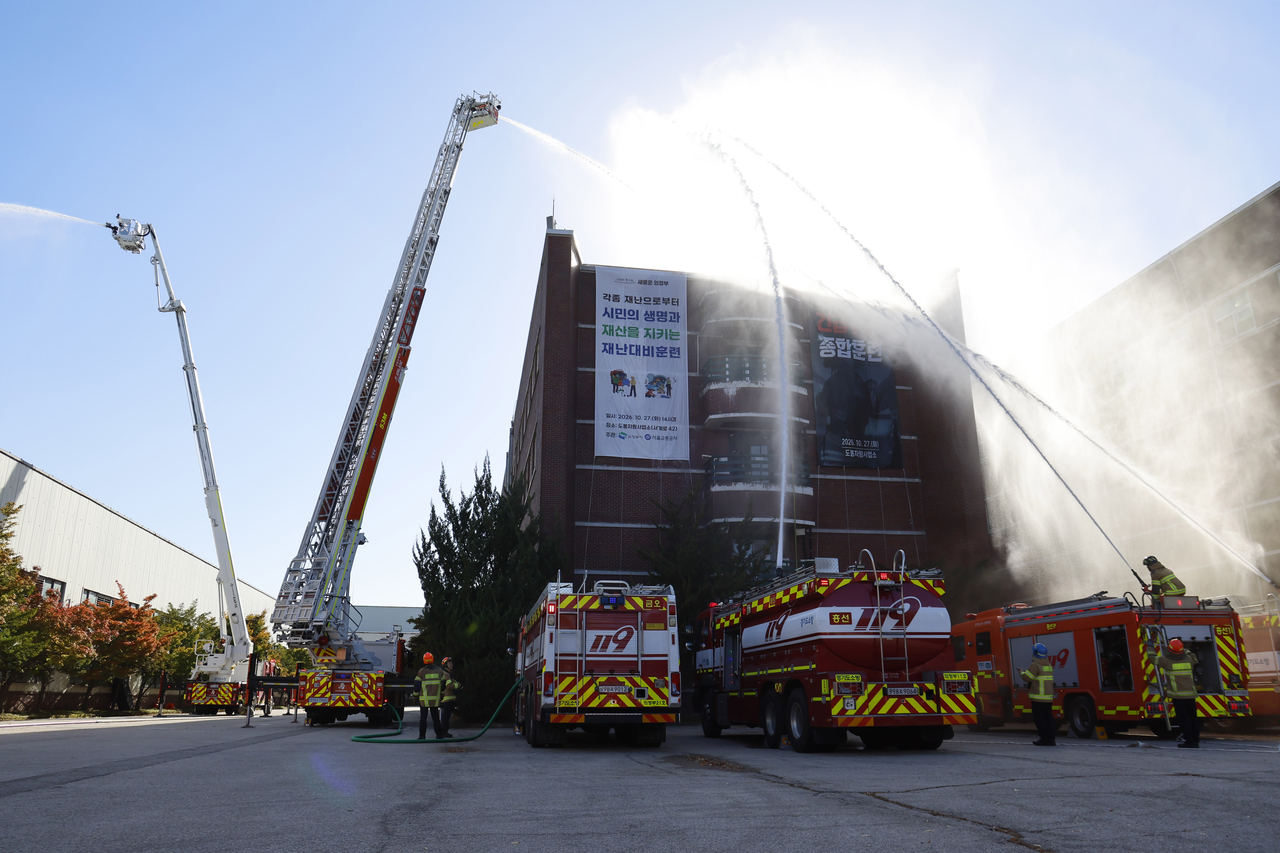
Seoul Metro held its "2026 Safe Korea Disaster Response Drill" at the Dobong vehicle depot on Tuesday, simulating a complex disaster scenario involving a drone terror attack that triggers a train derailment and building collapse.
The drill brought together 420 personnel from 23 agencies and organizations — including Uijeongbu city, fire departments and police — along with 66 pieces of equipment, to test the joint response framework for large-scale disasters.
To strengthen its capacity to handle unpredictable new types of disasters such as drone attacks, Seoul Metro linked live field exercises with discussion-based drills at its headquarters emergency operations center in real time. The combined format allowed a comprehensive review of the step-by-step response chain, from initial situation reporting through search and rescue to accident management and recovery.
The exercise was built around a scenario in which two drones appeared over the Dobong depot and struck a train and a building separately. The simulated drone explosions caused a train to derail while moving for maintenance and knocked out a track switch, while simultaneously triggering a fire and building collapse in the administrative wing that resulted in multiple casualties — creating a full compound-disaster situation.
Seoul Metro drilled a step-by-step response procedure aimed at initial action within five minutes of a disaster, covering situation reporting, notification of relevant agencies, early fire suppression and evacuation guidance. The exercise placed particular emphasis on the initial measures the in-house fire brigade must carry out before external rescue teams arrive, and on minimizing casualties.
Joint response drills with partner agencies were also conducted. Fire departments handled firefighting, search and rescue, and emergency medical response, while the military and police managed explosives searches and scene control. Uijeongbu city operated an integrated support headquarters and reviewed inter-agency coordination procedures for resource support and incident management.
A public observer group was also organized to improve the practical effectiveness of the drill from a citizen's perspective. The group, which included people with disabilities and elderly participants, took part in observing the exercises, monitoring operations and evaluating the drill.
Seoul Metro plans to analyze the drill's evaluation results alongside feedback from the public observer group, address any shortcomings, and incorporate the findings into its disaster response manuals and future training. The agency also intends to continue joint drills with relevant agencies to strengthen its capacity to handle complex disasters.
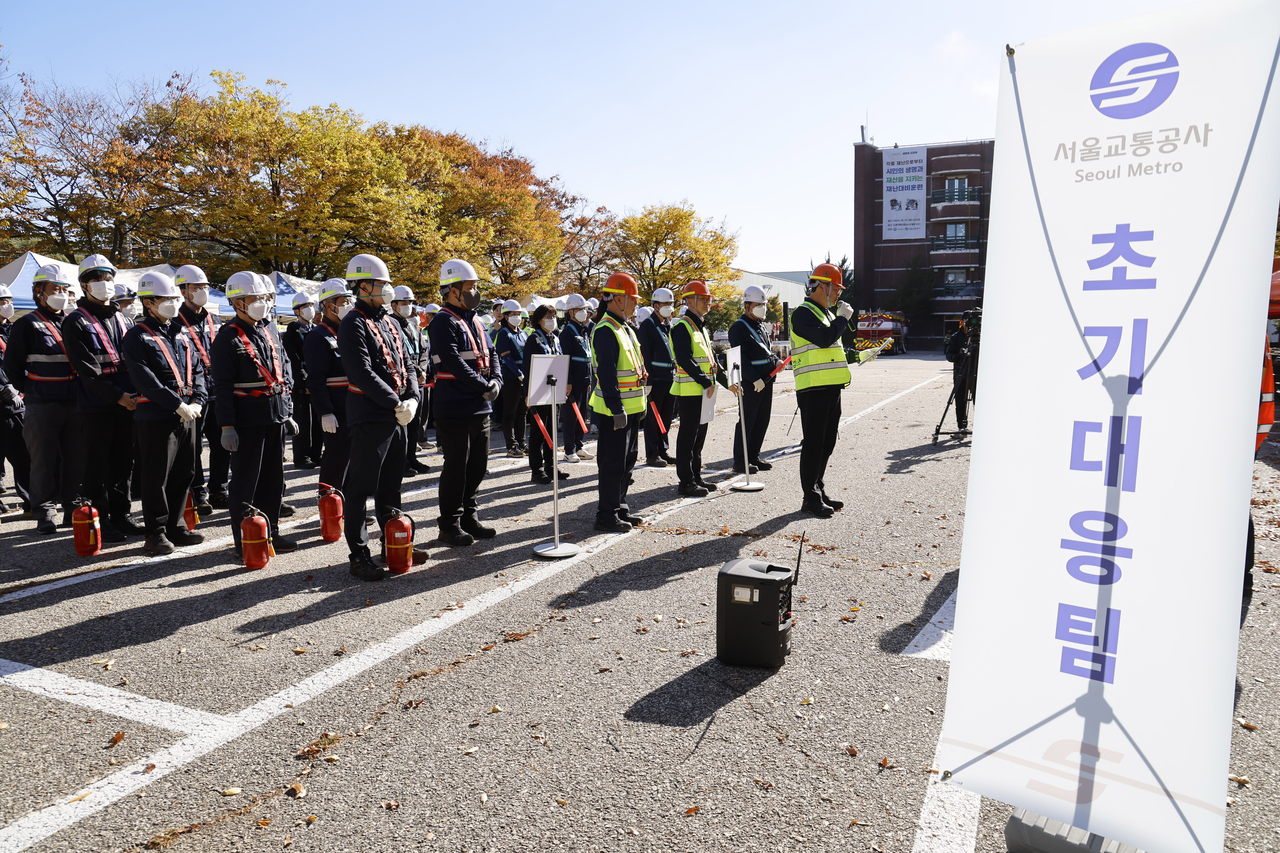
"In complex disaster situations such as drone terror attacks, which are difficult to predict, swift initial response and close cooperation among relevant agencies are paramount," the head of Seoul Metro's safety management division said. "We will continue to strengthen our disaster response capabilities through realistic drills and work to create a safe urban rail environment where citizens can ride with confidence."
seouldream01@heraldcorp.com