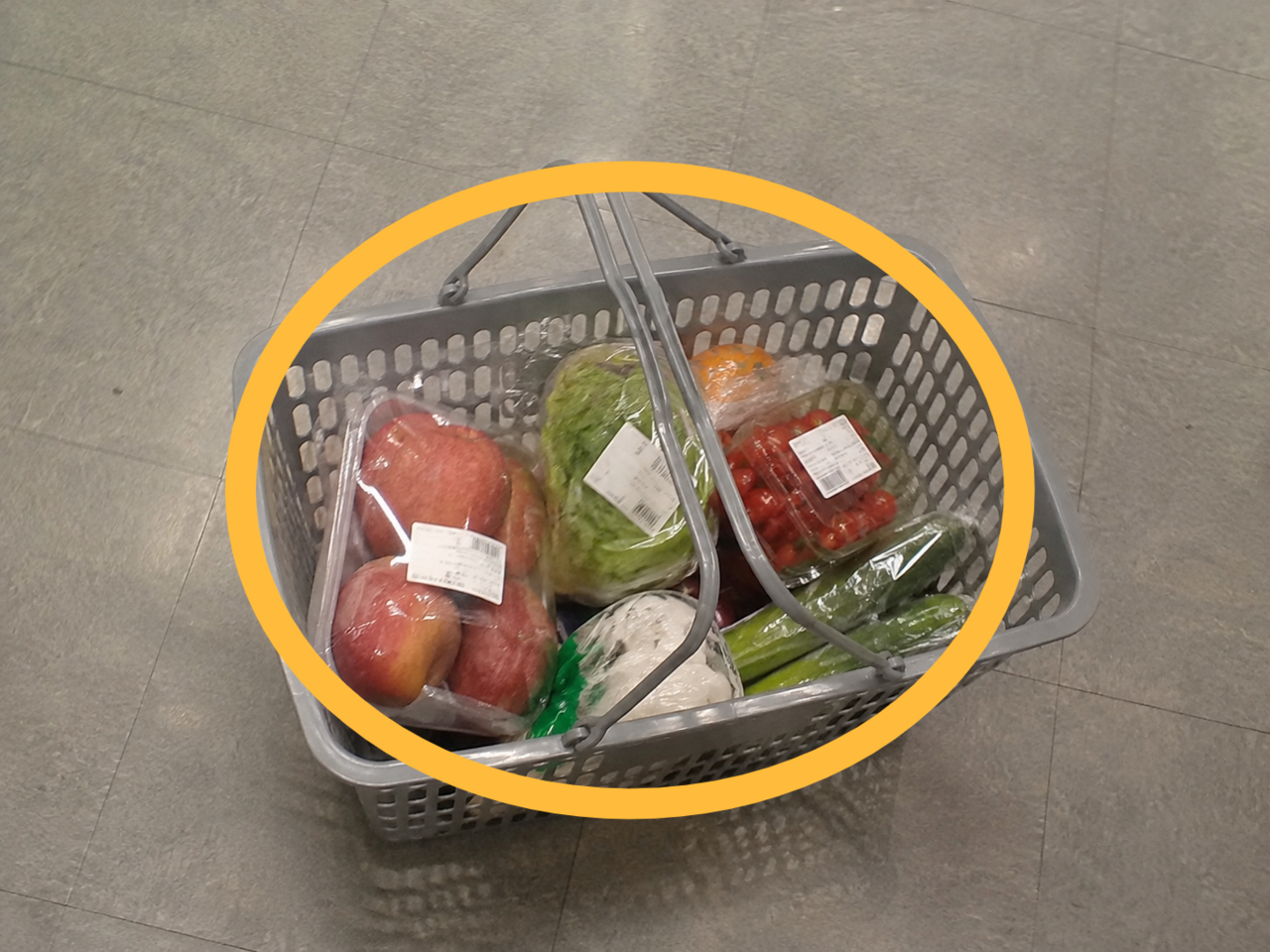
"Fruits and vegetables are so expensive these days, I can barely afford them."
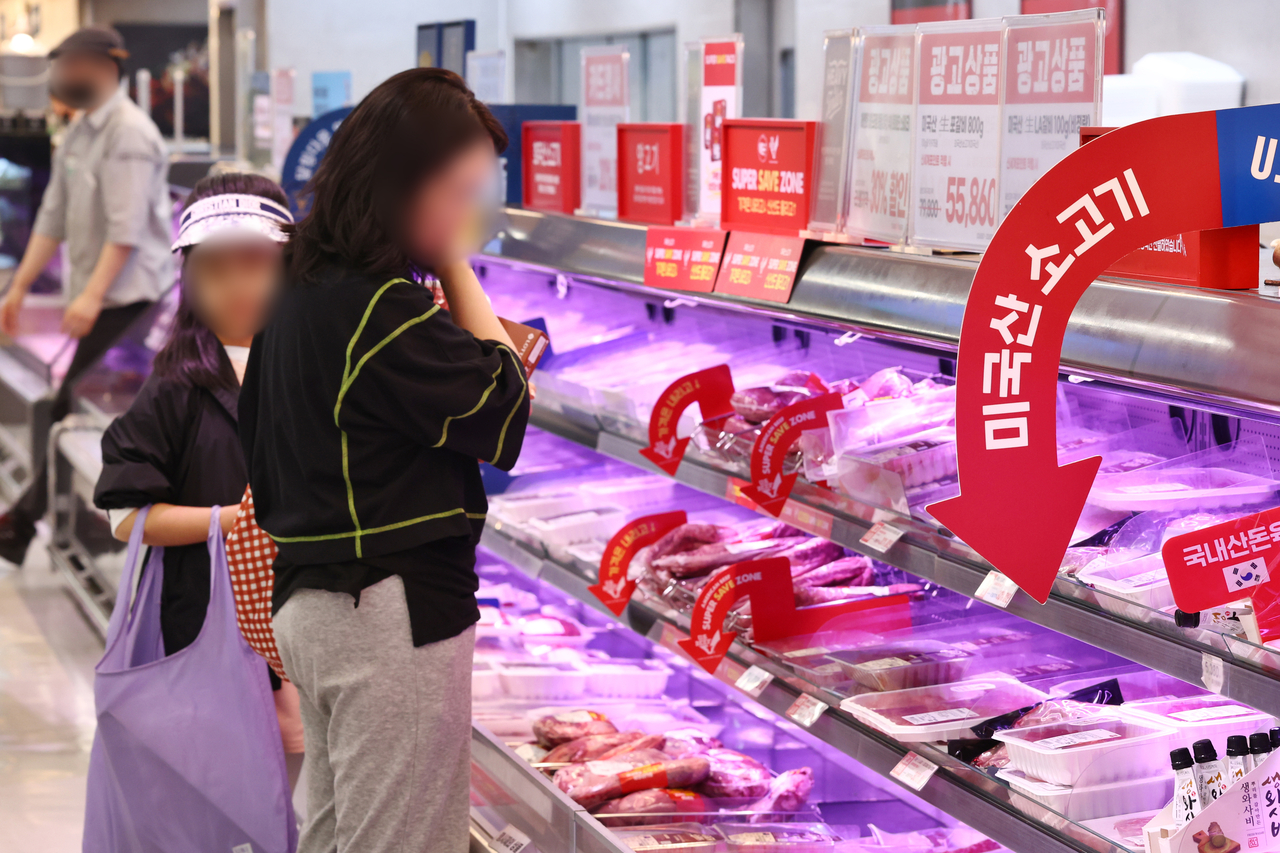
Grocery bills have become an increasingly heavy burden for many households. Fruits and vegetables, in particular, are among the hardest items to justify buying as food prices climb.
Yet a significant share of these costly ingredients never reaches consumers. The loss rate stands at 26 percent — meaning one in four units of total output disappears before it ever goes on sale.
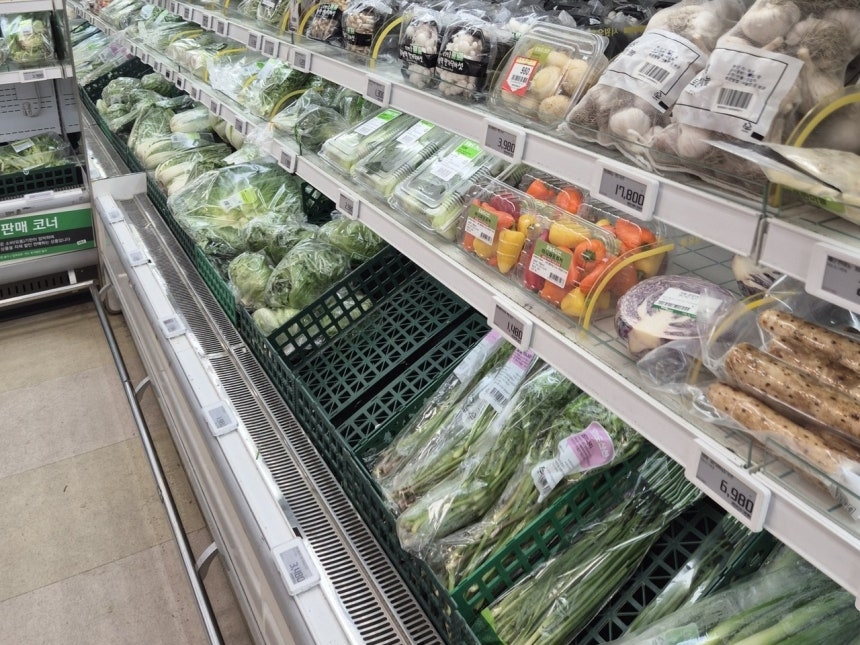
The problem extends well beyond fruits and vegetables. The overall food loss rate — covering meat, grains and other categories — sits at around 13 percent. Despite sustained global efforts to curb food waste, that figure has barely budged.
What makes the picture even grimmer is that this number does not include food thrown away at homes or restaurants. Once waste at the consumption stage is factored in, the true scale of food loss becomes almost impossible to quantify.
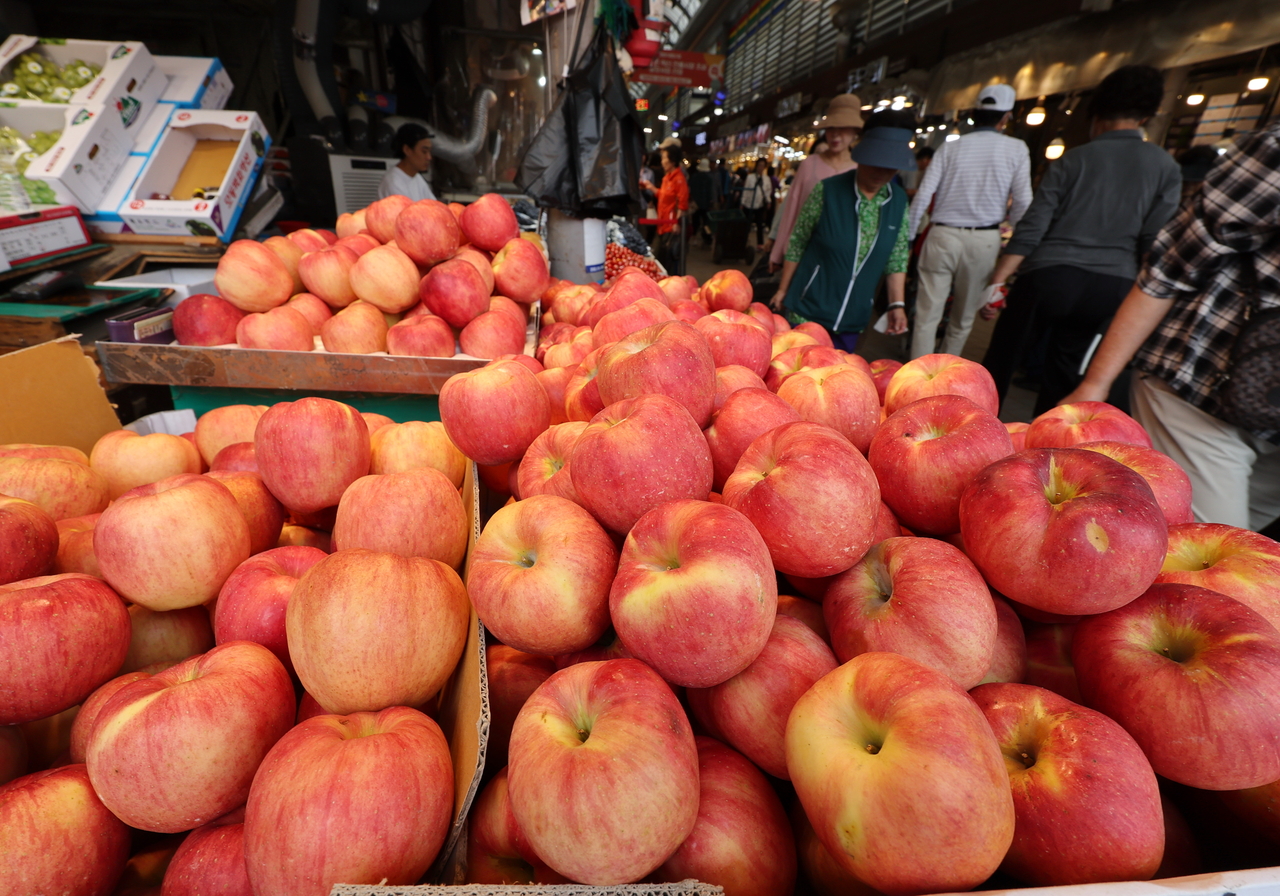
Food waste is not simply an ethical failing — a matter of squandering food while others go hungry. The consequences run far deeper.
The core problem lies in a vicious cycle of wasted finite resources. When food is lost, so too is all the land, water and energy that went into producing it. This makes food loss one of the leading drivers of climate change.
According to the latest food loss statistics released by the UN Food and Agriculture Organization in September, the global food loss rate in 2024 was estimated at 13.4 percent. The figure captures losses that occur from the point of harvest through to retail — before food reaches store shelves.
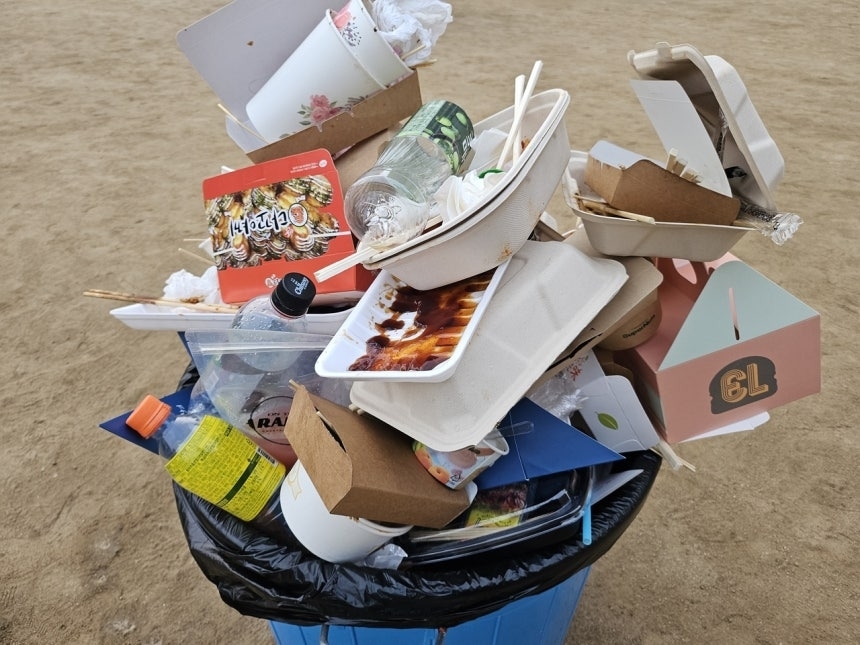
Fruits and vegetables recorded the highest loss rate of any food category. In 2024, the figure reached 26.4 percent — a level that stands out sharply against other categories. Grains and legumes lost just 8.4 percent over the same period, while meat and animal products came in at 14.1 percent and roots, tubers and oil crops at 12.2 percent.
Fruits and vegetables spoil more quickly than other foods and are highly sensitive to temperature and humidity during storage and transport, making quality management after harvest particularly demanding.
That complexity, however, does not justify the high loss rates. In 2015, the international community formally committed to reducing food loss and waste through the SDGs, adopted at the UN General Assembly.
Yet loss rates have not declined since then — they have grown. The global fruit and vegetable loss rate was 23.2 percent in 2015, meaning it has risen by 3.2 percentage points over the past decade.
And that figure covers only pre-supply losses. A substantial share of food that does reach supermarkets, restaurants and homes is still thrown away.
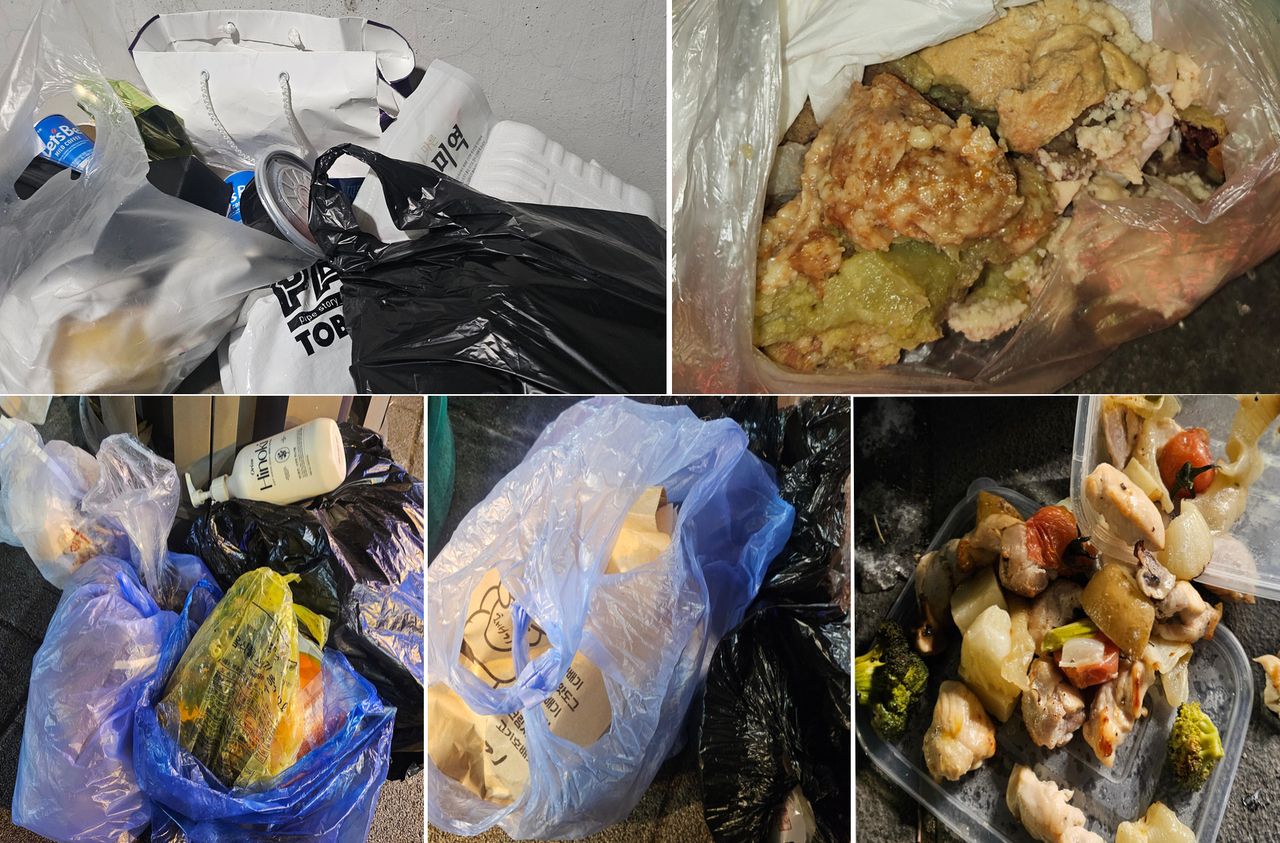
According to the UN Environment Programme's 2024 Food Waste Index Report, households, food service businesses and retailers generated about 1.05 billion tons of food waste worldwide in 2022 — roughly 2.88 million tons a day. That amounts to about 19 percent of all food supplied to consumers being thrown away.
Households were by far the largest source. About 631 million tons — 60 percent of the total — came from homes. Food service businesses accounted for about 290 million tons, or 28 percent, while retailers contributed about 131 million tons, or 12 percent.
Calculated against the global population, each person generates an average of 132 kilograms of food waste per year. Household waste alone amounts to 79 kilograms per person annually.
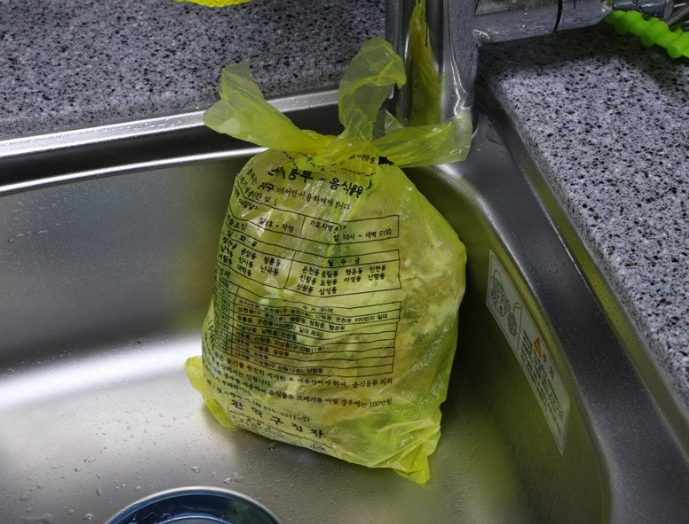
UNEP estimates that at least 1 billion meals' worth of edible food is thrown away in homes every day. Divided across three meals a day, that is enough to feed about 333 million people for an entire day.
A report on the state of global food security and nutrition published in July by five UN agencies including the FAO found that about 645 million people experienced hunger in 2025. Vast quantities of food are disappearing while hundreds of millions go without enough to eat.
The damage does not stop there. Greenhouse gas emissions from food loss and waste are estimated to account for roughly 8 to 10 percent of global emissions — about five times the total produced by the entire global aviation industry.
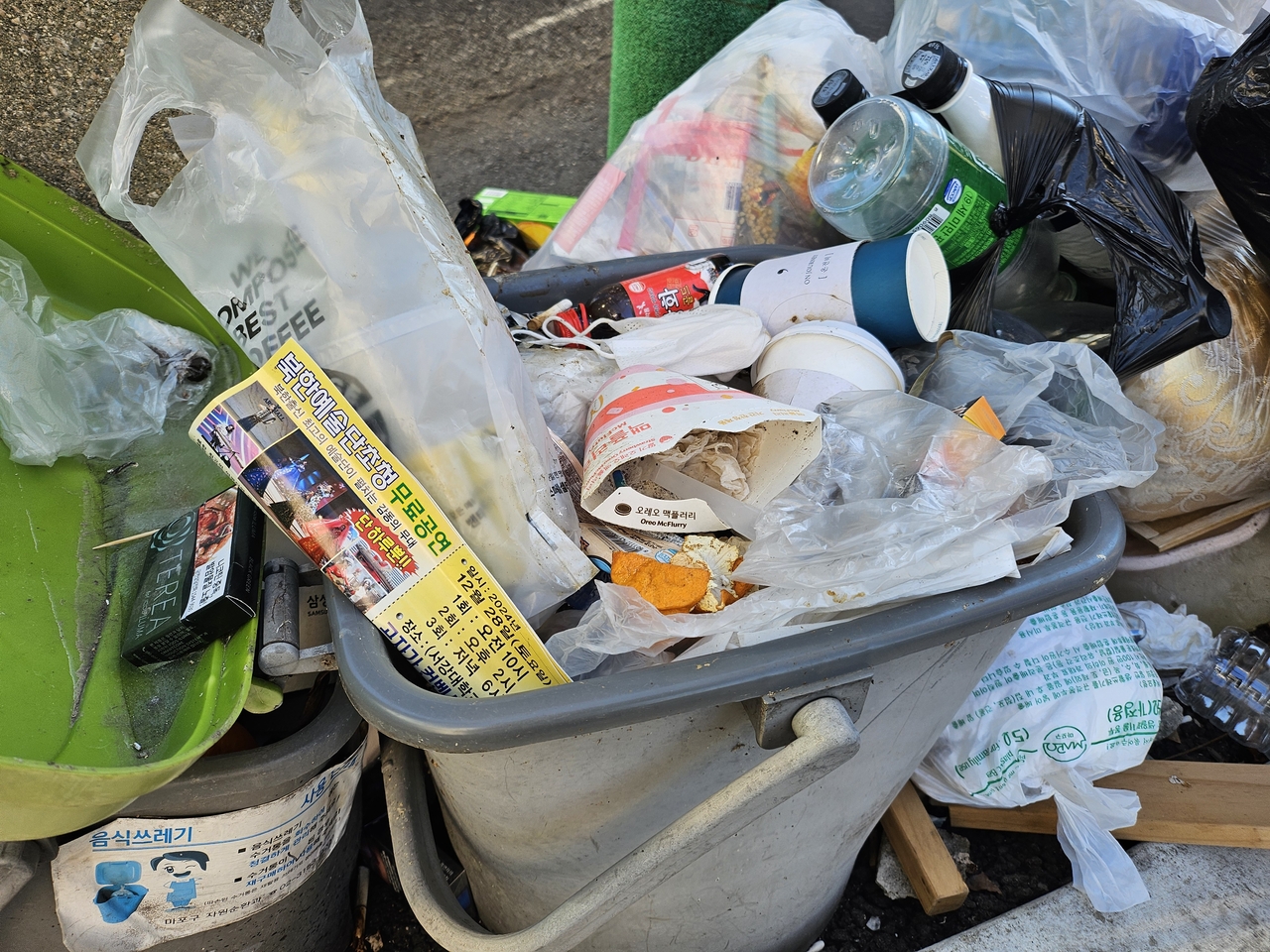
Producing food requires energy at every step — running farm machinery, manufacturing fertilizers and transporting crops. Refrigerating and processing food also generates greenhouse gas emissions. When food produced through all of that effort is thrown away without being consumed, the emissions and resources already spent on its production and distribution are wasted along with it.
On top of that, food discarded in landfills and other low-oxygen environments decomposes to produce methane, a potent greenhouse gas. Methane does not linger in the atmosphere as long as carbon dioxide, but its warming effect per unit of mass is far greater.
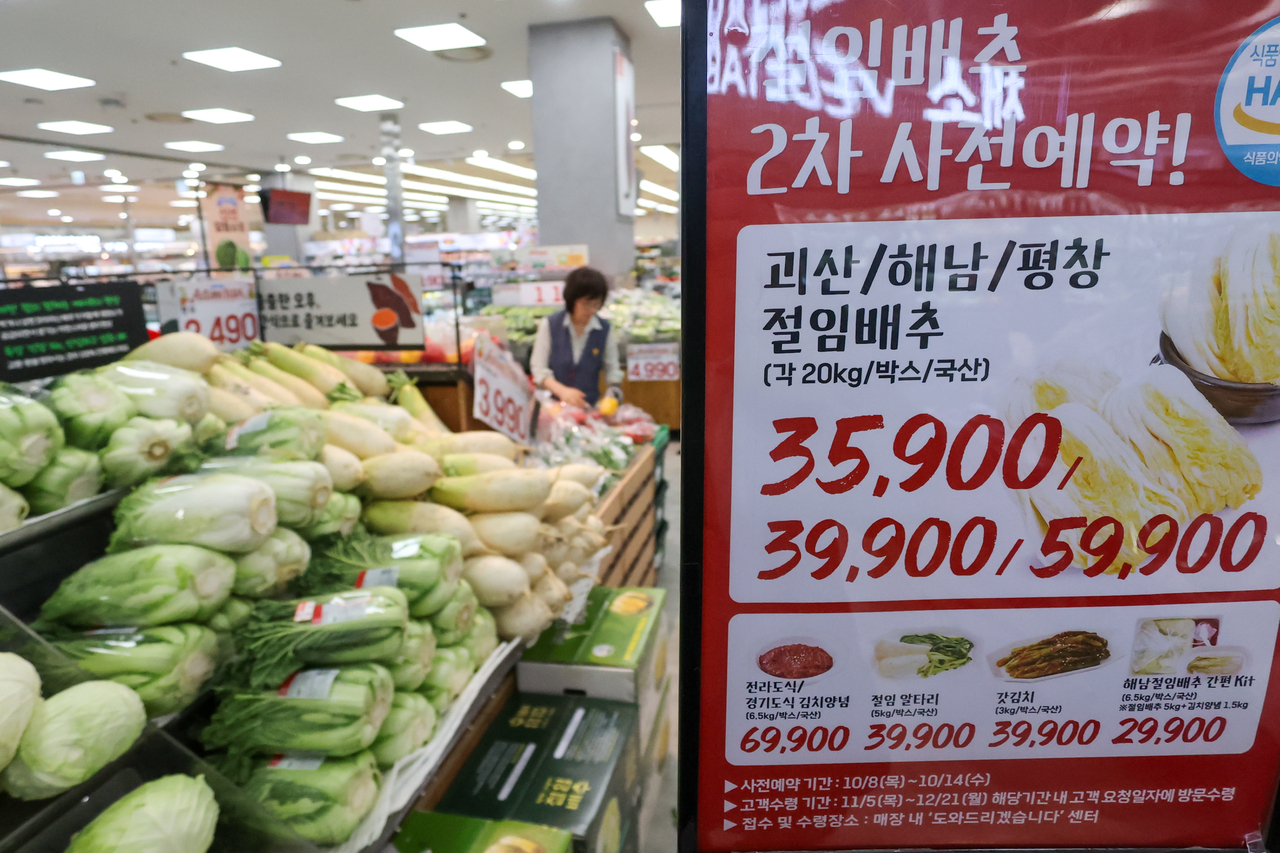
South Korea is not immune. Significant losses occur domestically during the storage and distribution of agricultural produce after harvest.
A study by Yonsei University researchers Kim Hye-young and Park Jin-won, published in the international journal Waste Management & Research in 2023, estimated that 34.1 percent of South Korea's 2015 supply of fruits and vegetables, meat and grains was lost or discarded somewhere along the supply chain.
Food waste volumes are also substantial. According to the "Korea SDG Implementation Report 2026" released in March by the National Data Research Institute under the Ministry of Statistics, about 5.37 million tons of food waste were generated in South Korea in 2023 — equivalent to 104.6 kilograms per person per year, or about 287 grams per person per day.
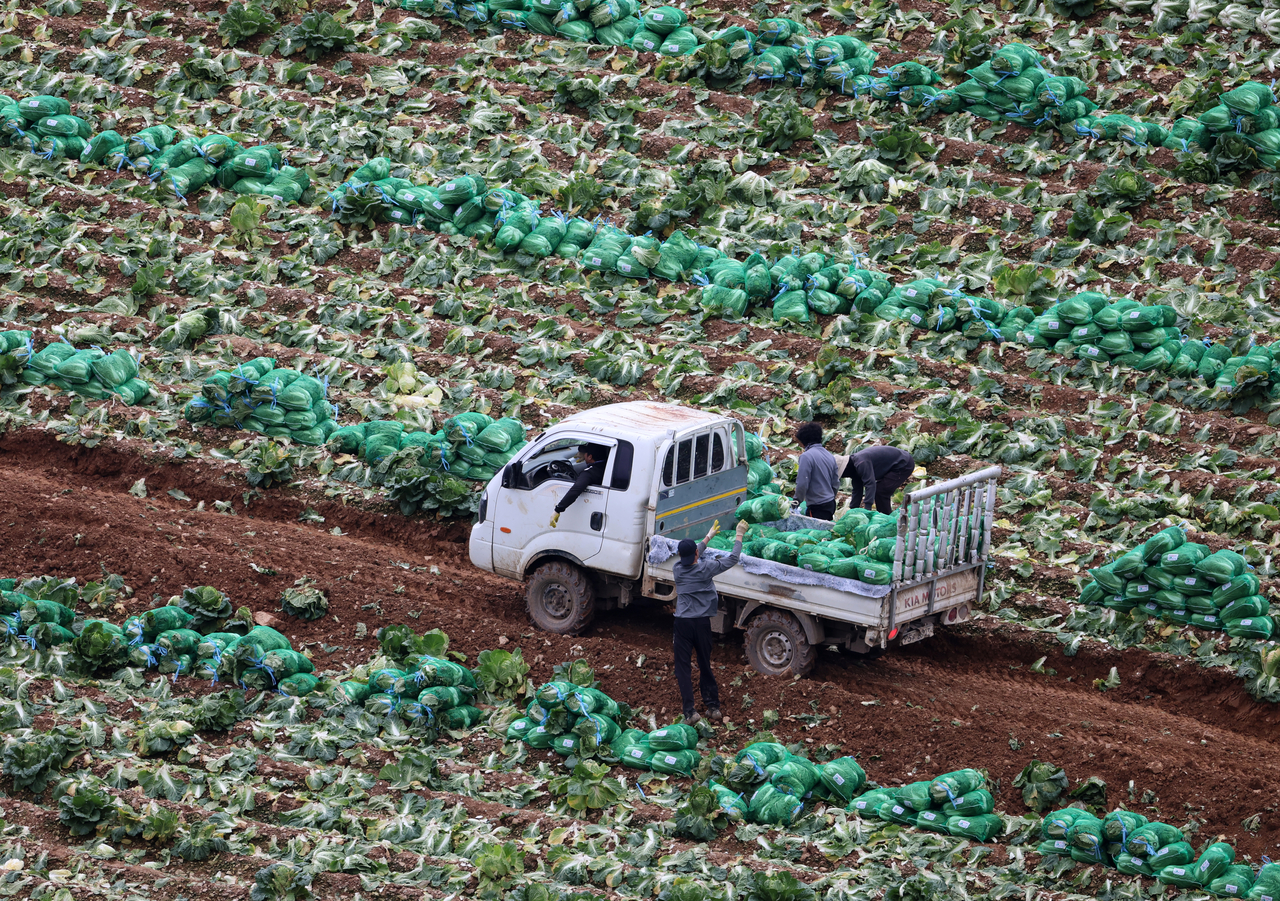
However, South Korea's food waste statistics combine household and small restaurant waste — classified as municipal waste — with food waste from non-emitting commercial facilities. That makes it difficult to determine precisely how much food is actually lost during production and distribution based on domestic food waste figures alone.
While research and estimates on post-harvest losses are being conducted domestically, there are still limitations in systematically tracking the country's overall food loss and waste against international standards.

UNEP calls on national and local governments, retailers and food service businesses to work together to measure actual waste volumes and set reduction targets. At the consumption stage, the agency points to ordering ingredients in line with actual sales, donating and redistributing surplus food, and encouraging households to buy and store appropriate quantities as key tools for cutting waste.
FAO Director-General Qu Dongyu said there had been "almost no progress in recent years" toward the SDG target of halving per capita global food waste by 2030.
"Food loss alone erases about $400 billion in market value every year," Qu added. "Reducing food loss and waste helps improve access to food and protect natural resources, while at the same time cutting greenhouse gas emissions."

woo@heraldcorp.com