Six greenbelt sites in Gimpo, Guri, Hanam fully released
Follow-up to Aug. 13 measures adds 76,700 units; groundbreaking by 2030
Gangnam-area sites such as Suseo and Naegok excluded
Experts say transport links and jobs will determine success
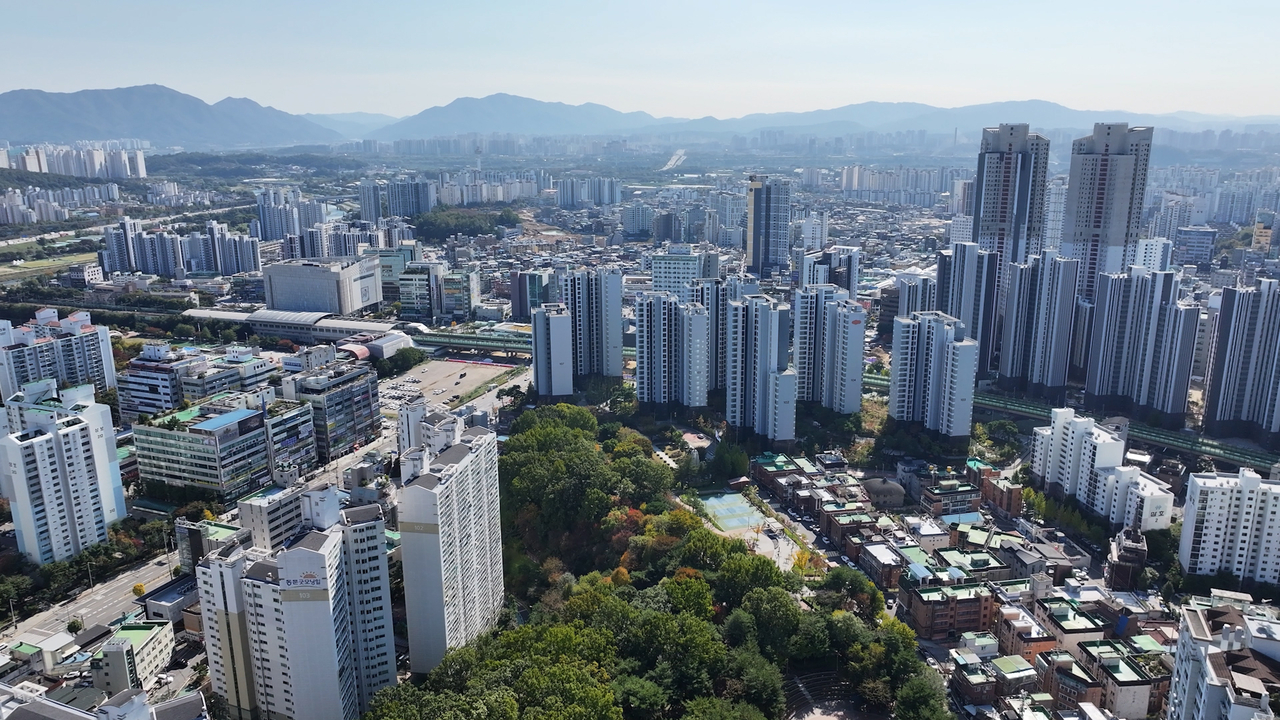
The government on Thursday unveiled six greenbelt sites in areas bordering Seoul — including Guri and Hanam in Gyeonggi Province — as the next wave of housing supply under its Aug. 13 measures. A total of 76,700 units are to break ground by 2030 at transit-accessible locations within roughly 5 kilometers of the Seoul city limits. Critics note, however, that not a single site falls within Seoul itself, and that transport improvements for many of the designated areas remain at the planning stage — meaning the real impact on housing supply will hinge on how quickly infrastructure can be built.
104,000 units by 2030: government touts Seoul proximity, transport links and jobs
The government announced six new metropolitan housing sites: Gimpo Ara (37,000 units), Guri Geonwon (14,600 units), Hanam Misa (12,000 units), Hanam Gamil (6,500 units), Uijeongbu Darakwon (2,600 units) and Goyang Daegok (4,000 units), for a combined total of 76,700 units.
The figure exceeds by 3,700 units the roughly 73,000 additional homes the government had pledged on top of the 27,200 announced under the Aug. 13 measures — which covered Gangseo-gu in Seoul (1,000 units), Namyangju in Gyeonggi Province (21,700 units) and Gwangju in Gyeonggi Province (4,500 units). The cumulative total of newly designated housing sites now stands at 103,900 units.
The six sites share three common attributes: proximity to Seoul, planned transport improvements and links to nearby employment centers. The government said it prioritized locations within roughly 5 kilometers of the Seoul city limits that are slated for metropolitan transport upgrades and can support self-sufficient communities through ties to industrial complexes.
Gimpo Ara, the largest site at 37,000 units, is set to benefit from an extension of Seoul Subway Line 5 that passed a preliminary feasibility study in March. The Ministry of Land, Infrastructure and Transport said demand for housing is high given the site's location along the Han River adjacent to Gangseo-gu.
A ministry official said the plan is to "create a self-sufficient residential zone where employment and housing are organically integrated" by linking the site to the nearby Han River Cinepolis general industrial complex and the Gochon logistics hub, adding that the area would become "the hub of the western metropolitan corridor connecting Gimpo and Seoul."
The Guri Geonwon site had long been stalled after an earlier plan to develop it as an e-commerce and advanced-industry city was shelved due to poor business viability. The government will convert the site into a public housing district supplying 14,600 units, highlighting that Jamsil Station is reachable within 30 minutes. Guri is close to Songpa-gu in Seoul and has seen a notable run-up in home prices: according to the Korea Real Estate Board, the cumulative increase in Guri apartment sale prices this year reached 13.1 percent as of Oct. 19.
Hanam, where apartment prices have risen 13.6 percent this year over the same period, will receive 18,500 units across two sites. The Hanam Misa K-Culture complex will account for 12,000 of those units; Subway Line 5 already serves the area, and extensions of Lines 3 and 9 are under way. The government said it will develop a K-Culture complex development plan to turn the eastern part of the greater Seoul area into a cultural hub.
The adjacent Hanam Gamil site will receive 6,500 units. The area offers good access to Olympic Park and the Han River, and the government plans to build a public transit network tied to the Line 3 extension under way nearby. A ministry official said that "once the Line 3 and Line 9 extensions are completed, access to major Seoul stations will improve significantly."
The Uijeongbu Darakwon site, which includes Camp Jackson — a former US Forces Korea base returned to South Korea — will supply 2,600 units. A notable feature is its proximity to Dobongsan Station, a transfer point for Subway Lines 1 and 7.
Goyang Daegok will receive 4,000 units, centered on Daegok Station, which is served by the GTX-A line and Subway Line 3. A ministry official described Daegok Station as a "penta transit hub" with five lines passing through it, saying the government plans to "connect the southern section of the Daegok Station site in a multi-layered way with the existing Goyang Daegok Knowledge Convergence District to develop a fully integrated transit-oriented zone."
Gangnam greenbelt left out; experts say transport plans are the key
Greenbelt sites near Gangnam that the market had anticipated — including the Suseo train depot and the Naegok-dong reserve forces training ground — were not included in the new designations. The Ministry of Land, Infrastructure and Transport said the selected sites are greenbelts that have already been degraded and hold low environmental conservation value, where unplanned development is either under way or at risk and where systematic development is needed. Greenbelt sites closer to Gangnam are understood to require further consultations with local governments before they can be designated.
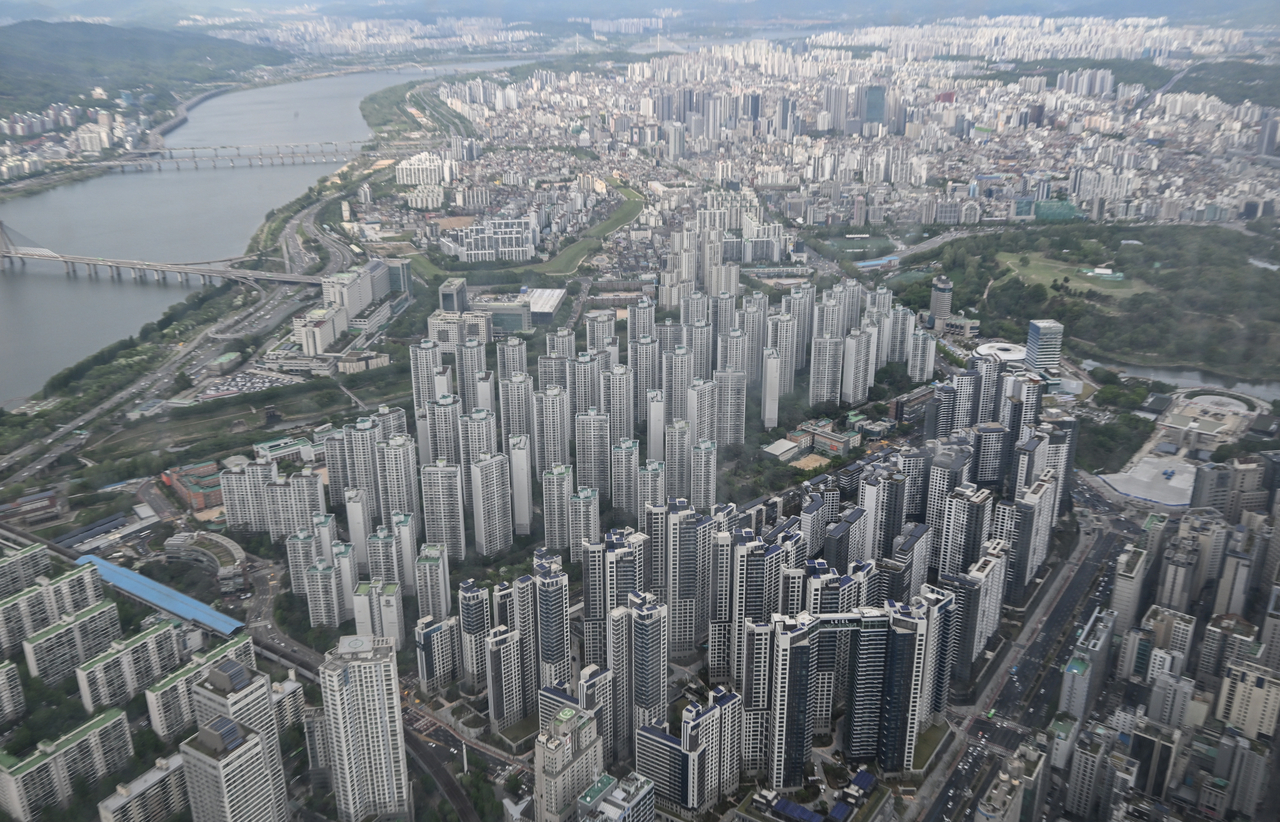
The government plans to accelerate supply by introducing an expedited groundbreaking model. Even so, analysts say it is too early to expect a direct impact on housing availability.
Ham Young-jin, head of Woori Bank's real estate research lab, said the 104,000 units "are not homes that will hit the market immediately — they must go through district designation, land compensation, infrastructure construction, and housing permits before residents can move in." Even if the 2030 groundbreaking target is met, additional time will be needed before actual move-in, Ham said, meaning "this package is more likely to ease medium- to long-term concerns about supply shortages and temper speculative sentiment than to immediately stabilize Seoul apartment sale prices or rental rates in the short term."
The actual housing demand drawn to the new sites will also depend heavily on how quickly transport infrastructure is expanded. Even locations geographically close to Seoul will struggle to absorb commuter demand if rail and public transit networks are not built on schedule.
Kim Hyo-seon, a senior real estate specialist at KB Kookmin Bank, said "what matters is how long it actually takes to commute to major business districts," adding that "since most of the transport improvements are either under way or still at the planning stage, the degree to which housing demand disperses will be determined by how quickly rail and other infrastructure is put in place."
Concerns about the new towns becoming bedroom communities — a recurring criticism of earlier new-town projects — have also surfaced. If the focus remains on housing supply alone, the result could be a growing commuter population with insufficient local jobs and an industrial base that never fully takes root.
Kim said sites such as Guri Geonwon "were originally intended as future employment facilities and are now being converted into housing supply sites," and that "for long-term urban sustainability, they need to go beyond being mere satellite cities and attract industrial facilities and jobs the way Pangyo has." Kim added that "if a balance between housing and employment is not secured, there is a real risk they will become bedroom towns."
hss@heraldcorp.com
hope@heraldcorp.com