12 preservation zones to be converted to redevelopment zones
Seoul to hold 14-day public review through Nov. 12
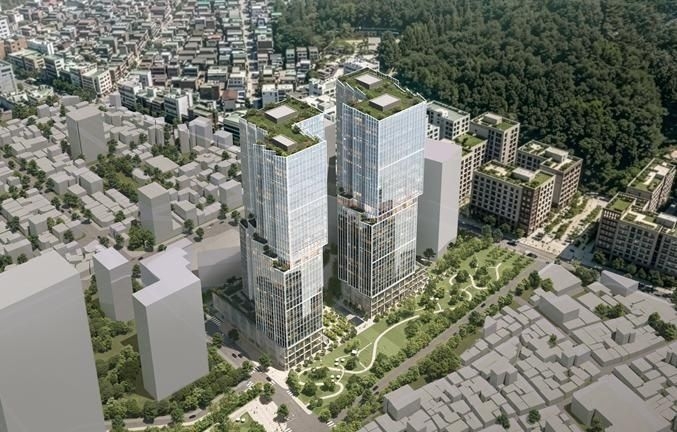
The Seoul Metropolitan Government plans to ease zoning upgrade requirements and relax floor area ratio and building coverage ratio regulations in the Sewoon redevelopment district to increase housing supply. Twelve preservation zones where projects have stalled for years will be converted into redevelopment promotion zones.
The city said it has drawn up a revised plan for the Sewoon Redevelopment Promotion District and will hold a 14-day public review from Thursday through Nov. 12.
The revision includes converting preservation zones into redevelopment promotion zones, splitting certain zones and easing the conditions required to upgrade land-use designations to central commercial zones. The city said the changes reflect its 2030 Urban and Residential Environment Improvement Master Plan, which calls for expanding downtown housing supply and creating mixed live-work neighborhoods.
Under the revision, the minimum non-residential use ratio required to upgrade a general commercial zone to a central commercial zone will be lowered from 50 percent to 20 percent. The change reduces the share of office and retail space required, opening more room for residential development.
Facility requirements for zoning upgrades will also be relaxed. Previously, developers had to secure a venture enterprise cluster facility with an exclusive use area of at least 1,500 square meters. Going forward, installing a community infrastructure facility of the same size will also satisfy the requirement.
The allowable floor area ratio for general commercial zones will rise from 800 percent to 880 percent, and the building coverage ratio ceiling will be raised from 50 percent to 60 percent. Projects that incorporate senior housing will receive additional floor area ratio incentives to encourage a broader mix of housing types.
Twelve preservation zones where redevelopment has been delayed for an extended period will be converted into redevelopment promotion zones. Zone 5-5, which is already undergoing a separate promotion process, is excluded from the conversion.
Taking into account development conditions, Zone 6-1-5 and Zone 6-2-2 will each be split into two zones. As a result, the total number of zones within the Sewoon redevelopment district will increase from 44 to 46.
Plans for turning the Sewoon arcade complex into a park will also be revised. The city concluded that securing replacement parkland through private redevelopment projects is unlikely to be feasible and dropped that approach from the plan. Instead, it will pursue the park conversion through existing urban planning facility projects and an integrated redevelopment of the Sewoon arcade complex.
The city said it will review opinions submitted by residents, landowners and other stakeholders during the public review period and incorporate them into the revised plan.
Kim Chang-gyu, head of the Seoul Metropolitan Government's Urban Space Bureau, said the revision "focuses on improving conditions for projects in areas where redevelopment has long been delayed and on increasing the supply of downtown housing and everyday amenities." Kim added that the city would "ensure the Sewoon district redevelopment proceeds without disruption while fully gathering residents' opinions."
quq@heraldcorp.com