Choosing a smaller unit reduces contribution burden and boosts refunds
Jamsil Jugong 5 members who switch from 82 sq. m to 59 sq. m receive 1.54 billion won back
Eunma apartment members also eligible for refunds when opting for smaller units
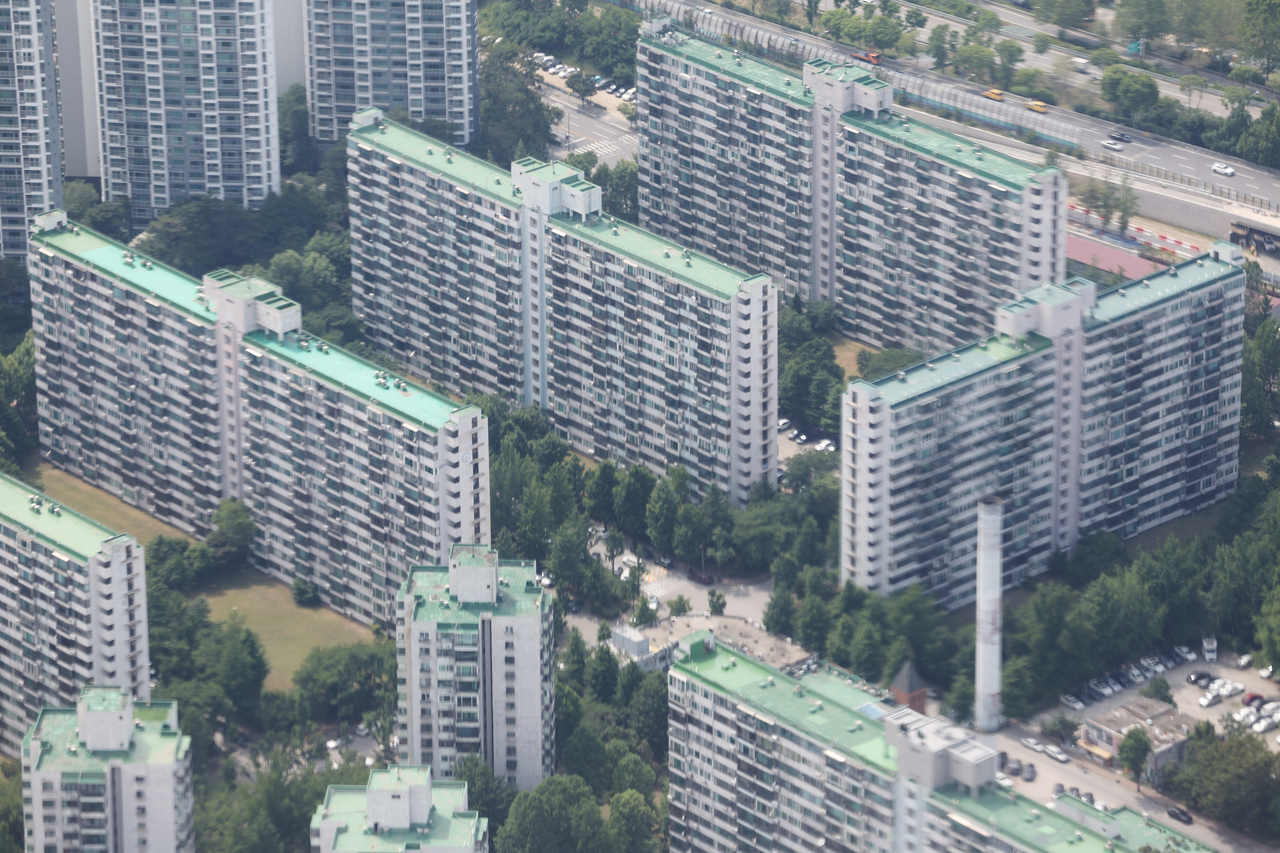
"Among older members, more and more feel that around 59 square meters is enough for a new apartment. The tax reform plan has not been finalized, but there is a growing concern that property tax burdens could rise for retirees with limited fixed income."
— A real estate agent in Jamsil-dong, Songpa-gu
A downsizing trend is emerging among members of Gangnam reconstruction associations, as concerns over tax burdens prompt some to opt for smaller units in their new apartments. While large units of 198 to 264 square meters were once strongly preferred, a growing number of members are now choosing the standard 84-square-meter unit — or even smaller 59-square-meter units — to secure cash refunds.
Jamsil Jugong 5 members switching from 76 sq. m to 59 sq. m eligible for 1.1 billion won refund
According to the reconstruction industry, the Jamsil Jugong 5 complex reconstruction association in Jamsil-dong, Songpa-gu, Seoul is accepting member pre-sale applications through Saturday. The new complex will comprise 6,411 units in total, including 831 rental units. General public pre-sale units number 1,534, accounting for 27.5 percent of the total, while member pre-sale units number 4,046.
With general pre-sale revenue reaching 4.47 trillion won ($3.38 billion), members stand to receive substantial refunds depending on which unit size they select. The smaller the unit chosen relative to the member's existing holding, the larger the refund.
According to the member pre-sale announcement, a member holding an existing 76-square-meter unit who applies for an 84-square-meter unit will receive a refund of 507.3 million won. Refunds for members holding 81-square-meter units reach 630.77 million won, while those holding 82-square-meter units are eligible for 860.54 million won.
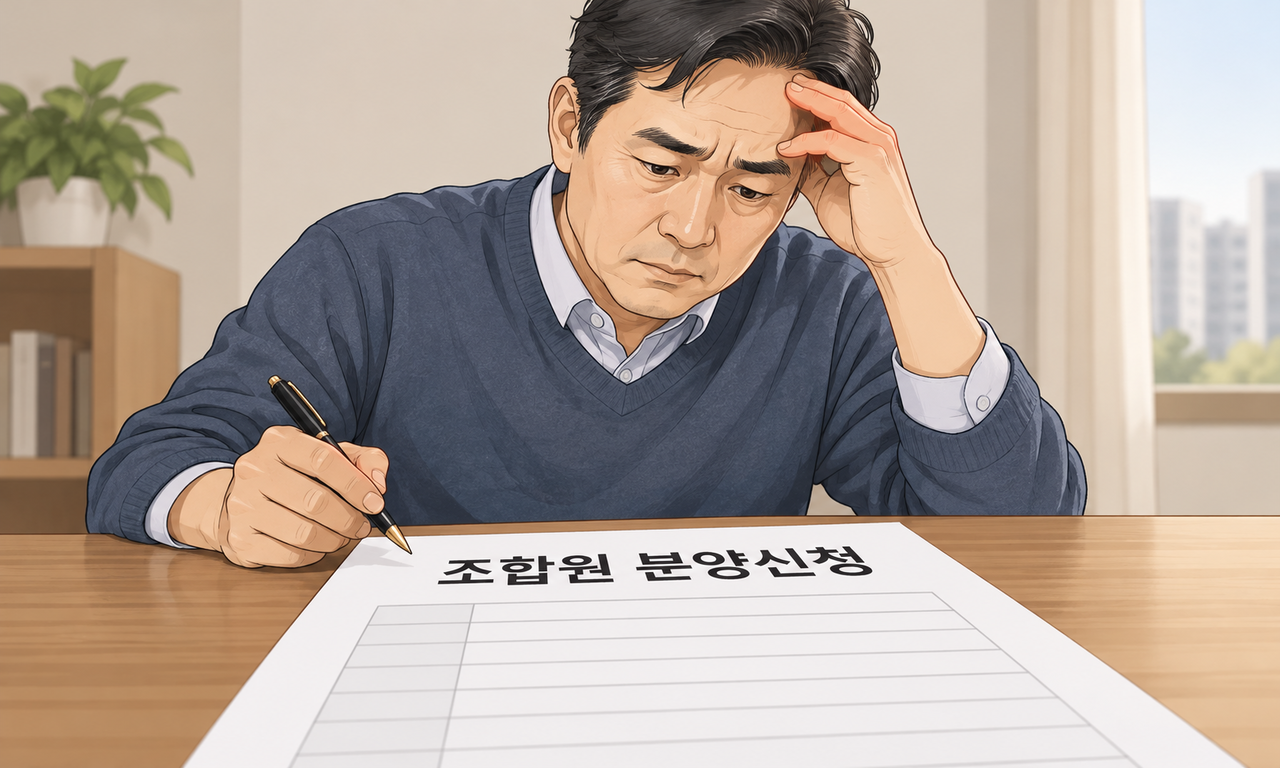
Among members, there is also a notable move to apply for 59-square-meter units, with future property tax burdens factoring into the decision. A member holding a 76-square-meter unit who opts for a 59-square-meter unit would receive a refund of 1.19 billion won. Members holding 81- and 82-square-meter units would receive refunds of 1.31 billion won and 1.54 billion won, respectively.
Property tax worries fuel preference for smaller units
A similar trend is visible at the Eunma apartment reconstruction project in Daechi-dong. The Eunma complex is being rebuilt into 5,850 units in total, with 4,406 units allocated to existing members, 340 units for general public pre-sale, and 1,104 units designated for public rental and public pre-sale.
Because general pre-sale revenue is limited at Eunma, members face a relatively heavier additional contribution burden. A member holding a 76-square-meter unit who applies for an 84-square-meter unit must pay an additional 744.2 million won. Even a member already holding an 84-square-meter unit who applies for the same size faces an additional contribution of 430.21 million won.
Choosing the smaller 59-square-meter option, however, flips the equation. A member holding a 76-square-meter unit would receive 128.37 million won back, while an 84-square-meter holder would receive 442.36 million won. The refunds are not as large as those at Jamsil Jugong 5, but forgoing a larger unit means avoiding the additional contribution burden altogether while still walking away with cash.
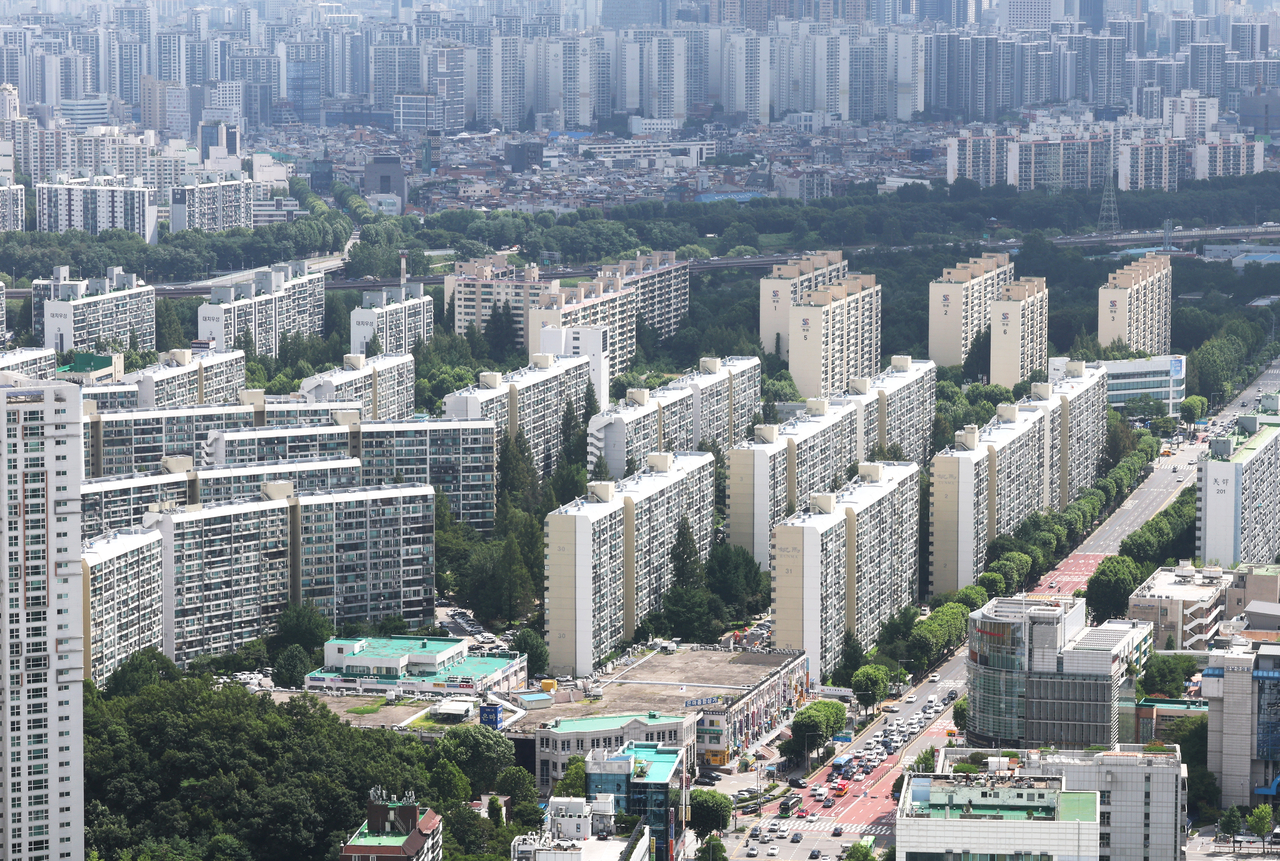
The primary driver behind the downsizing trend is concern that property holding taxes will rise sharply after reconstruction. Older members approaching or already in retirement face shrinking incomes while fixed costs — taxes and maintenance fees on high-value properties — continue to accumulate, making a smaller unit an increasingly attractive option.
The government's 2026 tax reform proposal has added to those concerns. The plan calls for raising tax rates on the portion of the comprehensive real estate tax base exceeding 600 million won and simplifying the tax structure from a unit-count basis to a value-based system. It also proposes raising the comprehensive real estate tax rate on the bracket between 600 million won and 1.2 billion won from the current 1.0 percent to 1.3 percent, and lifting the fair market value ratio from the current 60 percent to as high as 80 percent depending on the number of units held and whether the property is in a designated adjustment zone.
The actual tax impact will vary by member depending on the number of units held, the publicly assessed price, and the length of residency, but the prospect of higher taxes on high-value properties is already influencing members' decisions.
The head of a real estate agency near Daechi-dong said that given the neighborhood's high concentration of professionals, relatively few members are yet willing to downsize to the point of receiving a refund, but added that some members do come in to inquire about 59-square-meter units.
hss@heraldcorp.com