Visits robotics unit on anniversary of chairmanship
Pushes future growth amid DX division losses
On-site management signals resolve to grow
'R&D investment must not waver,' Lee says
HBM4 momentum drives record earnings outlook
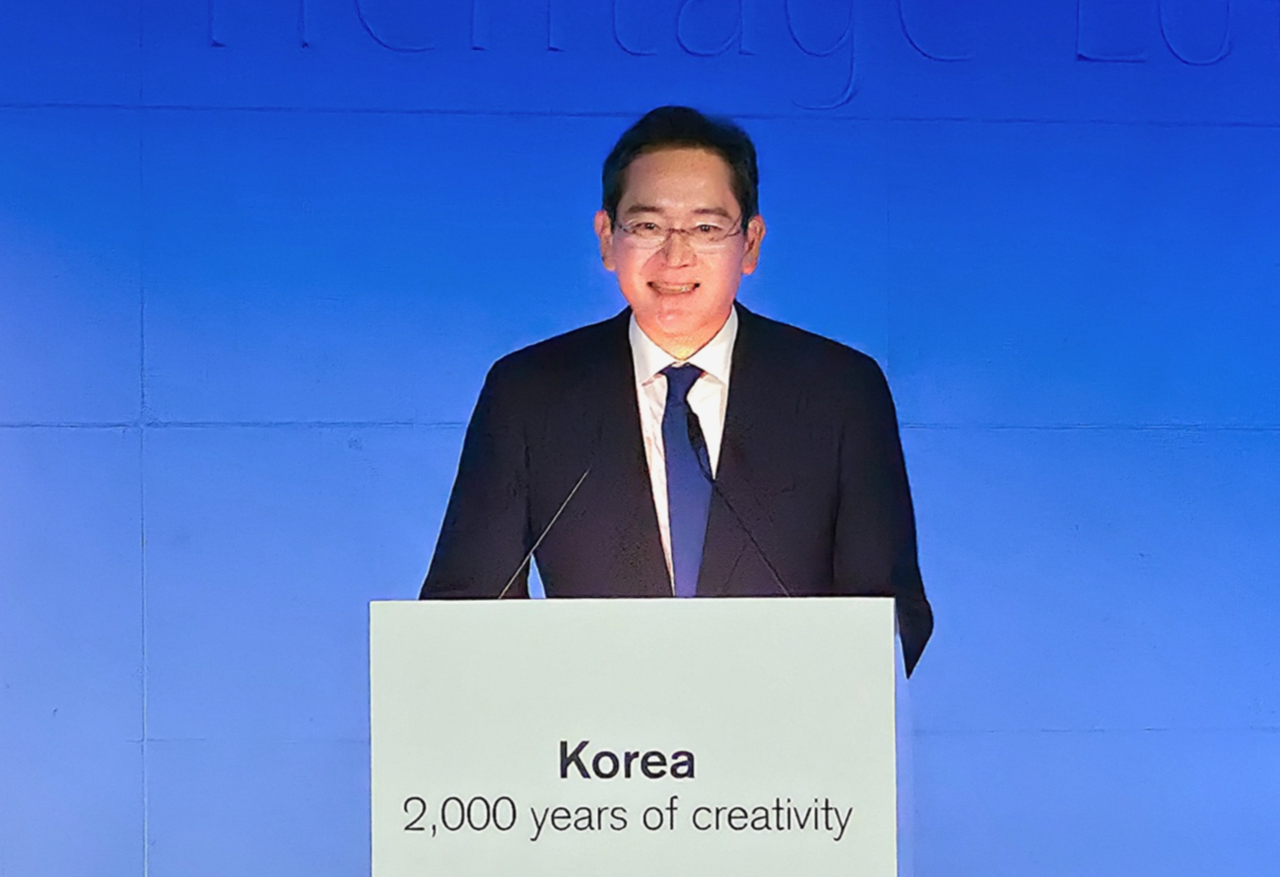
Samsung Electronics Chairman Lee Jae-yong marked the fourth anniversary of his chairmanship Tuesday by skipping any formal celebration and instead visiting the company's robotics business unit, sending a clear signal of his commitment to securing future technologies.
Lee visited the Robotics Experience (RX) Business Unit — launched in July by consolidating the company's scattered robotics personnel and organizations under one roof — underscoring his push to accelerate the pace of Samsung's robotics business.
Lee had visited the UAE on Wednesday (local time) to encourage employees of Samsung C&T and Samsung E&A, and as in previous years, he passed on a formal anniversary event, choosing instead to let his on-site management activities speak for themselves.
Since his promotion from vice chairman to chairman on Oct. 27, 2022, Lee has navigated legal risks, the semiconductor division's first-ever operating loss and criticism over Samsung's late response to the high-bandwidth memory market. Analysts say he has largely put those challenges behind him this year, and his management moves now carry noticeably greater confidence.
Robotics push gathers pace as DX division struggles
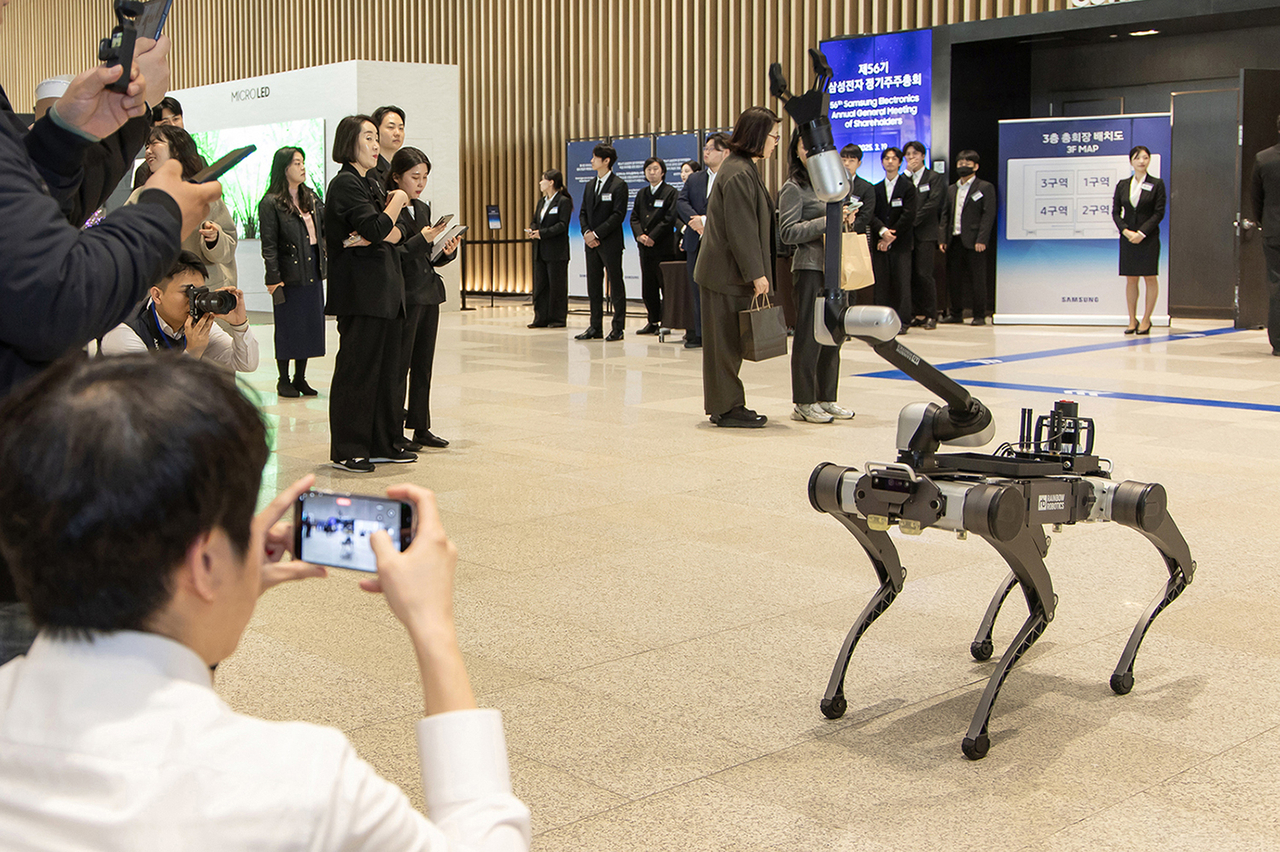
Lee chose a visit to the RX Business Unit at Samsung Electronics' Seoul R&D Campus in Umyeon-dong, Seocho-gu, as his way of marking the fourth anniversary of his chairmanship.
The RX Business Unit reports directly to Device Experience (DX) Division President Roh Tae-moon and brings together the Samsung Future Robotics Promotion Group — established following the acquisition of Rainbow Robotics — the Robot Center under Samsung Research, and the robotics researchers from the Production Technology Research Institute, which conducts advanced research into future manufacturing technologies for the DX division.
By consolidating Samsung Electronics' previously dispersed robotics capabilities under the RX Business Unit, Lee aims to maximize synergies and deliver results quickly.
The Seoul R&D Campus, where the RX Business Unit is based, was also the first on-site destination Lee chose for the new year in January 2024.
On that visit, Lee called on Samsung Research staff, saying, "The harder the times, the more we need preemptive R&D and unwavering investment" — a message he has consistently delivered in pushing for differentiated new-technology development.
The robotics business is seen as a key alternative to offset the sluggishness hanging over Samsung Electronics' DX division. The finished-product business, which had long been one of the pillars of Samsung's growth, has been posting recurring losses amid intensifying competition and a sharp rise in component costs.
The Mobile Experience (MX) division in particular recorded its first-ever operating loss in the second quarter, and the deficit is estimated to have widened further in the third quarter.
Lee's visit to the RX Business Unit is expected to set the tone for the regular personnel reshuffle scheduled for mid-November, with AI and robotics business leaders likely to be elevated. The reshuffle is also expected to carry a message of sweeping reform and competitiveness enhancement across the DX division as a whole.
Broad global push expands semiconductor alliances
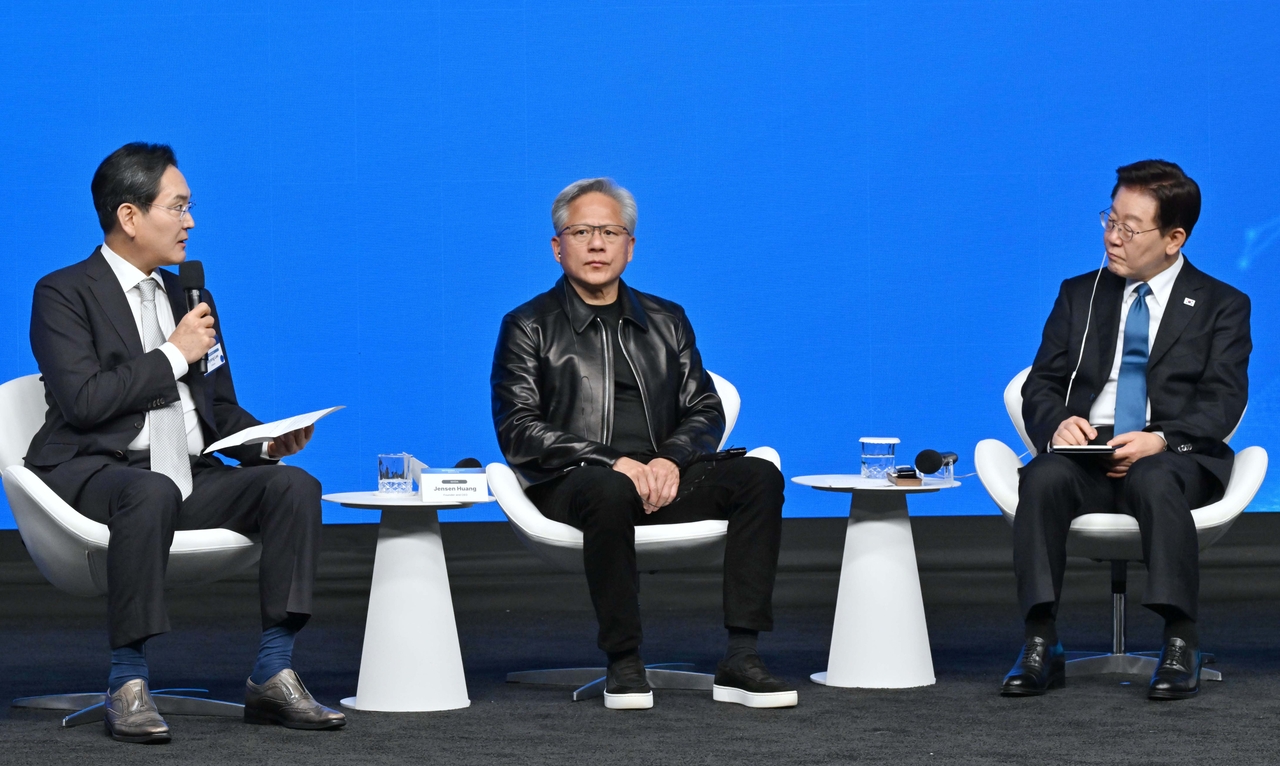
Lee's external activities this year have centered on expanding semiconductor alliances and strengthening technological competitiveness in Samsung's core business.
In March, he met with AMD CEO Lisa Su and secured a commitment to prioritize HBM4 supply. In July, he signed a landmark deal worth $200 billion with Broadcom, the behind-the-scenes architect of the AI semiconductor market.
He also held a series of meetings with leading global AI players — including Nvidia, OpenAI and Anthropic — to consolidate Samsung's position in the memory chip business while exploring opportunities to expand its foundry operations.
In September, he met with French AI company Mistral AI and announced plans for a large-scale equity investment alongside a joint development program for an AI model tailored to semiconductor manufacturing.
Lee's prominent presence on the global stage is seen as giving fresh momentum to Samsung's efforts to expand memory chip supply, including HBM, and to identify new business opportunities in the AI computing market.
Core semiconductor strength on display as Samsung eyes world's top operating profit
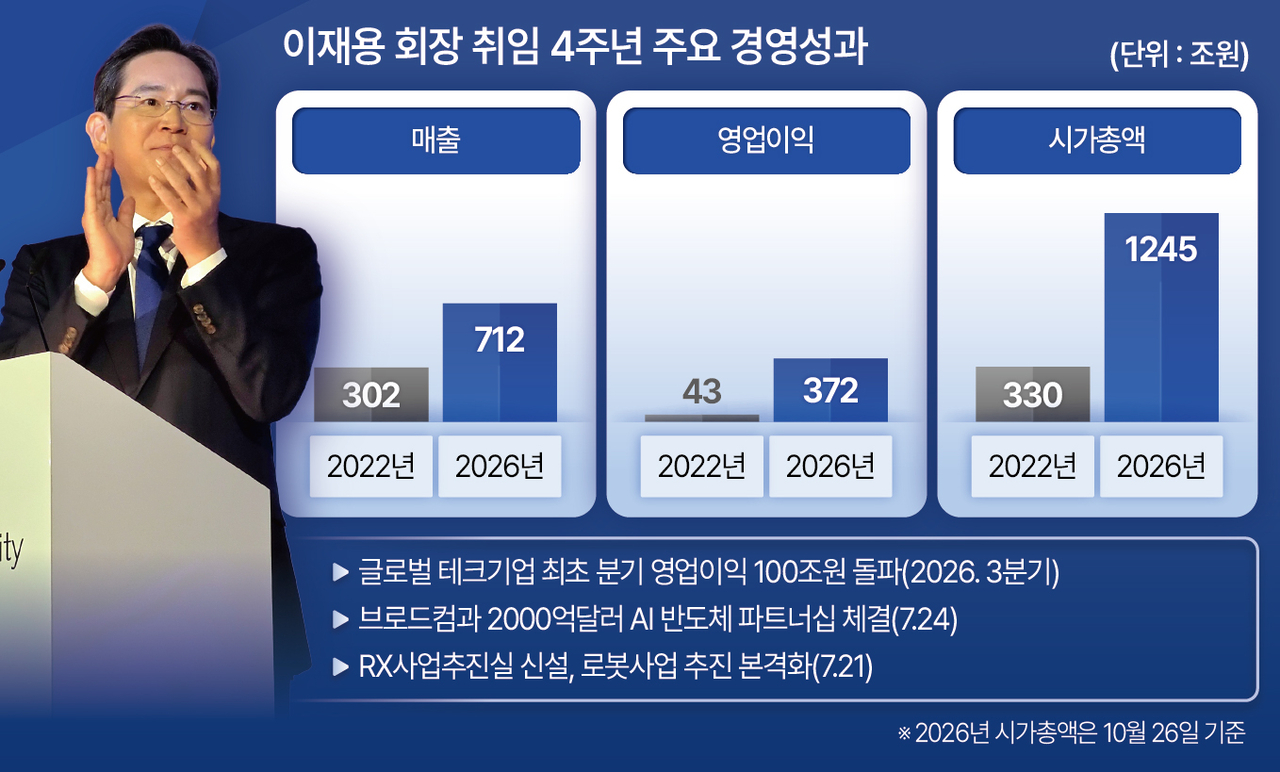
Samsung Electronics' annual sales stood at 302 trillion won ($228 billion) in 2022, the year Lee took the helm. This year, that figure is on track to reach 712 trillion won — a 136 percent increase. Operating profit is expected to surpass 370 trillion won, roughly nine times the 43 trillion won recorded in 2022.
The 107 trillion won in operating profit Samsung achieved in the third quarter alone ranks among the highest of any technology company in the world this year. Analysts project that on an annual basis, Samsung could surpass Nvidia and claim the title of the world's most profitable company by operating profit.
Behind this remarkable turnaround in just four years is the explosive growth of the semiconductor business, which is enjoying an unprecedented run of strength.
As recently as 2023, the semiconductor division posted trillion-won losses every quarter, with annual losses approaching 15 trillion won. In 2024, a slow response to the HBM market allowed rivals to seize the initiative.
This year, however, Samsung won recognition for the performance of its sixth-generation HBM4 — the first in the industry to enter mass production, in February — prompting widespread assessments that "Samsung is back." As the HBM business rapidly normalized, the company's core competitiveness returned.
As market expectations for Samsung Electronics' semiconductor business have risen, its market capitalization has surged roughly 277 percent — from 330 trillion won at the end of 2022, Lee's first year as chairman, to 1,245 trillion won as of Monday, based on common shares.
Aggressive R&D investment through the downturn bears fruit in HBM4 success
Lee's aggressive investment philosophy is widely credited as the driving force behind Samsung Electronics' rapid return to form after two years of crisis.
Even as the business environment deteriorated, Lee consistently called for bold investment to prepare for the future. During a visit to Samsung Electronics' Onyang and Cheonan sites in February 2023, he declared, "There must not be even the slightest wavering in investment in future technologies."
In 2024, a year when Samsung faced criticism that its memory technology had fallen behind, the company's research and development spending exceeded 30 trillion won for the first time — rising 23.7 percent year-on-year to about 35 trillion won.
In 2025, Samsung committed 37.7 trillion won to R&D, its largest investment on record. By simple calculation, that amounts to more than 100 billion won poured into technology development every single day.
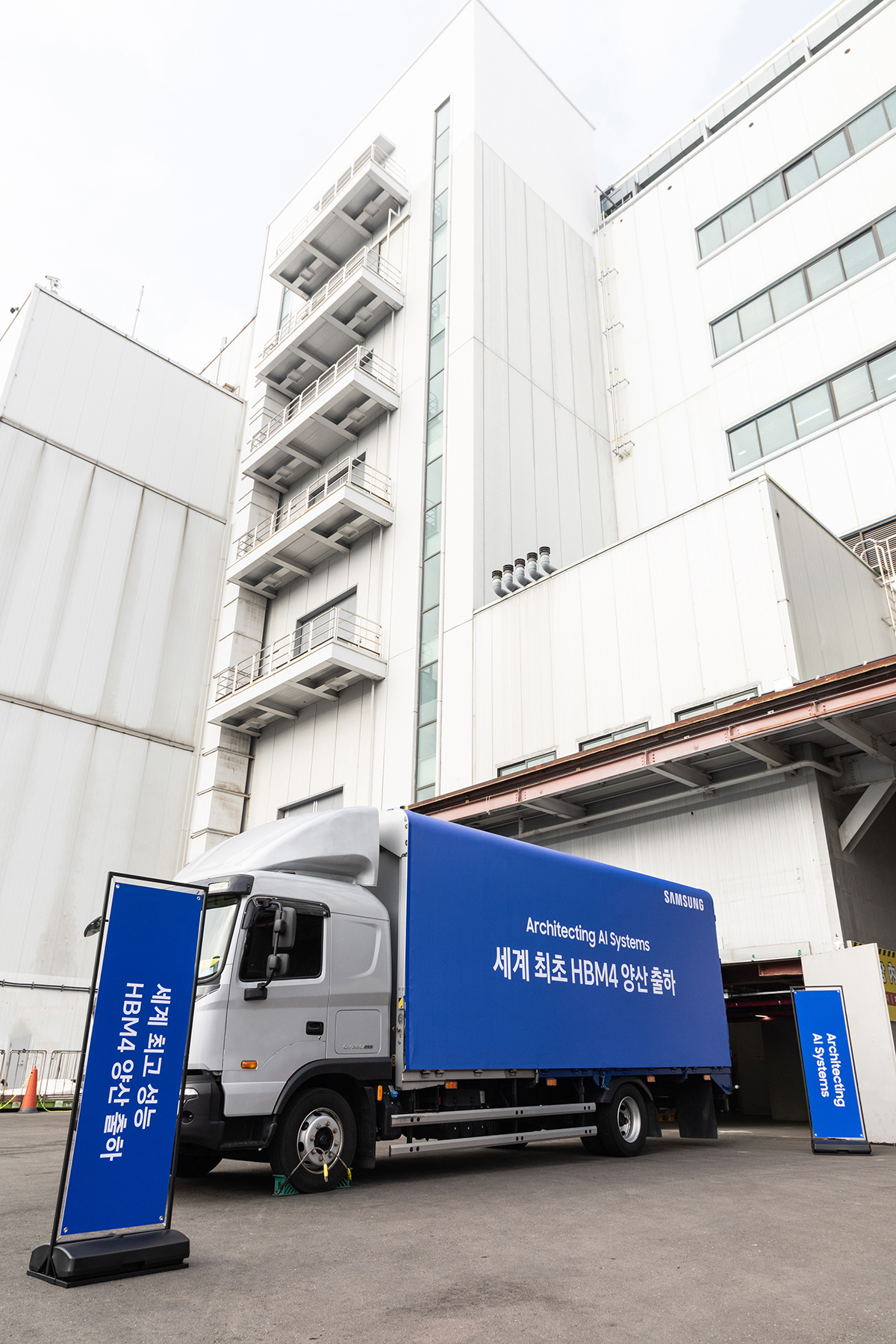
Even through the crisis, Samsung did not hold back on R&D spending to secure future technology leadership or on investment to expand production capacity for advanced memory including HBM. As a result, the company became the first to deliver mass-produced HBM4 — the highest-performing in the industry — to customers in February of this year.
joze@heraldcorp.com