City plans to bury new facility below ground, open surface as park; residents pushed back at January briefing
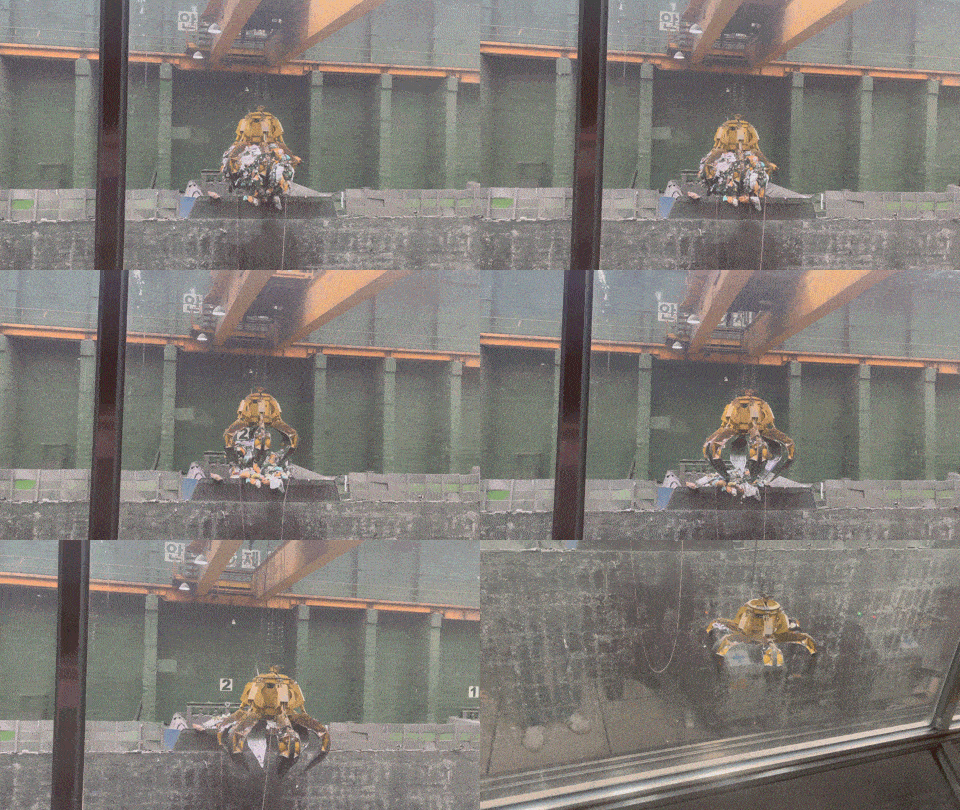
The Seoul Metropolitan Government has settled on a plan to rebuild the Gangnam Resource Recovery Facility — the city's largest incinerator — underground at a capacity of 1,150 tons and has commissioned an environmental impact assessment for the project. Winning over local residents remains the central challenge.
Seoul recently put out a tender for an environmental impact assessment for the Gangnam Resource Recovery Facility modernization project, timed to coincide with the completion of a master plan study due next month. "The master plan, set to be finalized in December, is being drawn up around the idea of building a new 1,150-ton incinerator below the idle land on the site, with the surface converted into open space such as a park," a Seoul city official said. "The environmental impact assessment will proceed in the same direction." The city had previously presented residents with two options: remodeling the existing facility while building a separate 250-ton incinerator, or demolishing the current structure and rebuilding on the idle land with capacity expanded from 900 tons to 1,150 tons.
The environmental impact assessment is a mandatory step for approval from the Ministry of Climate, Environment and Energy. It aims to forecast and analyze the effects of the modernization on air, water, soil, natural ecosystems, living conditions and the socioeconomic environment, and to establish mitigation measures.
The Gangnam Resource Recovery Facility, completed in December 2001, is now 25 years old. It currently handles 900 tons of waste per day, but aging infrastructure has pushed its operating rate down to 88 percent. Seoul has been conducting a feasibility study and master plan for the facility's modernization since March last year and is now in the final stages.
The existing facility has a total floor area of 27,000 square meters, while the overall site covers 63,000 square meters. The plan calls for building a new resource recovery facility underground on the idle portion of the site, then demolishing the existing structure. Seoul is targeting a ground-breaking in 2029 and full operation by 2033.
The city held a first public briefing on the modernization plan in January, drawing about 400 Gangnam-gu residents. Attendees pushed back, arguing the city was using the "modernization" label to slip in a capacity expansion. They said it was difficult to accept — on grounds of fairness and policy consistency — a plan to add more capacity to a facility already handling the largest volume among Seoul's four public incinerators, which also serve Nowon, Mapo and Yangcheon districts. The Gangnam facility is the biggest of the four and acts as a regional hub processing household waste from eight autonomous districts.
Gangnam-gu District Mayor Jo Seong-myeong said at the time in a press release that the modernization "is a sensitive matter directly tied to residents' health and property rights" and that "procedures that sufficiently reflect residents' opinions must be a prerequisite." Jo added that the district would "work closely with Seoul to develop a plan residents can accept, and above all, seek a rational solution together with them."
A Seoul city official said the city plans to hold community meetings to build resident support once the master plan is finalized next month. "Expanding capacity by 250 tons is the city's current goal, but it could change depending on the outcome of the public consultation process," the official said.
cook@heraldcorp.com