Two empty shops to be connected into a photo zone targeting foreign tourists and young visitors
Local celebrities and neighborhood stories to anchor content; cultural draw aimed at boosting merchant sales
Tie-in with Ministry of SMEs and Startups' 2026 traditional market program under consideration
Plans are underway to transform vacant stalls inside Sangdo Traditional Market in Seoul's Dongjak-gu into a cultural and tourism destination for foreign visitors and young Seoulites. The idea is to introduce locally themed content into the market's empty spaces, draw more foot traffic and ultimately translate that into higher sales for merchants.
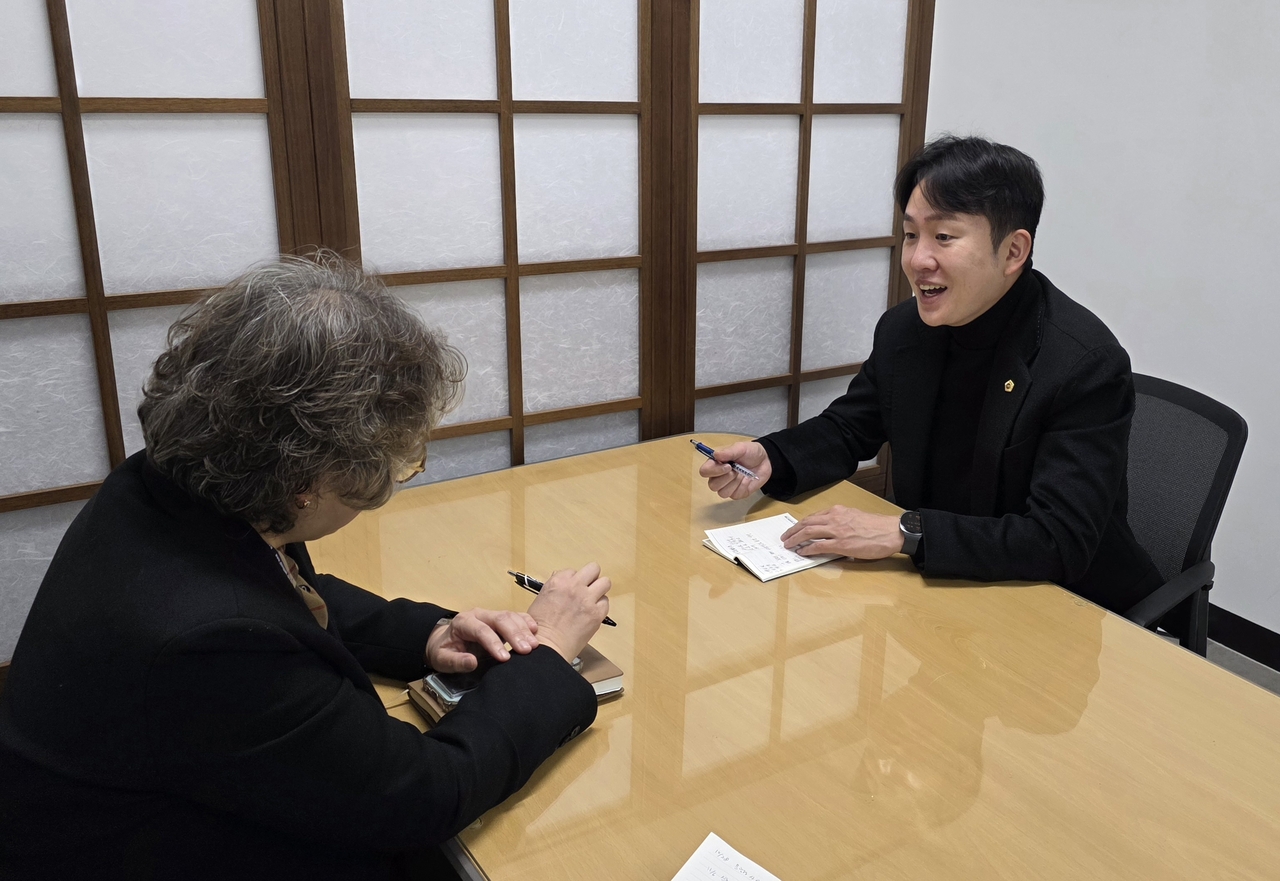
Seoul Metropolitan Council member Noh Seong-cheol of the Democratic Party of Korea, representing Dongjak District 3, said Thursday that Noh met with Park Eun-ok, head of Dongjak-gu's commercial district revitalization division, to discuss connecting two adjacent vacant stalls inside Sangdo Traditional Market and repurposing them as a photo zone and cultural space.
The proposal aims to move the traditional market beyond its role as a simple buying-and-selling venue, developing it into a multipurpose space where visitors can experience local culture and tourism alongside shopping.
At the heart of Noh's concept is cultural content built around celebrities from Dongjak-gu and stories rooted in the neighborhood. The plan calls for linking two neighboring vacant stalls into a single space where visitors can take photos and engage with locally distinctive content.
The initiative is particularly aimed at giving foreign tourists — who have shown strong interest in Korean popular culture — a new reason to visit Sangdo Traditional Market, while also drawing in younger visitors who tend to frequent traditional markets less often.
Noh said the lawmaker had long envisioned creating a cultural space using vacant stalls to breathe new life into Sangdo Traditional Market, but had been unable to move the idea forward because suitable space was hard to secure. The recent availability of two empty stalls has created conditions to explore the project in concrete terms.
During the discussions, Noh said the space should not stop at simply offering a spot for photographs. The layout, Noh said, should guide visitors naturally through the market so they browse and purchase food and goods along the way.
The goal is to build a virtuous cycle in which tourists who come for photos and cultural experiences become paying customers inside the market and eventually return for repeat visits.
Another factor behind the initiative is Sangdo Traditional Market's selection for the cultural tourism category of the Ministry of SMEs and Startups' 2026 traditional market development program.
Noh said the market should leverage that program to expand its cultural and tourism offerings and develop a differentiated revitalization strategy that reflects the character of the local commercial district.
The underlying argument is that traditional markets competing against large retail chains and the spread of online shopping must strengthen cultural elements that make a visit an experience in itself — not just rely on price and product selection.
Noh added that combining Sangdo Traditional Market's local identity with Dongjak-gu's cultural assets could attract not only existing residents but also new consumer groups.
Noh said the project could put idle market space to use while generating new visitor demand for the commercial district. However, further review is still needed on the feasibility of using specific stalls, the project budget, content planning and who would operate the space.
Dongjak-gu officials and other stakeholders plan to hold follow-up consultations on the layout, participants, funding and operational arrangements. They will also examine how to link the cultural space to foot-traffic routes inside the market and develop accompanying programs to ensure the initiative produces real sales gains for merchants rather than a one-off surge in visitors.
"I want to give new customers a reason to come to Sangdo Traditional Market," Noh said. "We will bring in foreign tourists through a photo zone built around celebrities from Dongjak-gu and local stories, and turn this into a market that young people visit regularly."
Noh added that now that conditions are in place to discuss the long-envisioned plan for vacant stalls in concrete terms, the goal is to work closely with Dongjak-gu to finalize an approach that translates the cultural space into real sales growth and renewed vitality for the market.
7toy7@heraldcorp.com