Seoul Metropolitan Government analyzes buildings that underwent architectural review over past 5 years
Projected output equals about 85% of all renewable energy installations over past 17 years
City to expand use of building-integrated photovoltaics
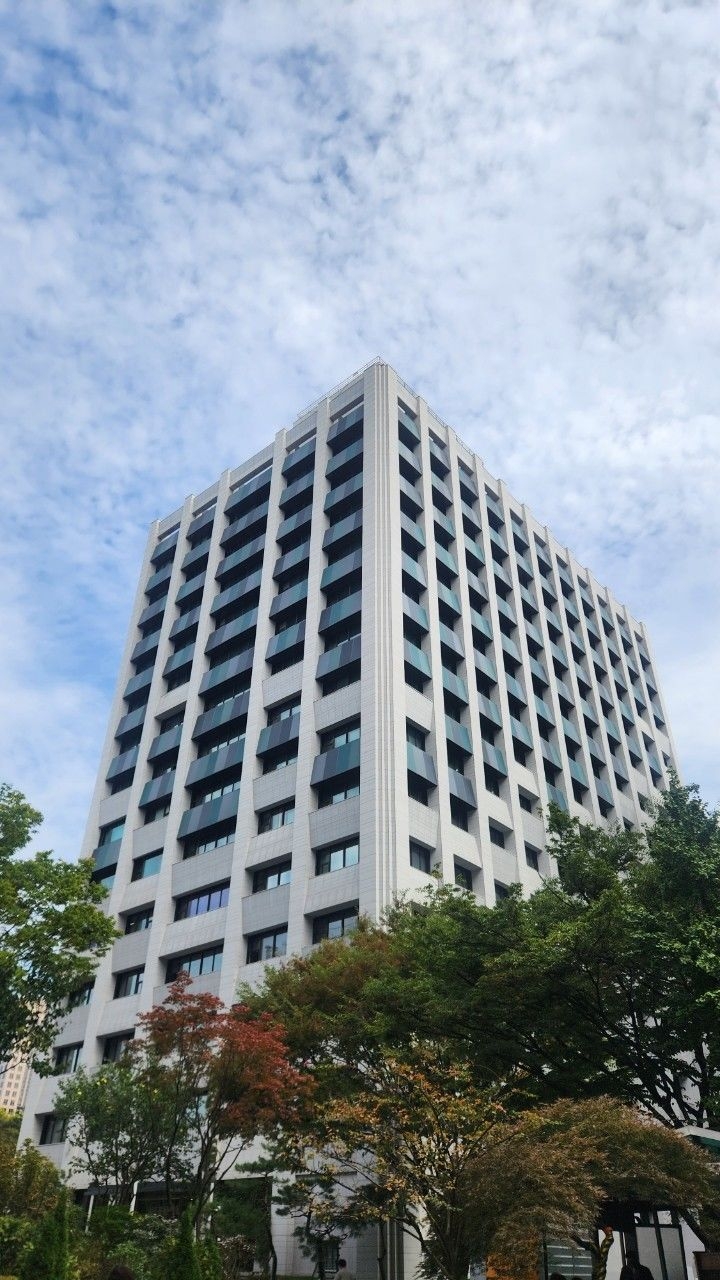
Buildings that underwent architectural review in Seoul over the past five years are projected to generate renewable energy equivalent to 1.5 times the annual output of the city's thermal power plant, according to a new analysis.
According to the Seoul Metropolitan Government, the estimated annual renewable energy output of buildings that received architectural review between 2022 and 2026 stands at approximately 3,811 gigawatt-hours, calculated based on installed equipment reflected in building designs at the time of completion. That figure is 1.5 times the roughly 2,538 GWh generated last year by the Seoul Thermal Power Plant, formerly known as the Danginri Power Plant.
"This is the result of expanding the installation of renewable energy systems such as solar and geothermal from the architectural design stage," a Seoul Metropolitan Government official said.
The projected annual output from these buildings equals about 85 percent of the 4,506 GWh produced annually by all renewable energy facilities installed in Seoul over the 17 years from 2008 to 2024. Compared with Seoul's total electricity consumption of 45,791 GWh, it represents roughly 8 percent.
By energy source, the projected annual output breaks down as follows: solar power at 1,916 GWh, geothermal at 788 GWh, and other energy sources at 1,107 GWh.
To improve the energy performance of buildings, the city revised its Green Building Design Standards and has been enforcing them since January last year.
Under the revised standards, the city has tightened requirements for installing renewable thermal energy systems — including geothermal and hydrothermal — in non-residential buildings with a total floor area of 30,000 square meters or more, and is expanding the use of building-integrated photovoltaics (BIPV), which combine solar power generation with building materials.
Geothermal systems work by releasing indoor heat into the ground during summer and drawing heat from the ground during winter for use in heating and cooling.
In addition, the Seoul Metropolitan Government plans to move away from curtain-wall-look finishes — glass panels attached to the exterior walls of apartment buildings — citing concerns over construction costs, maintenance issues with glass cladding, and environmental damage caused by light reflection. Instead, the city said it will expand the use of BIPV on exterior walls to enable on-site power generation.
ken@heraldcorp.com