Overseas sales of a beloved Korean milk drink nearly doubled in four years
Samyang Foods' Buldak noodle series surpasses 10 billion units sold
Seaweed, dubbed 'the black semiconductor,' draws global attention
South Korea's agri-food exports hit $10 billion in record time
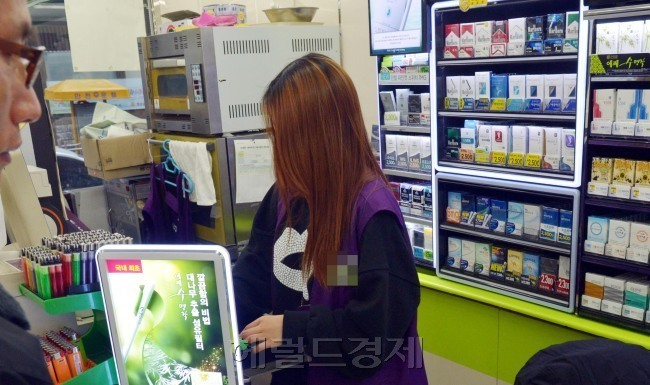
"I visited a convenience store at Olympic Park not long ago and saw someone filling an entire bag with banana milk — you know, the kind we've been familiar with since childhood. It was a foreign tourist. I even saw them pour the banana milk into a cup of ice and top it off with espresso. I remember thinking, what kind of combination is that? But apparently it's already a well-known recipe abroad — I saw it in a video." — Shin, a university student in her 20s.
Foreign tourists buying and drinking banana milk at Korean convenience stores has become a recognizable scene in its own right — a new fixture of the Korean travel experience.
Overseas sales of Binggrae's banana milk, which commands more than 80 percent of the domestic market, have nearly doubled over the past four years, Yonhap reported.
Last year's overseas sales were up 96 percent compared with 2021, and the number of export markets expanded from 18 to 25 countries over the same period, Binggrae said.
Overseas sales for the first nine months of this year also rose 12.7 percent from the same period last year, sustaining double-digit growth.
Binggrae has been stepping up marketing efforts domestically as well, targeting foreign tourists visiting South Korea. The company expanded dedicated banana milk display shelves — first introduced at a CJ Olive Young store in Myeong-dong, a popular tourist district in Seoul — to CJ Olive Young locations in Hongdae and Busan.
Dedicated displays and promotional materials have also been set up at Incheon International Airport and in Jongno, other areas frequently visited by tourists, making the drink easy to find.
The efforts appear to be paying off. A drink dubbed the "Ddungba latte" — made by mixing Binggrae banana milk with Americano espresso and ice — has gone viral among foreign tourists through SNS.
Model Hailey Bieber, wife of Justin Bieber, posted what appeared to be a Ddungba latte on Instagram during a visit to South Korea in May.
On a more recent trip to South Korea, Bieber posted photos of banana milk on the same account. The post drew more than 2.08 million likes. Bieber's Instagram account has about 58.88 million followers.
American singer Charlie Puth and Hollywood actor Emma Roberts have also posted banana milk drink recipes on SNS during their respective visits to South Korea.
Binggrae said it plans to continue expanding consumer touchpoints at home and abroad while strengthening product and retail strategies tailored to each overseas market, sustaining the drink's international growth momentum.
Ramyun carries K-food torch alongside drinks
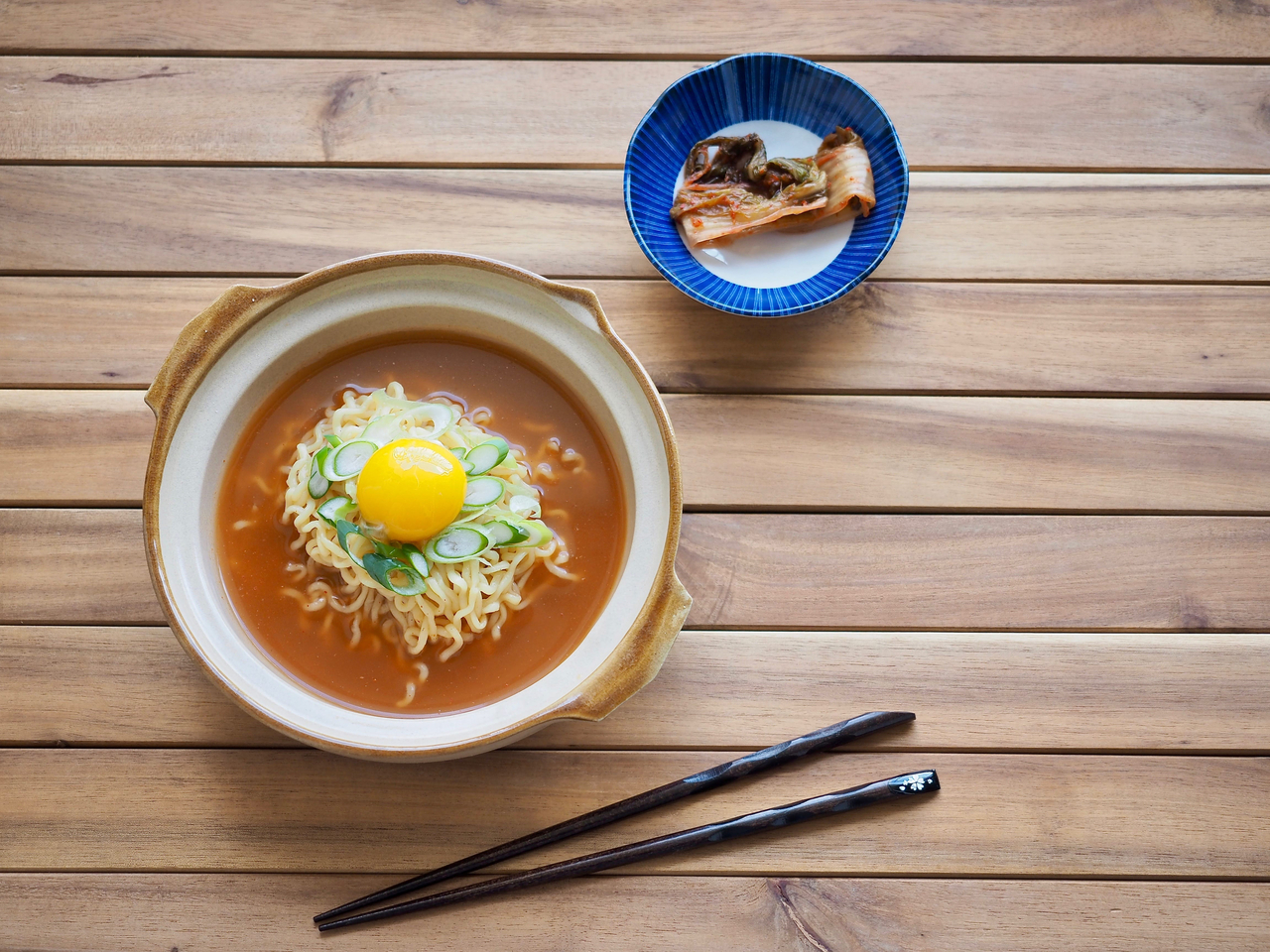
"I was surprised when I visited a convenience store in Singapore recently. There were so many ramyun products with Korean writing on them." — Park, an office worker in his 30s.
Ramyun is also playing a leading role in raising the profile of K-food worldwide.
Samyang Foods announced in June that cumulative sales of its Buldak noodle series had surpassed 10 billion units and 7 trillion won ($5.24 billion) in revenue. Buldak Bokkeum Myeon made its export debut in 2012 as a new product introduction to three countries — Japan, Germany and New Zealand — and has since grown into a global brand sold in more than 100 countries.
The Buldak noodle series hit 1 billion cumulative units in 2017, then accelerated sharply — clearing 4 billion in 2022 and 9 billion in 2025 — before crossing the 10 billion mark this year, 14 years after its launch.
Annual overseas sales alone stand at around 2 billion units, the equivalent of 63 units sold every second.
Mukbang videos by global stars such as BTS and viral challenges by prominent overseas influencers also played a significant role in building the brand's name.
Riding the momentum of Buldak's export expansion, Samyang Foods last year became the first company in the food industry to achieve $900 million in exports.
Samyang Foods' overseas sales grew roughly 20-fold, from 93 billion won in 2016 to 1.88 trillion won last year. The share of overseas sales in total revenue expanded from 26 percent to 80 percent over the same period.
Samyang Foods is also accelerating its global business by pursuing the establishment of sales subsidiaries and production factories in key markets including the United States, China and Europe.
Seaweed — 'the black semiconductor' — draws global spotlight
In February, the BBC reported on the surging global demand for gim — the humble dried seaweed that is a Korean dietary staple — drawing attention to its growing popularity worldwide.
South Korea is the world's largest producer and exporter of gim, supplying Asia, North America and Europe, the BBC noted, adding that some have likened the industry to South Korea's semiconductor sector, calling gim "the black semiconductor."
Growing global interest in K-dramas, K-pop and Korean food has fueled demand for gim, the report said.
According to data from the Korea Maritime Institute, South Korea's gim exports last year reached a record $1.13 billion.
Foreign tourists in South Korea described gim as "a signature food that appears frequently in K-dramas" and said they eat it as a snack "like potato chips — it seems like a healthier alternative," the BBC reported.
A gim vendor in her 60s said: "Before, Westerners thought Koreans were eating something strange — like black pieces of paper. I never thought I'd be selling it to them. Now they all come here and buy it."
Agri-food exports top $10 billion in record time
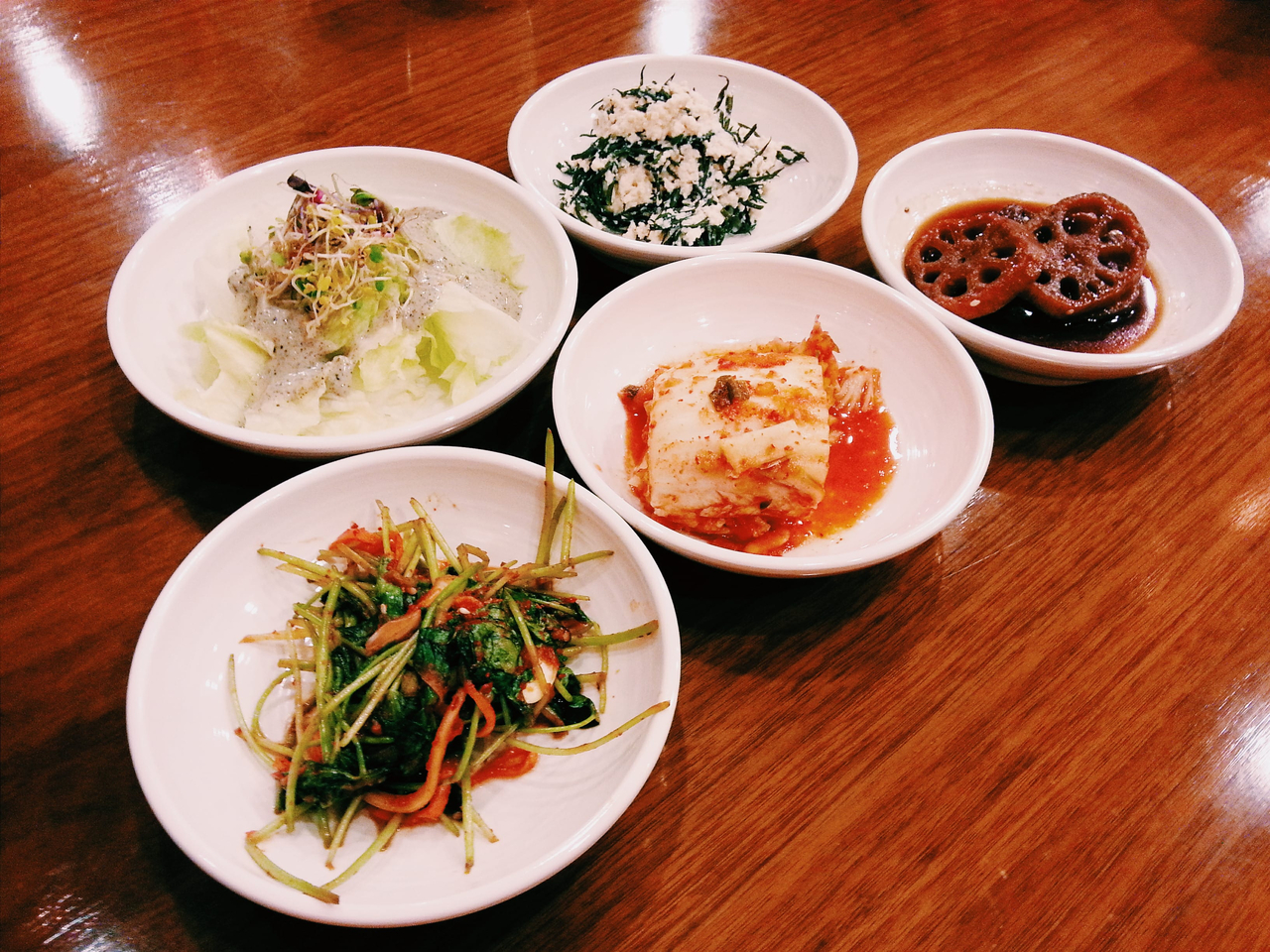
South Korea's agri-food exports surpassed $10 billion within 253 days this year.
The Korea Agro-Fisheries and Food Trade Corporation announced in September that agri-food exports crossed the $10 billion mark in 253 days — 19 days faster than last year — setting a new all-time record.
By category, ramyun exports led all gains with a 27.2 percent increase to $1.31 billion.
Strawberry exports rose 15.5 percent to $60.98 million, while grape exports surged 64.6 percent to $45.18 million.
Among seafood products, seasoned gim exports grew 8.0 percent to $462.65 million, and oyster exports climbed 8.2 percent to $65.6 million.
The government and the Korea Agro-Fisheries and Food Trade Corporation plan to continue export support in the second half of the year to achieve a record annual export performance.
Efforts will focus particularly on identifying strategic products tailored to the consumption characteristics of key regions, including the United States and ASEAN countries.
yul@heraldcorp.com