New developments including Define Artia and Gongdeok Station Xi Rene see interim loan rates approaching 5%
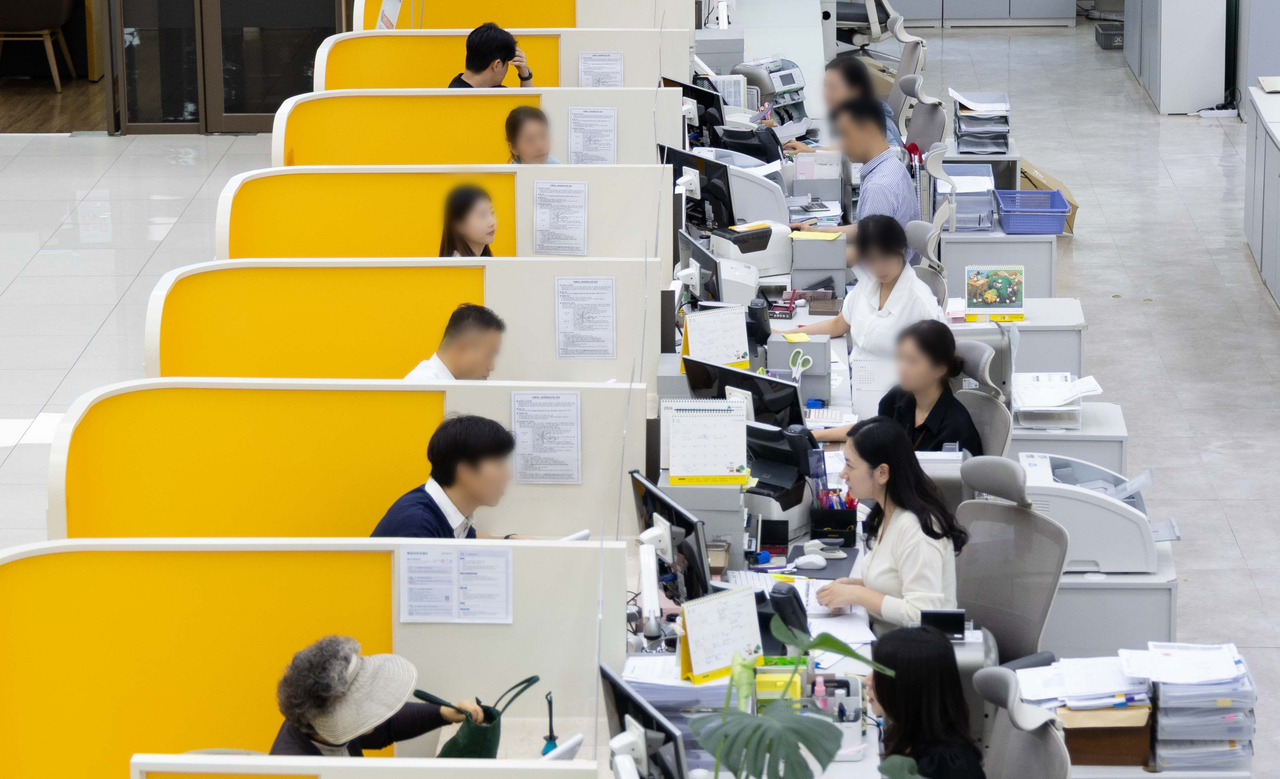
Rising interest rates on group loans — including interim payment loans for apartments — are driving up the cost of financing a home purchase. For many buyers who won apartment subscriptions, the initial excitement is quickly giving way to anxiety over mounting interest burdens.
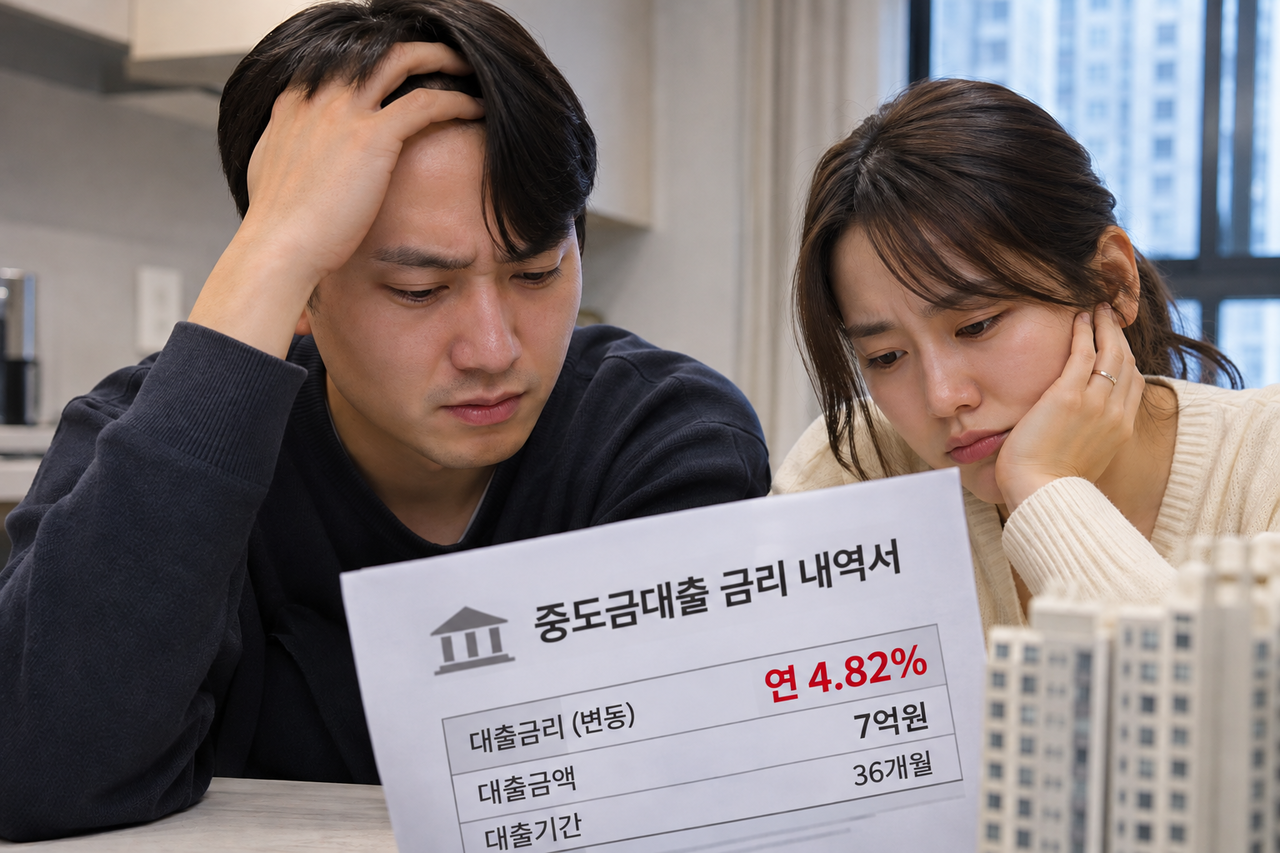
According to the pre-sale industry Sunday, loan rates at newly launched apartment complexes currently in the interim payment phase are approaching 5 percent annually. Define Artia in Noryangjin-dong, Dongjak-gu, Seoul, was assigned an interim payment loan rate of 4.88 percent per year by a commercial bank as of Oct. 6. Gongdeok Station Xi Rene in Dohwa-dong, Mapo-gu, was similarly set at an annual rate of 4.93 percent as of September.
As interim loan rates close in on 5 percent, the financial burden on buyers is growing. Interest on interim payment loans accrues over the repayment period, but at many complexes it is settled in a lump sum at the time of the final payment — meaning the higher the loan rate, the larger the sum buyers must come up with at move-in.
In the past, buyers could get by with just a 10 percent down payment after winning an apartment subscription, covering the remaining interim payments through loans and settling the final balance at move-in using jeonse deposits. But conditions have tightened considerably: jeonse loans contingent on ownership transfer have been restricted, and with all of Seoul now designated a regulated zone, the loan-to-value ratio has been capped at 40 percent. As a result, buyers must now fund not only the down payment but also a portion of the interim payments out of their own pockets.
To illustrate the scale of the burden: a buyer who purchased a 59-square-meter unit at Gongdeok Station Xi Rene for around 1.7 billion won ($1.27 million) would have 680 million won subject to a 4.93 percent annual rate for the fourth installment of interim payments. The interest alone on that loan amounts to a considerable sum. Under the deferred payment system — where interest is settled in full alongside the final balance — buyers face a compounded cash crunch just before move-in.
A buyer identified only as J, who won a subscription for a new apartment in Seongbuk-gu, Seoul, said the joy of finally getting a new apartment quickly faded. "I was thrilled that the day had come for me to unwrap a brand-new apartment, but the excitement was short-lived — I'm now anxious about how the interim loan rate will be calculated," J said. "With the added spread, I expect the rate to exceed 4 percent, and I have no idea how I'm going to come up with the cash."
Some in the industry have called for easing loan regulations given that rate increases have already begun, but the government has reaffirmed its stance on maintaining restrictions. President Lee Jae Myung met with the press corps at Chunchugwan at Cheong Wa Dae on Oct. 19 and expressed opposition to calls for deregulation. "If rates are adjusted upward, there could be situations where people end up paying 2.5 times the interest they paid before," Lee said.
Lee also forecast a decline in real estate prices. "Just like with share prices, there is a need to minimize the situation where people keep telling themselves 'it won't fall, it won't fall' — and then get stuck holding the bag," Lee said.
hss@heraldcorp.com