AI models answered more than 80 percent of SAT questions correctly under conditions designed to simulate the image distortion that smart glasses produce when photographing an exam sheet, a new study has found — raising fresh concerns that AI-equipped eyewear could fundamentally undermine the integrity of in-person testing.
Researchers Rupert Urbansky and Ralf Peters of Martin Luther University Halle-Wittenberg in Germany presented the findings at the 17th International Conference on Computer Supported Education (CSEDU 2025). Their paper, titled "Large Language Models and Vision Language Models Threatening the Fairness of In-Person Exams: An Evaluation Using Smart Glasses and Computer Vision," used SAT questions to test AI models' ability to solve exam problems under degraded visual conditions, Yonhap reported.
The experiment covered 720 questions in total — 396 reading comprehension and 324 math — drawn from past SAT exams.
Rather than connecting actual smart glasses to an AI system and running a live test, the researchers artificially replicated the image distortion that would occur when viewing an exam sheet through smart glasses. They applied a perspective distortion equivalent to roughly a 75-degree rotation, added a 3-pixel blur effect and introduced 5 percent noise to the exam images — simulating the view from smart glasses worn at a slight distance from the page.
Under those conditions, Google's Gemini 1.5 Pro-002 achieved an overall accuracy rate of 82.7 percent, answering 87.96 percent of math questions and 78.54 percent of reading questions correctly.
OpenAI's GPT-4o answered 75.69 percent of all questions correctly, with a math accuracy rate of 74.69 percent and a reading rate of 76.52 percent. When presented with clean, undistorted images, GPT-4o scored 87.22 percent and Gemini scored 84.58 percent.
The researchers concluded that commercially available AI models can solve exam questions with high accuracy even under poor image quality, and that smart glasses pose a genuine threat to the fairness of in-person exams.
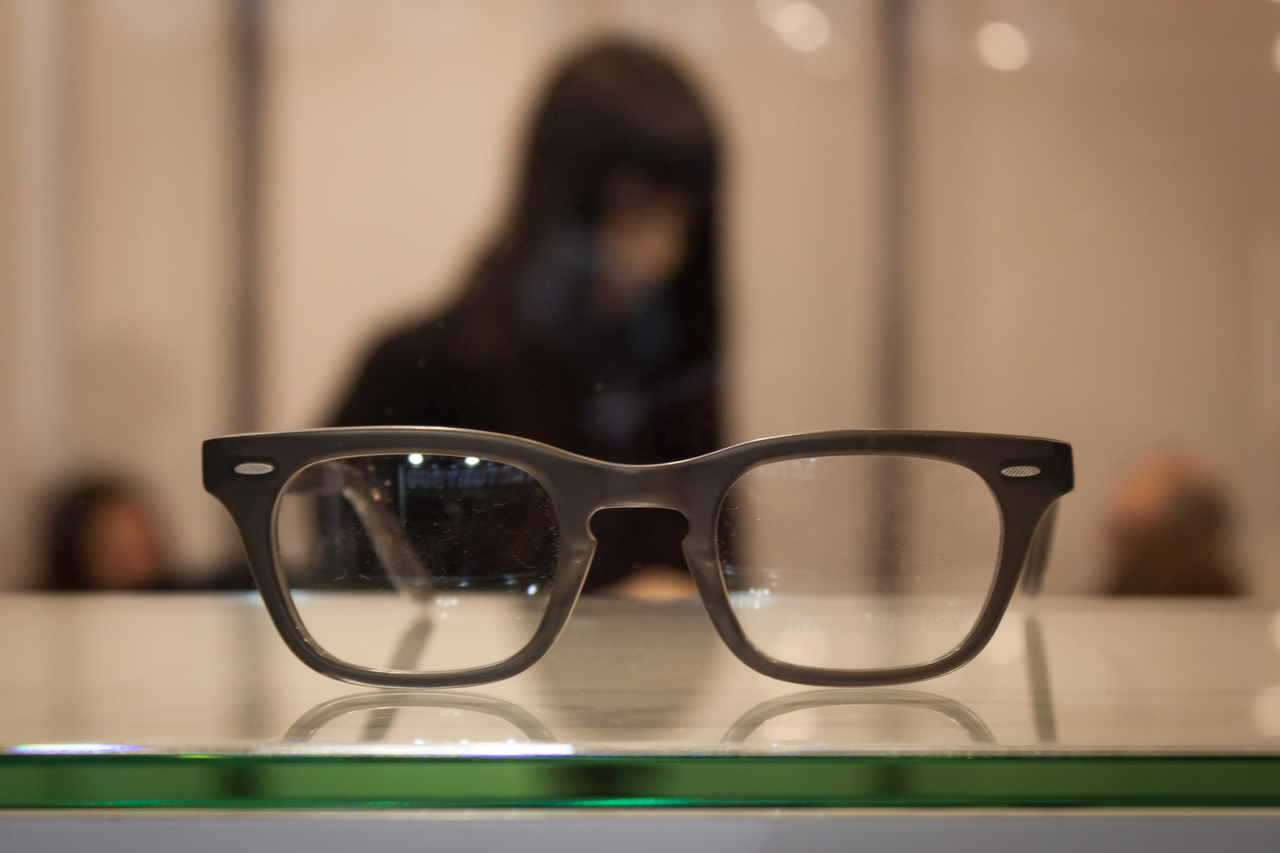
"Smart glasses could be used as an input device to relay exam questions to an AI," the researchers said, adding that "smart glasses without a display function are virtually indistinguishable from ordinary glasses to the untrained eye."
The study does have limitations, however. The researchers did not build a functioning AI cheating device and test it in an actual exam setting. The questions were also processed so that only one appeared per page, meaning the experiment did not fully replicate the real-world challenge of an AI having to locate and select the correct question from a full exam sheet.
In South Korea, cheating incidents involving smart glasses have already been reported.
At rolling admissions essay exams at Yonsei University and the University of Seoul last month, test-takers were caught switching from ordinary glasses to smart glasses after passing pre-exam checks. Five cases of cheating using smart glasses in national qualification exams have also been confirmed this year.
Deputy PM vows cross-ministry response to smart-glasses threat
Deputy Prime Minister and Minister of Science and ICT Bae Kyung-hoon said Oct. 23 that the government would "swiftly develop a cross-ministry response" to concerns over the potential misuse of AI smart glasses for illegal recording.
Bae made the remarks at a parliamentary audit of the Science and Technology Information and Communications Committee of the National Assembly, responding to a question from Democratic Party of Korea lawmaker Lee Jeong-hyeon. "We are preparing guidelines, and we will accelerate that process," Bae said.
At the audit, Lee had three aides wear either ordinary glasses or Meta's smart glasses, then asked Bae, Ministry of Science and ICT First Vice Minister Gu Hyeok-chae and Second Vice Minister Ryu Je-myeong to identify which aides were wearing the smart glasses.
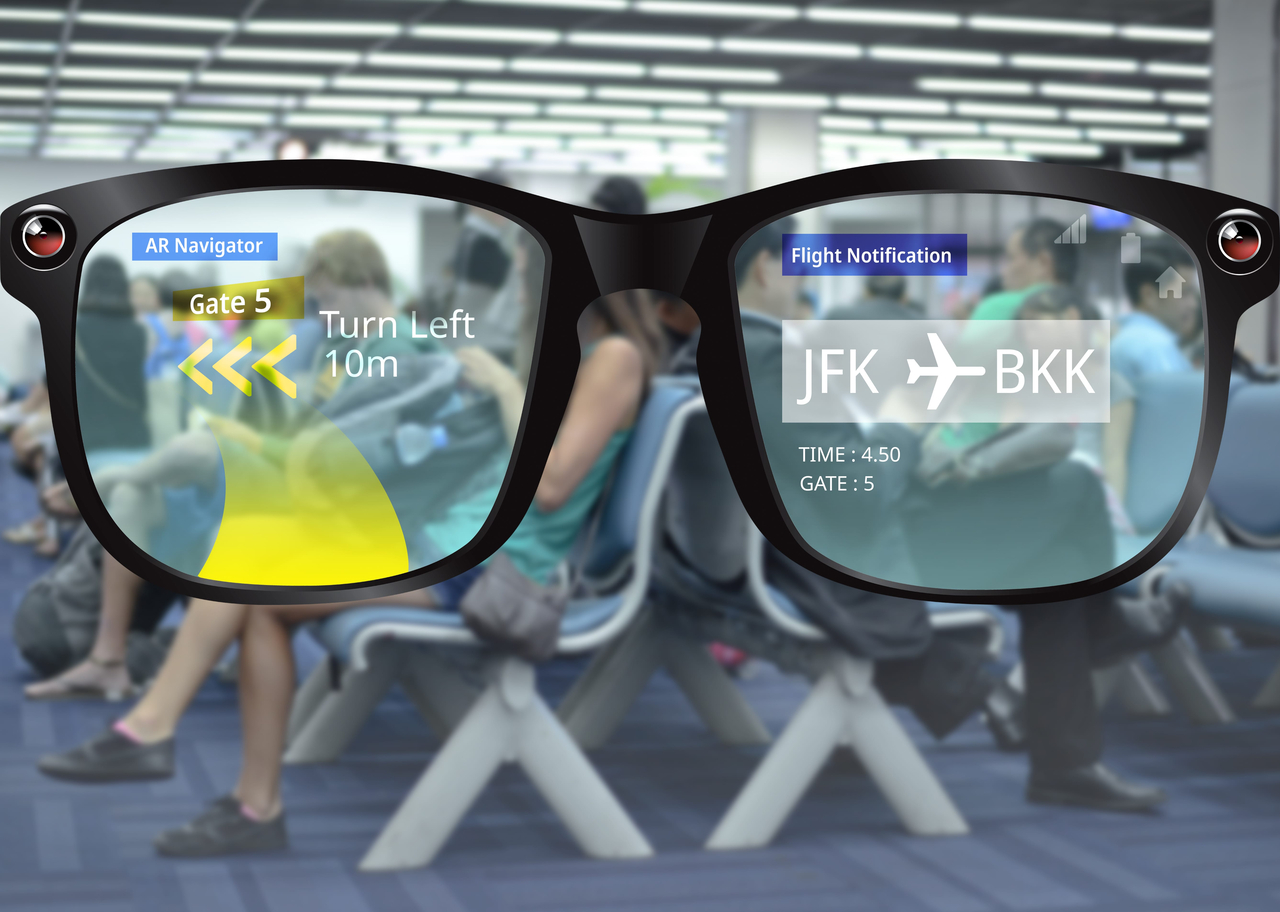
The demonstration was intended to highlight growing concerns that recently released smart glasses are nearly indistinguishable from ordinary eyewear in appearance and could be exploited for illegal activity.
Lee also said that "public fear of covert illegal recording in everyday life is growing increasingly serious, yet the government's response has been almost nonexistent."
Bae said the president had raised concerns about the issue at a Cabinet meeting, and that responses from the Ministry of Employment and Labor and the Ministry of Education would also likely be needed.
yul@heraldcorp.com