Ministry of Oceans and Fisheries names mackerel and scallops as fish of the month
Namhae's Eo Village and Seocheon's Songseokhaeui Village picked as autumn travel destinations
Triton's trumpet snail, Seongdu Harbor lighthouse and Yuksan Island also honored
As the first cold winds of November arrive, mackerel and scallops come into their prime. In Namhae, South Gyeongsang Province, visitors can harvest oysters and clams by hand, while in Seocheon-gun, South Chungcheong Province, they can explore tidal flats listed as a UNESCO World Natural Heritage site and try their hand at making dried seaweed sheets.
The Ministry of Oceans and Fisheries announced Sunday its selections for November: mackerel and scallops as the month's featured seafood, and Eo Village in Namhae, South Gyeongsang Province, and Songseokhaeui Village in Seocheon-gun, South Chungcheong Province, as recommended coastal travel destinations. The triton's trumpet snail was named marine creature of the month, the Seongdu Harbor breakwater lighthouse in Yeosu was chosen as lighthouse of the month, and Yuksan Island in Yeonggwang-gun was named uninhabited island of the month.
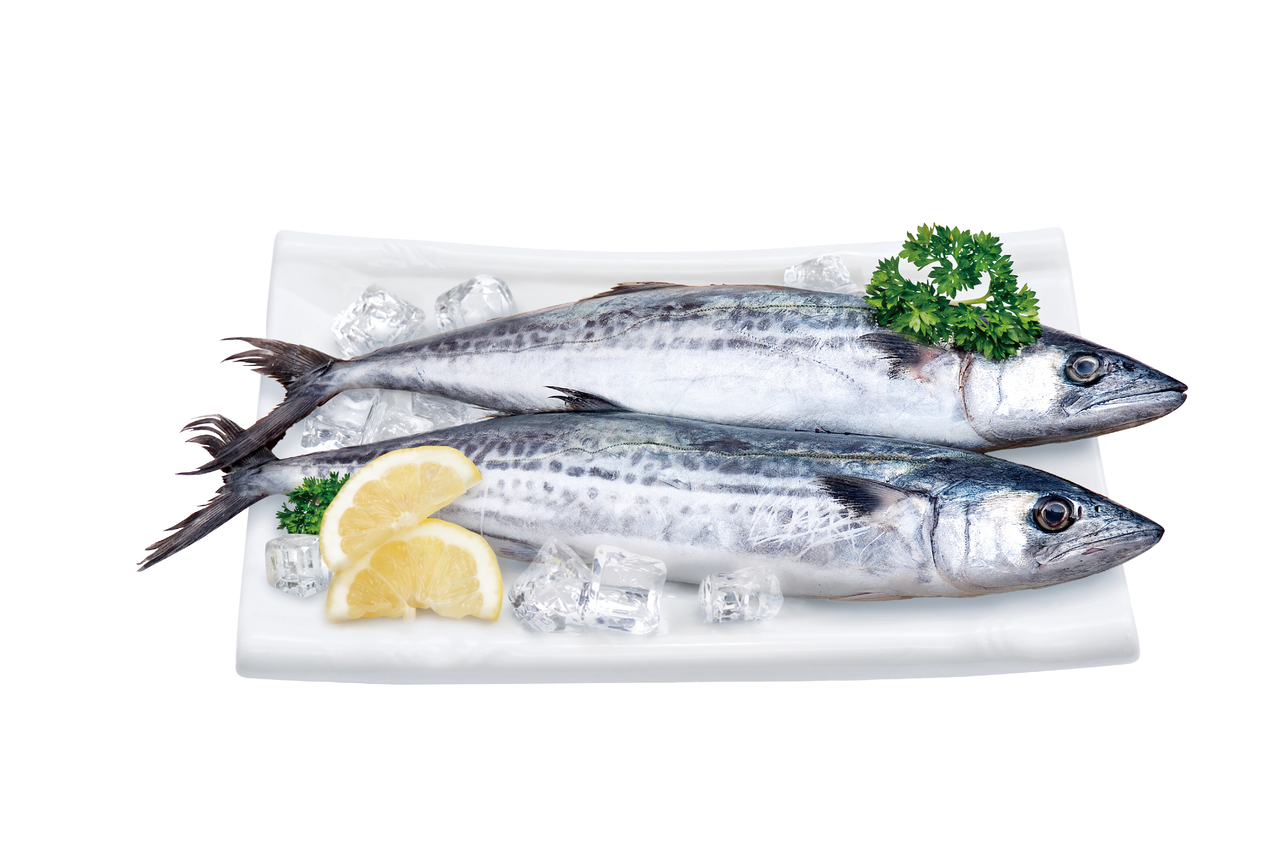
Mackerel accumulates fat in its flesh from autumn through winter, making it one of the season's most flavorful fish. It is found across the Yellow Sea and South Sea, as well as in waters off China and Japan. Rich in protein, niacin and essential amino acids, the fish has a tender texture well suited to grilling, braising and steaming. Salt-grilled mackerel is among its most popular preparations.
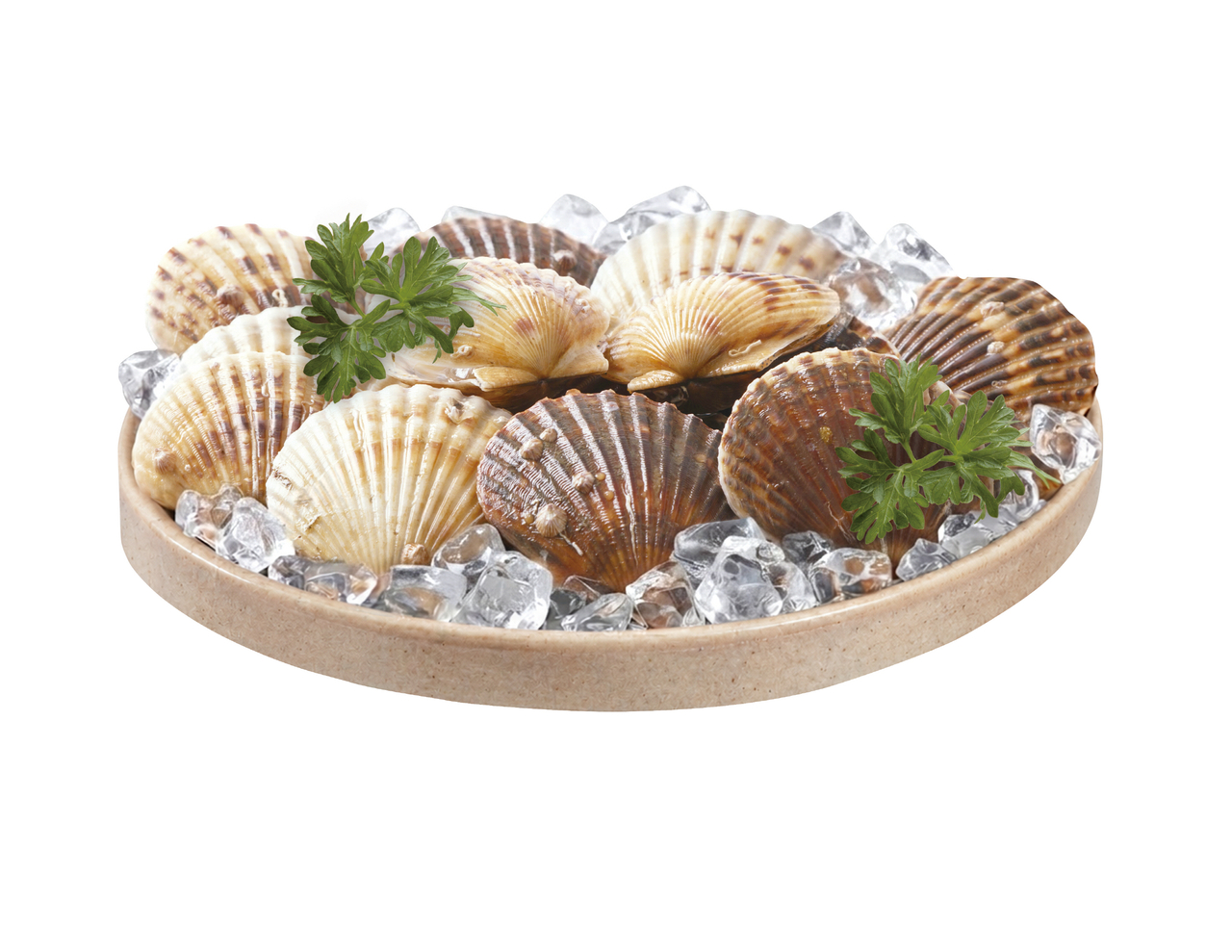
Scallops also reach peak condition from late autumn through winter. Domestic aquaculture focuses on the Japanese scallop along the East Sea coast and the bay scallop along the South Sea coast. The shellfish is recognized by its fan-shaped shell and large, well-developed adductor muscle. High in protein and minerals, scallops can be enjoyed butter-grilled, steamed or tossed in seasoned salads.
Those who want to taste seasonal seafood firsthand would do well to consider one of the ministry's recommended coastal villages.
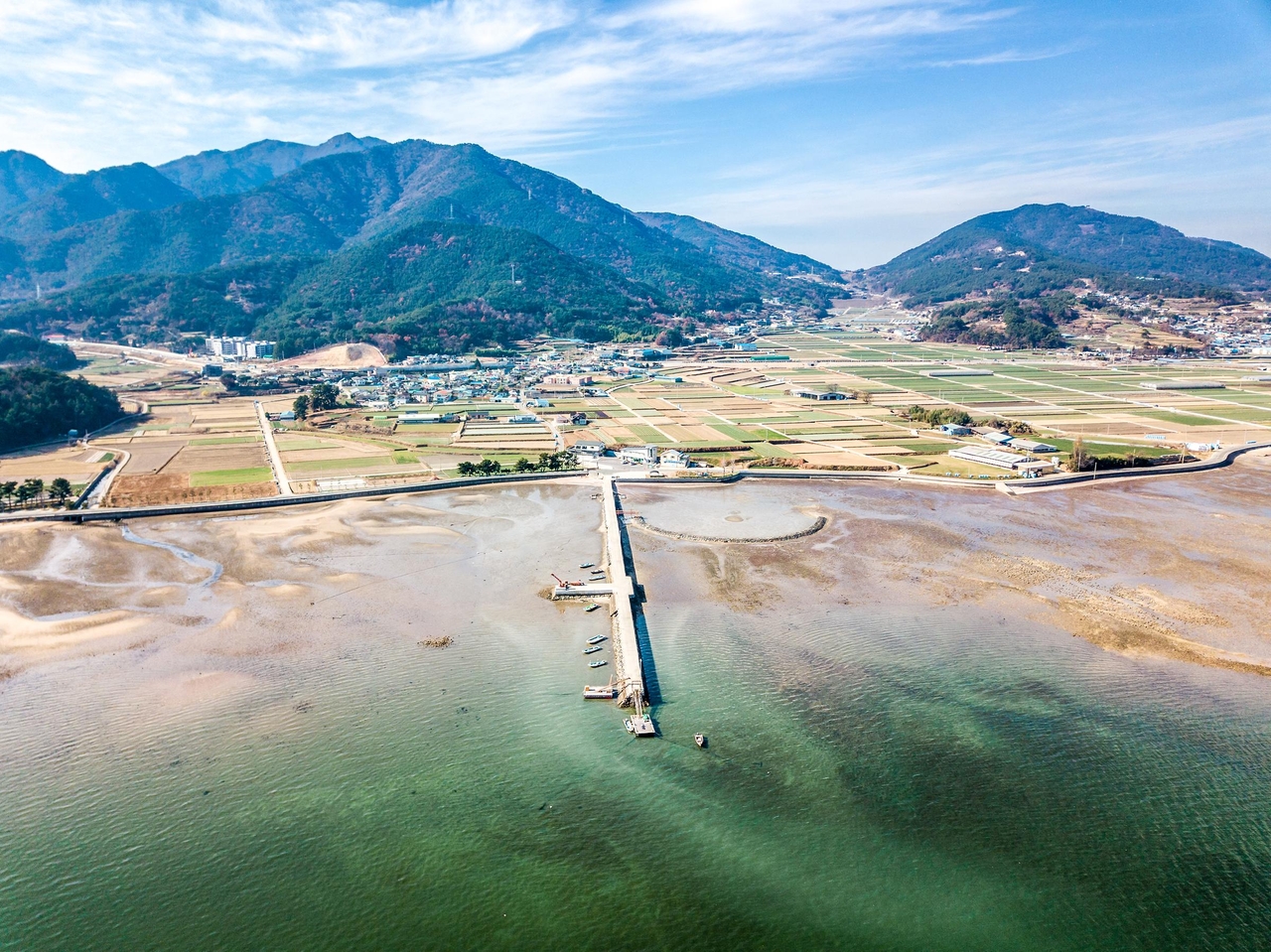
Eo fishing village resort in Namhae-gun, South Gyeongsang Province, sits where the foothills of Mangunsan slope down to Gangjin Bay. In November, visitors can harvest oysters and clams and pick spinach. Seasonal meals — including rice cooked in a pot with fresh clams — are also available using the day's catch.
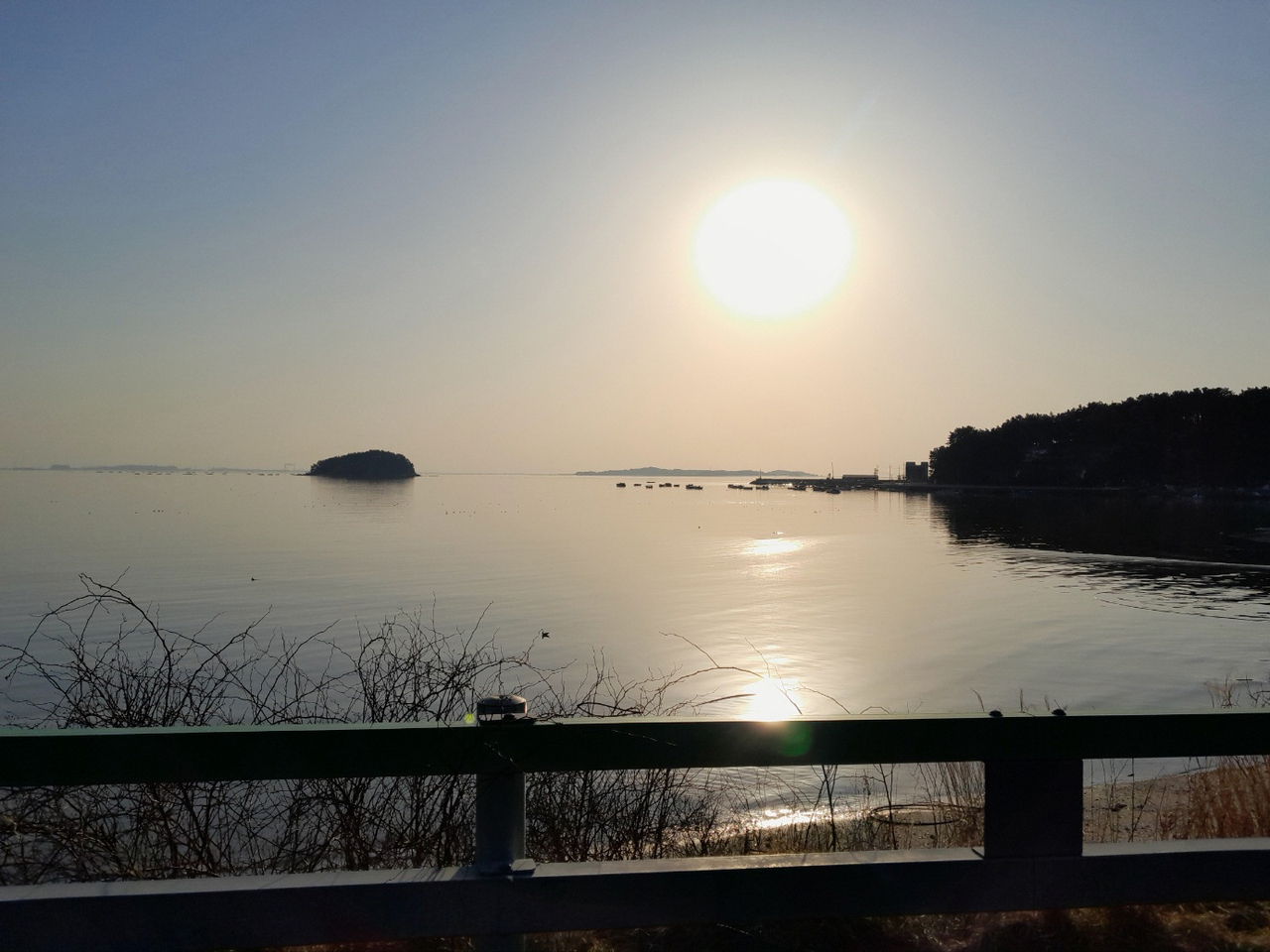
Songseokhaeui fishing village resort in Seocheon-gun, South Chungcheong Province, offers views of both the tidal flat and Yellow Sea sunsets. The Seocheon tidal flat was included in "Getbol, Korean Tidal Flats," a UNESCO World Natural Heritage site, in 2021. The village runs seaweed-sheet making experiences starting this month. Nearby Janghang Songlim Forest Bath and Janghang Skywalk are also worth a visit.
The triton's trumpet snail, named marine creature of the month, is a large sea snail that preys on starfish, helping regulate starfish populations and maintain the balance of marine ecosystems. It is found mainly in rocky reef areas around Jeju Island and the South Sea coast, with sightings also recorded in Uljin and Ulleungdo along the East Sea.
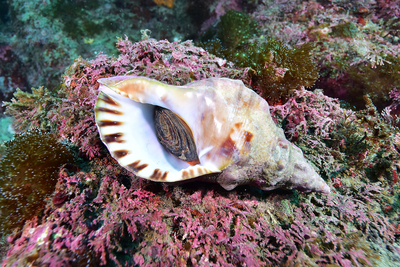
The snail takes its Korean name from the deep, resonant sound produced when the tip of its shell is cut and blown like a horn. It was historically used as a trumpet in royal ceremonies and on the battlefield. To protect it from indiscriminate harvesting, it was designated a marine protected species in 2007 and is also listed as a critically endangered wild species.
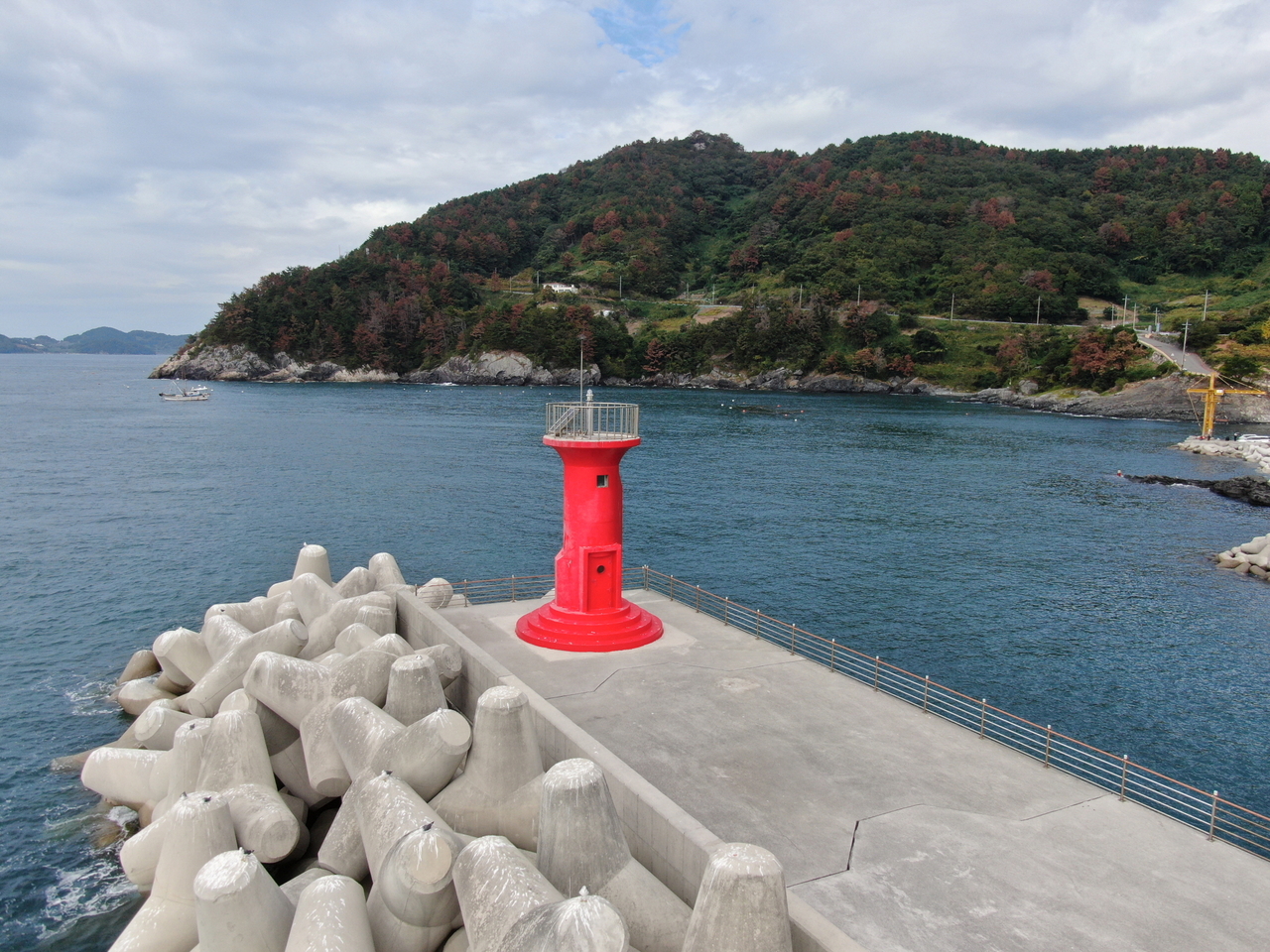
The lighthouse of the month is the Seongdu Harbor breakwater lighthouse in Dolsan-eup, Yeosu, South Jeolla Province. Installed in 2023, it flashes a red light every four seconds to guide vessels navigating in and out of Seongdu Harbor. Nearby attractions include Hyangilam, a popular sunrise spot, Musulmok Beach, the Yeosu Maritime Cable Car and Dolsan Park.
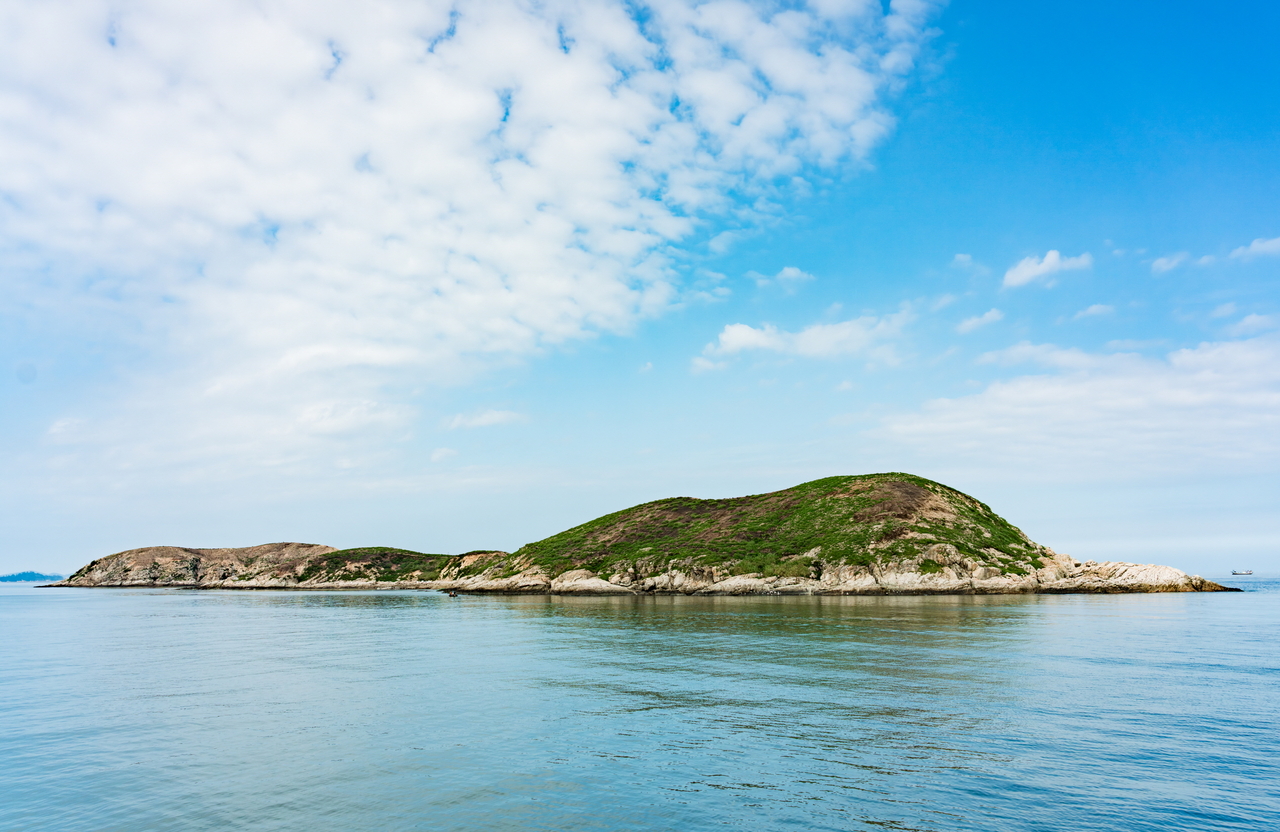
Yuksan Island, named uninhabited island of the month, is a rocky islet about 14 kilometers southwest of Gyema Harbor in Yeonggwang-gun, South Jeolla Province. Covering an area of 41,355 square meters, it is the largest of seven islands stretching from Ilsan Island to Chilsan Island.
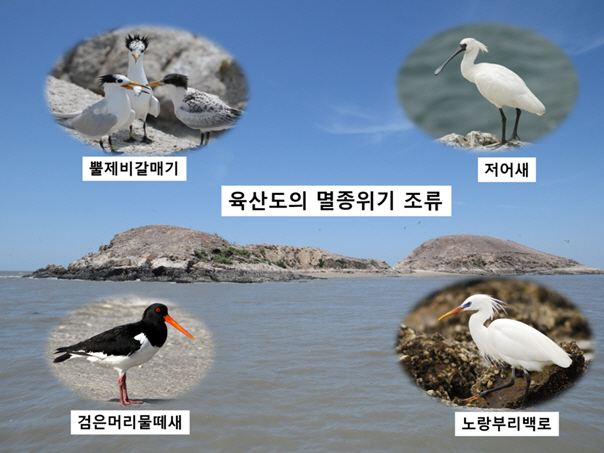
Yuksan Island is known as a breeding ground for the Chinese crested tern, a globally rare seabird once thought to be extinct. It was confirmed in 2016 that the species had bred on the island — the first such confirmed breeding in South Korea. The island is also home to other endangered birds, including the black-faced spoonbill, yellow-billed egret and Eurasian oystercatcher.
adastra@heraldcorp.com