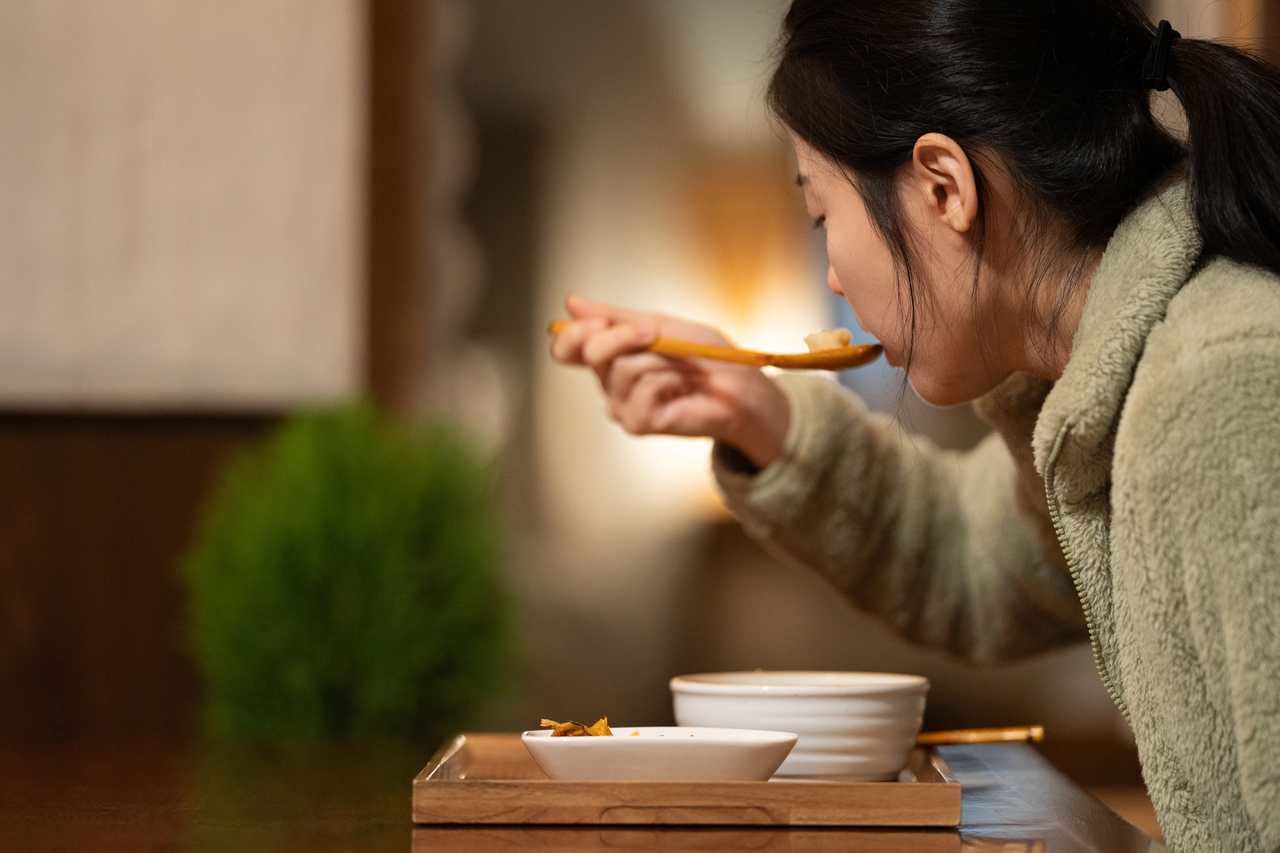
Disputes over minimum-order requirements and seating policies for solo diners continue to flare up online and offline in South Korea, with restaurant owners and customers unable to find common ground between the pressure to turn tables quickly and the right of individuals to dine alone.
A post on the Reddit community r/KoreanFood recently described a traveler's experience of sitting down at a Korean restaurant only to discover that the main menu items required orders for two or more people. The poster left without ordering and went to a different restaurant.
Similar debates have played out on domestic online communities. A post on Bobaedream on Aug. 12 was titled "A haejangguk restaurant owner who really hates solo diners." After an image suggesting the owner discouraged solo customers was shared, the original poster criticized the practice, saying that if a restaurant only serves parties of two or more, it should post a notice at the entrance beforehand.
Meanwhile, demand for solo dining is rising. According to the "2026 Solo Dining Trend Report" released in September by Ward, the operator of the restaurant reservation platform Catch Table, the number of single-person waitlist entries on the app from January through July this year rose 48.5 percent compared with the same period last year. Single-person reservations over the same period also increased 38.1 percent.
Particularly notable was that 67.7 percent of solo dining reservations were at restaurants with a per-person spend of 50,000 won ($37) or more. The figures, however, are drawn from reservation and waitlist data on a single platform and do not represent spending patterns across the broader restaurant industry.
The rise of single-person households is seen as a key driver of the trend. According to the 2025 Population and Housing Census released by the Ministry of Statistics in July, single-person households numbered 8.244 million, accounting for 36.6 percent of all general households — up 0.5 percentage points from 36.1 percent the previous year.
Online reactions to restaurant policies on solo diners have been divided.
On Reddit, one user commented that it was frustrating to be turned away from a Korean barbecue restaurant simply for dining alone, even after offering to pay for two portions. Another user countered that minimum-order requirements are generally listed on menus or can be confirmed before entering, and that such policies are common at traditional restaurants and for dishes meant to be shared.
Bobaedream users were similarly split. One commenter said restaurant owners can face real difficulties when solo customers occupy four-person tables for extended periods during busy lunch hours.
Another user called for restaurants to adapt, writing, "If there are a lot of solo diners, either change the system or it doesn't seem like the place will last long." A separate user shared that a neighborhood restaurant had installed single-seat counters along the window, adding, "It works out well for everyone."
Solo dining has been steadily establishing itself as a mainstream consumer habit, yet views on restaurant policies remain sharply divided. Owners say they have no choice but to factor in table turnover during peak hours, while consumers argue they have every right to pay a fair price and eat a meal on their own terms.
As demand for solo dining grows, observers say restaurants need to clearly communicate conditions such as minimum order sizes and time limits in advance, and consider adjustments like dedicated single-seat sections where their setup allows.
why37@heraldcorp.com