Fake tenants used to secure hundreds of millions in jeonse loans
17 real tenants defrauded of billions in deposits
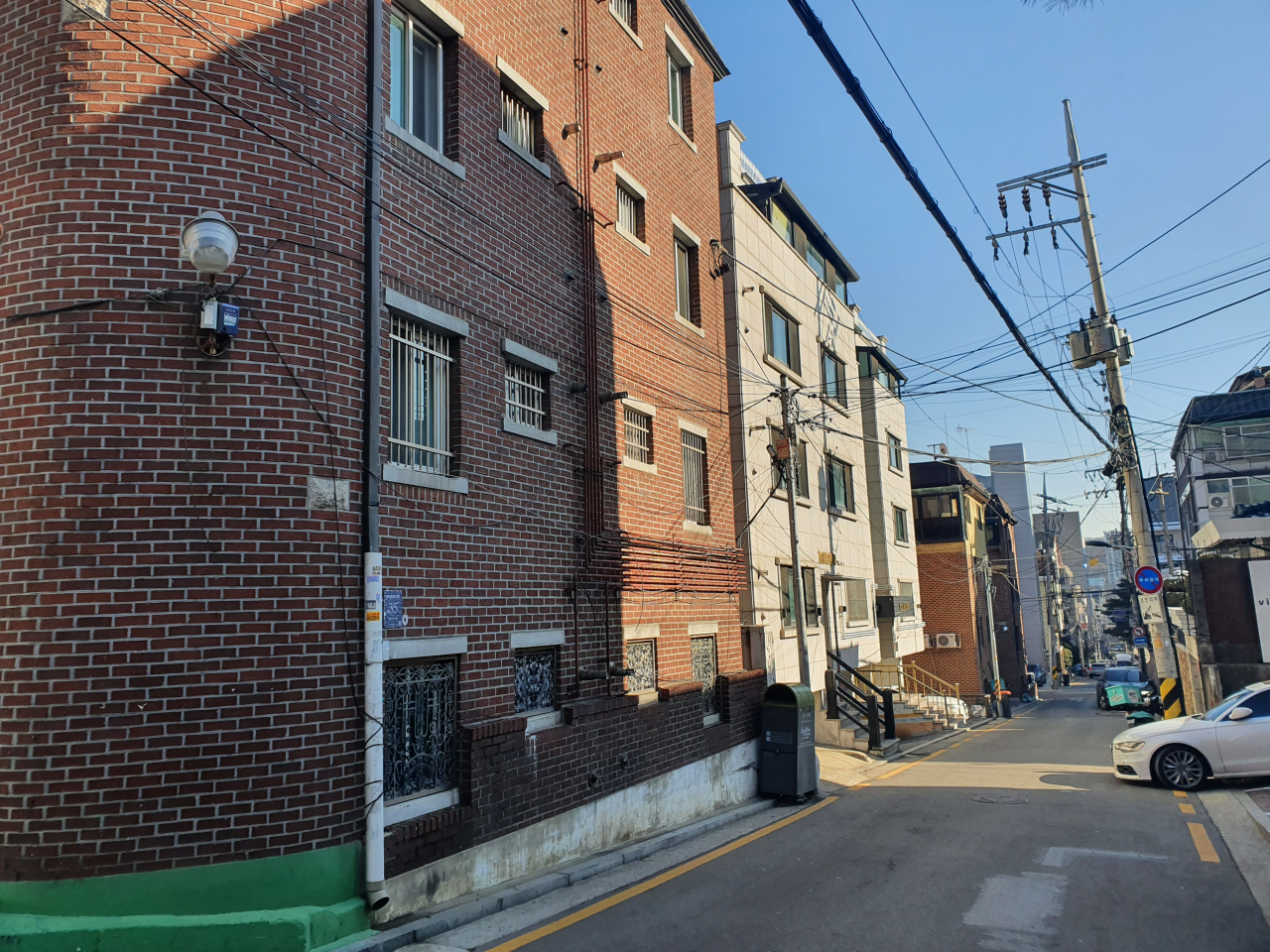
A gang that used nonexistent "ghost rooms" to fraudulently obtain jeonse loans from banks and steal deposits from tenants has been arrested by police.
Seoul's Gwanak Police Station announced Monday that it had arrested 11 people on jeonse fraud charges and detained two of them — the ringleader and a building manager.
According to police, the ringleader used three former real estate agency assistants as fictitious tenants for the ghost rooms between March and July 2023. The group is accused of drawing up fake lease contracts in their names to obtain 368 million won ($275,000) in residential jeonse loans from banks.
The ringleader is also accused of stealing tenant deposits together with the building manager and the landlord. Between July 2021 and March 2024, the group purchased a multi-unit residential building in Sadang-dong, Dongjak-gu, Seoul through zero-capital gap investment. The group then signed lease contracts with 17 tenants while deliberately misrepresenting the property's legal encumbrances, defrauding those tenants of 2.29 billion won in deposits.
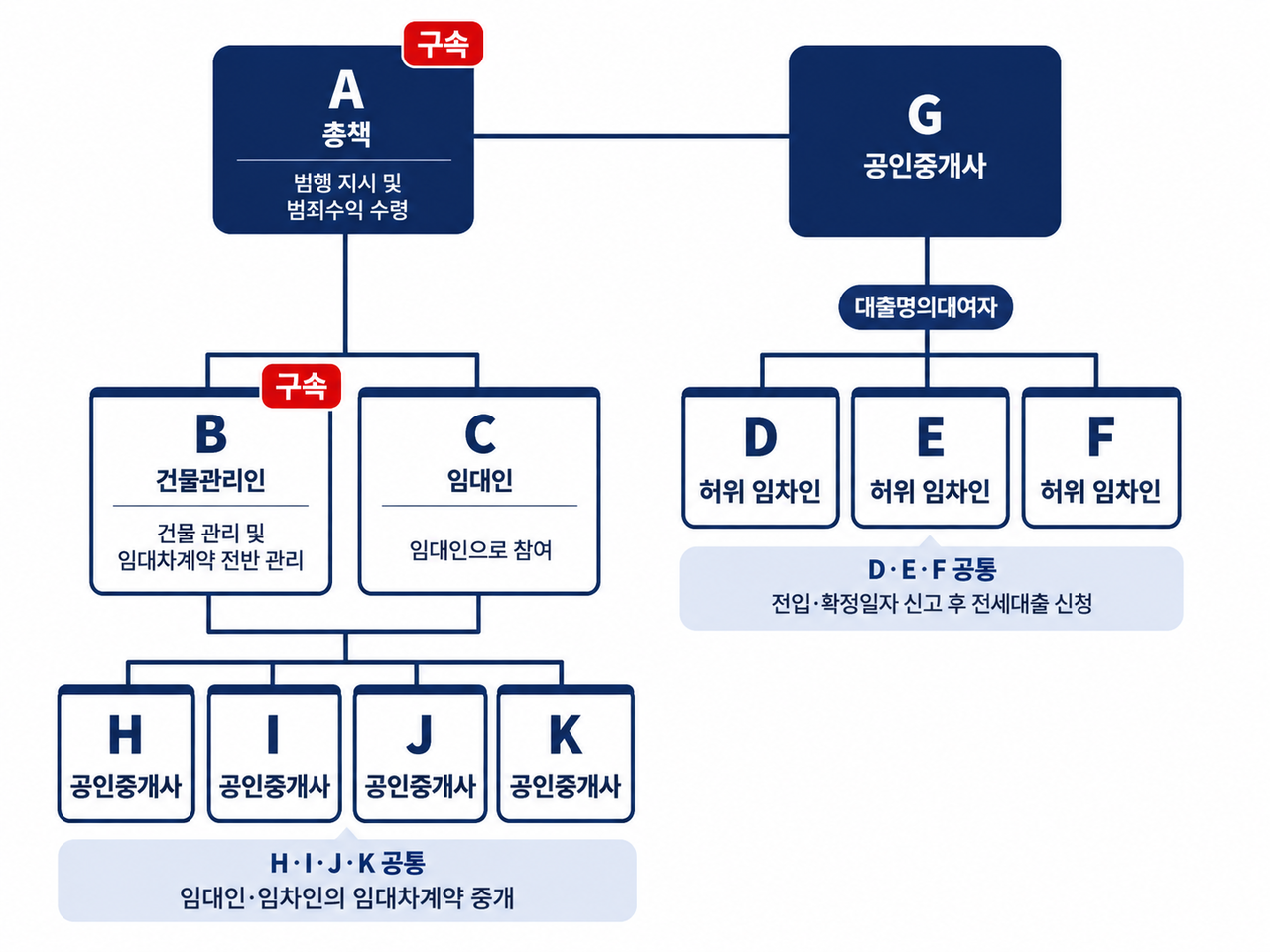
The suspects exploited a structural weakness of multi-unit residential buildings. Individual units in such buildings are not separately registered in the property registry, making it difficult for community centers and financial institutions to verify whether a given room actually exists based on documents alone. The group took advantage of this gap to fabricate lease contracts for nonexistent units and secure loans.
Police launched the investigation after receiving jeonse fraud reports. Officers first detained the building manager, who had led the lease transactions, then identified and detained the ringleader who had directed the scheme through further investigation.
Police said they plan to continue investigating whether additional accomplices were involved.
A police official urged prospective tenants to exercise caution when signing jeonse contracts. "When entering a jeonse agreement, you should check not only the mortgage liens listed in the property registry but also the building's assessed value and the total deposits held by prior-ranking tenants, so you can gauge the actual collateral value," the official said. "If the mortgage liens or prior-ranking deposits are excessive relative to the building's value, there is a significant risk of not recovering your deposit in the event of a foreclosure auction."
newday@heraldcorp.com