One month after prosecution offices replaced the prosecution service, confusion on the ground persists
Parties to cases left stranded as no one can agree on where to submit additional evidence
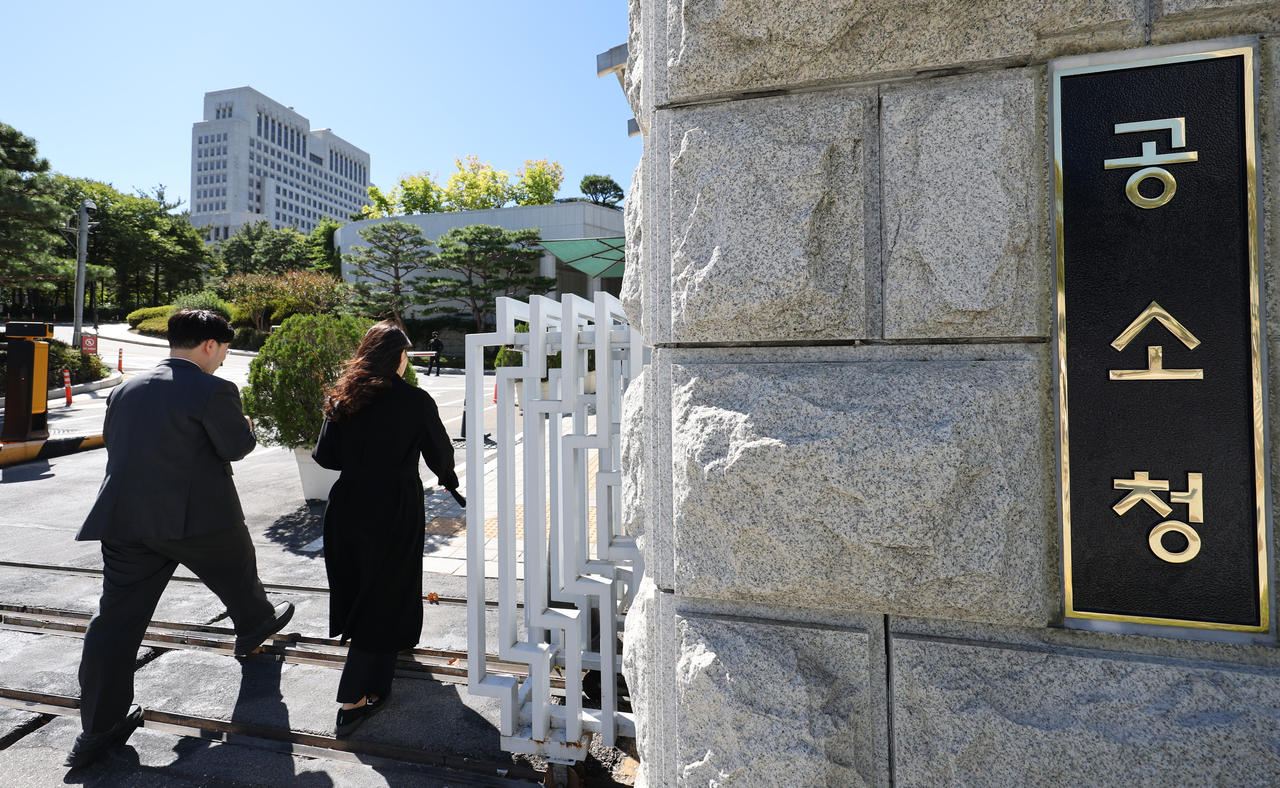
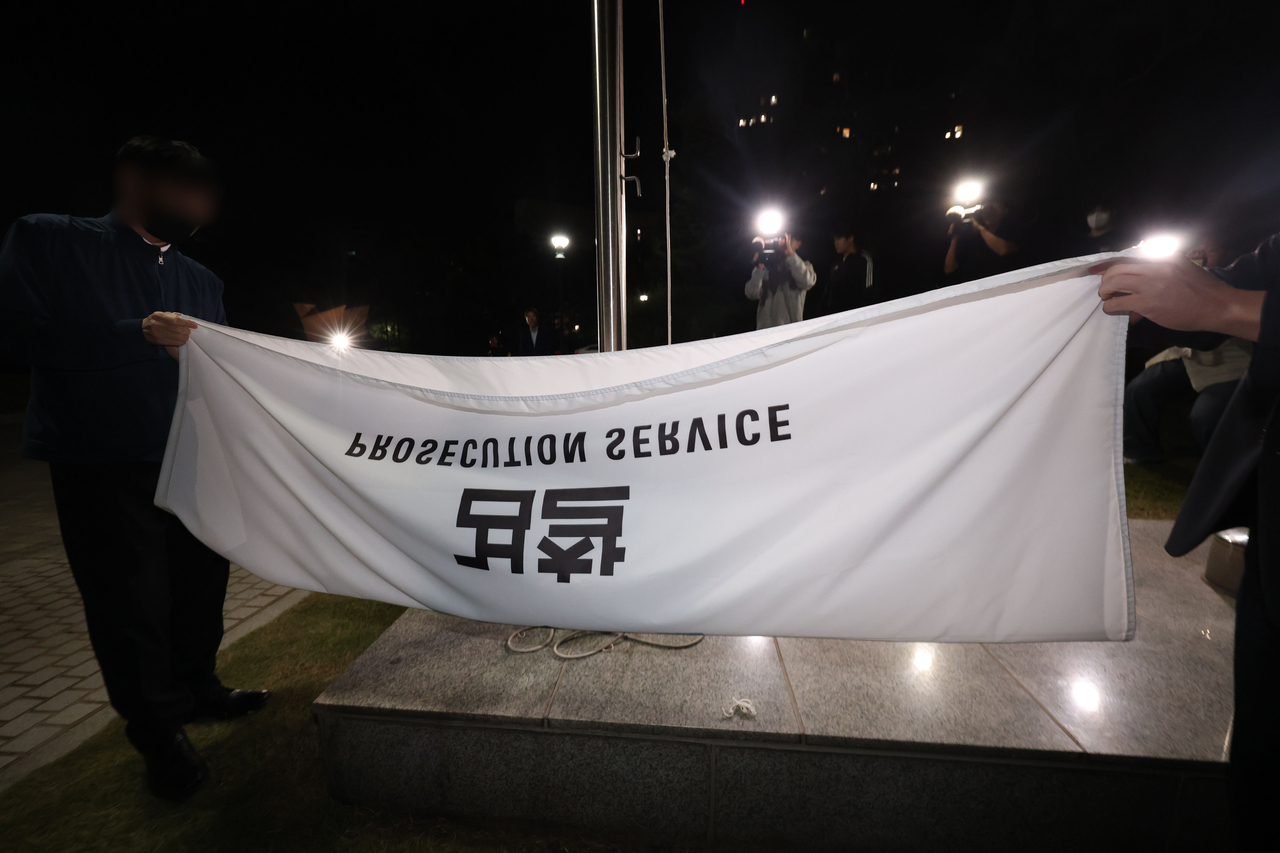
A month has passed since the prosecution service was abolished and replaced by a new public prosecution office system, yet front-line prosecutors say operational confusion shows no sign of letting up. Critics point to a growing case-processing backlog driven in part by a new rule barring prosecutors from using statements or materials they gather during fact-finding as evidence at trial — meaning even routine evidence collection now requires multiple procedural steps. Confusion also persists over how to handle additional evidence that parties to a case try to submit directly to a prosecution office after police have already transferred the case.
An Mi-hyeon, a deputy chief prosecutor at the Cheonan branch of the Daejeon District Public Prosecution Office, posted Sunday on social media under the title "The magic of turning 5 minutes into 15 days," criticizing the inefficiencies that have emerged since the revised Code of Criminal Procedure took effect. An described a recent case in which a prosecutor who received a referral on charges of nighttime residential burglary had no materials to confirm whether the crime occurred after sunset, and was forced to ask police to conduct supplementary investigation. In the past, a prosecutor could have verified the sunset time with a quick online search in five minutes — but under the new rules, any materials a prosecutor obtains cannot be used as evidence, leaving no choice but to send the matter back to police.
"If it cannot be clearly proven that the crime occurred after sunset, the charge must be treated not as nighttime residential burglary but as a concurrent offense of theft and trespass — and unlike the latter, the former carries no option of a fine," An said, adding that the distinction is significant. An also noted the procedural chain that follows: once police send back a consultation request with the results of their supplementary investigation, the prosecutor must reply with a written opinion within seven days, and police must then notify the prosecutor of how they acted on it. "I understand the prosecutor sent the written opinion to police on Friday, so the notification of compliance will come next week," An said. "The magic of turning a five-minute task into 15 days has unfolded."
Under the revised Code of Criminal Procedure, which took effect Oct. 2, prosecutors may verify facts by hearing opinions from suspects or parties to a case, or by receiving relevant materials from them — but only for the purposes of deciding whether to indict, deciding whether to request reinvestigation, or maintaining a prosecution. The law explicitly states that "prosecutors may not use statements or materials obtained through fact-finding or interviews with complainants as evidence at trial." With prosecutors now barred from conducting supplementary investigations themselves, and even materials gathered during fact-finding off-limits as evidence, a practical question has emerged on the ground: what should be done with documents that parties to a case try to submit after police have transferred the file?
On Oct. 8, a post appeared on Epros, the prosecution office's internal network, under the title "When parties to a case want to submit documents." It asked how prosecutors should handle situations in which someone connected to a police-referred case tries to hand documents directly to a prosecutor's office. Multiple prosecutors weighed in through comments, offering differing views on how to handle the situation in practice.
Some prosecutors argued that, to avoid potential problems with admissibility, parties should be directed to submit materials to police, with the prosecutor's office then receiving them through that channel. Others countered that the revised code does not actually prohibit parties from submitting materials directly to a prosecutor, and that a distinction should be drawn between voluntarily submitted documents and materials obtained by a prosecutor in the course of fact-finding.
Such problems are reportedly common on the ground. A prosecutor in the criminal division of a Greater Seoul prosecution office said in a phone interview that many people have come forward with similar complaints. "They went to the police to submit materials, only to be told, 'We've already transferred this case and can't accept anything.' Then they went to the prosecutor's office and were told, 'If we accept it here, it can't be used as evidence,'" the prosecutor said. "There is confusion because it is not clear how far prosecutors can go in using materials obtained during the indictment and trial-maintenance process." Another prosecutor said drafting guidelines on the issue would not be easy. "When someone comes in, all we can really say is: 'We can accept what you give us, but under current law it cannot be used as evidence,'" the prosecutor said, adding that "the only ones going out of their minds are the people actually involved in the case."
yg@heraldcorp.com