Analysis by Rep. Yoon Sang-hyun's office based on Ministry of Justice data
No rule excludes inmates from eligibility
Correctional facilities filed 73,565 proxy applications
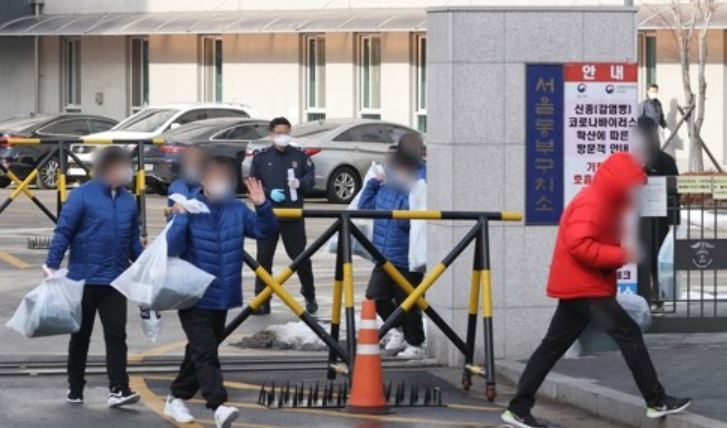
More than 70,000 inmates at prisons and detention centers across South Korea received government welfare support funds over the past two years, data showed Monday, because no regulation bars inmates — who receive food and lodging from the state — from eligibility. Assuming a minimum of 100,000 won ($75) per person, the total disbursed to inmates amounts to at least 7.3 billion won.
People Power Party lawmaker Yoon Sang-hyun, a member of the National Assembly's Legislation and Judiciary Committee, said Monday that correctional facilities distributed livelihood-recovery consumption coupons and high fuel-cost victim support funds to a combined 73,565 inmates over the past two years, citing data obtained from the Ministry of Justice.
Last year, 34,201 inmates received livelihood-recovery consumption coupons in the first round and 22,082 in the second round. This year, 19,082 inmates received the high fuel-cost victim support fund.
Assuming a minimum payout of 100,000 won per person, the total exceeds 7.3 billion won ($5.46 million).
The figures represent a substantial share of the inmate population: the daily average number of inmates held at correctional facilities nationwide last year was 63,680.
The Ministry of Justice data covers only cases in which facility wardens filed applications on behalf of inmates, meaning the actual number of recipients is likely far higher when family members who applied on inmates' behalf are included. Wardens filed proxy applications for inmates who had no family contact or no one else to apply for them.
The ministry's Correctional Headquarters said it was difficult to estimate the precise total disbursed, as local governments handled the screening and voucher distribution.
Under the application process, inmates submit a request form and a power of attorney, and correctional staff then file proxy applications with each local government. Staff members have raised concerns about the burden of this extra workload, which has continued for several months.
The welfare coupons distributed to inmates are classified and managed as "special custody items" rather than as spending money usable inside the facility for snacks or other purchases. Inmates cannot use them while incarcerated; the funds are handed over to the inmates themselves or to family members and acquaintances upon release.
Inmates qualified for both programs because eligibility is determined solely by income criteria. Neither program contains a provision excluding inmates from receiving support on the basis of their incarceration status, as long as they are residents of South Korea.
"I have fundamental doubts about whether paying welfare support funds to inmates whose food, clothing and shelter are already covered by taxpayers is consistent with the purpose of these programs," Yoon said. "The eligibility criteria and distribution methods for future support funds must be comprehensively reviewed, taking into account inmates' actual ability to spend the money and the economic circumstances of their families."
jshan@heraldcorp.com