- KIRD selects 46 students to conduct four months of lab research across 23 institutions
- Program aims to cultivate clinical-basic science talent; top teams to receive US training opportunity
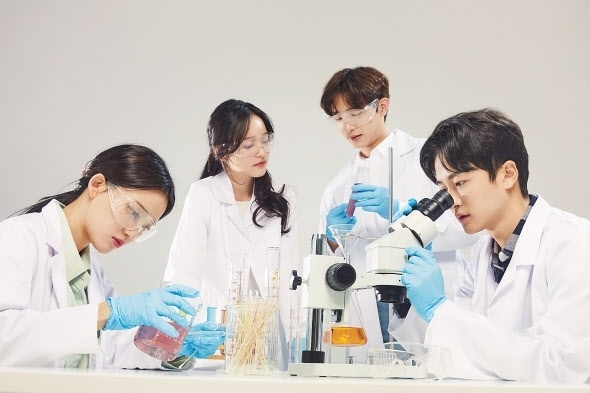
Medical students aspiring to become physician-scientists gathered for a first-of-its-kind program this year.
KIRD announced Wednesday that it had run the "R&D Career Lab Fellowship — Future Physician-Scientist Challenge Track," a program placing 46 undergraduate students from medical schools across the country into 23 research laboratories for four months of hands-on research experience.
Physician-scientists are interdisciplinary researchers who bridge clinical medicine and basic science — identifying the causes of disease and developing new diagnostic and treatment technologies by translating problems observed at the bedside into laboratory research questions. They are increasingly recognized as key talent to drive technological innovation in the biotech and medical sectors.
In its inaugural year, the program drew 223 applicants from 51 of the nation's 62 medical, dental and traditional Korean medicine schools — representing 82.5 percent of all eligible institutions — for a competition ratio of 4.85 to 1.
The 46 students selected were placed in pairs across 23 laboratories at 11 universities and government-funded research institutes.
From July, participants spent four months completing preparatory coursework, a four-week in-lab research practicum and follow-up research activities. Under the guidance of principal investigators and mentors, students conducted experiments, analyzed data and experienced the full arc of the research process firsthand.
The program placed particular emphasis on helping students translate clinical problems encountered in medical school coursework into actual research topics, then develop those topics into formal research proposals.
Beyond the lab practicum, KIRD provided 33 online and in-person sessions, including lectures by experts in medical science, research and development boot camps, and AI training for researchers.
Some students went further, developing topics identified during their lab placements into work they prepared for presentation at domestic and international academic conferences or submission to peer-reviewed journals.
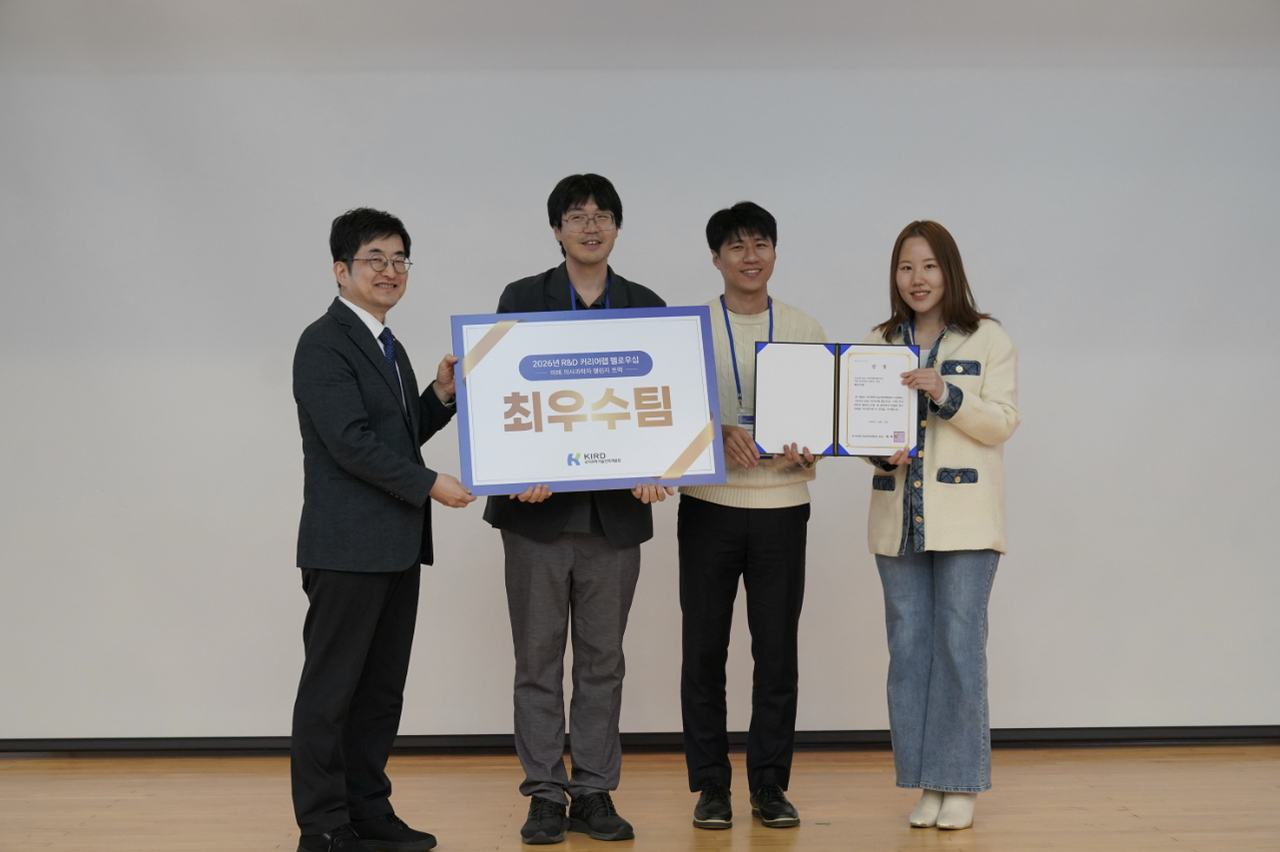
KIRD held a showcase Saturday at the KAIST Academic and Cultural Center, where students presented their research findings. Evaluators assessed overall program participation, research proposals, lab notebooks and poster presentations to select one grand-prize team and four runner-up teams.
Winning teams will receive an opportunity to participate in an overseas training program at a US medical science institution in January.
Lee Chae-rim, a pre-medicine student at Chungnam National University who took part in the program, said the experience had solidified her ambitions. "I've firmed up my goal of becoming a physician-scientist who uncovers the mechanisms behind diseases seen in the clinic and returns those findings to patients," Lee said.
KIRD Director General Bae Tae-min said the program held significant meaning in that participants gained experience viewing clinical problems through a research lens and seeking solutions by connecting across disciplines. "We will expand our support so that young scientists and engineers, including medical students, can grow into researchers who lead advances in medical science," Bae said.
nbgkoo@heraldcorp.com