"What's the point of us being careful on our own?"
Carrying a reusable tumbler instead of a disposable cup, sorting trash for recycling — these are the small, everyday inconveniences many people accept to protect the planet.
Yet while ordinary people make those modest efforts, a new report finds that others are spending almost unimaginable sums and inflicting serious damage on the global environment in the process.

The culprits are the ultra-wealthy — just 0.1% of the world's population, or about 8 million people. The carbon dioxide they generate through their spending equals the combined emissions of roughly 3.5 billion people.
One might ask: what is wrong with wealthy people spending more? But the issue goes beyond sheer consumption volume.
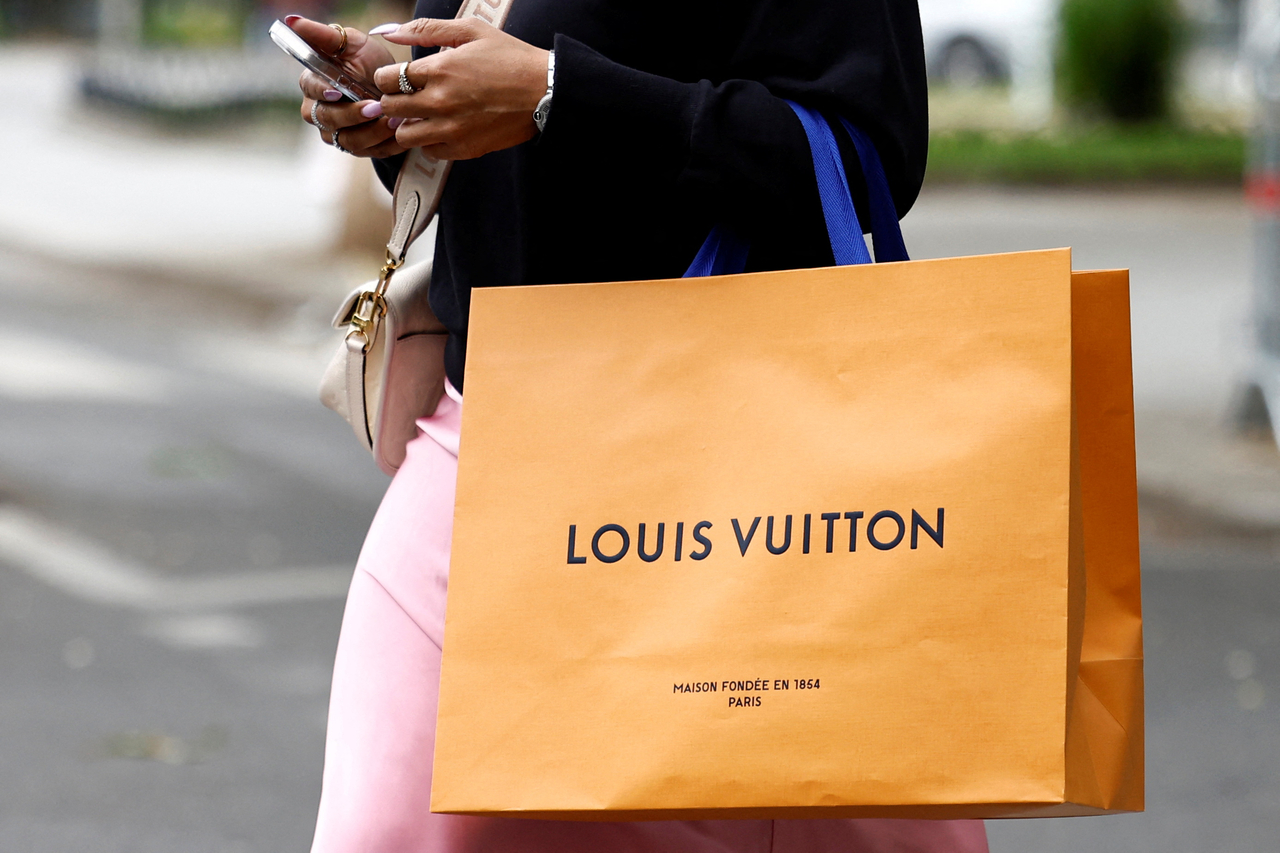
The ultra-rich fly around the world in private jets and sail the seas on superyachts worth hundreds of billions of won — pursuits that require vast quantities of fossil fuels and energy.
The problem is that the environmental damage created in the process falls on the poorest people. It is the kind of situation that makes the lament "what's the point of us being careful?" feel entirely justified.
In concrete terms, the greenhouse gases emitted by the world's top 1% in a single year are projected to cause nearly 1.9 million excess heat-related deaths over the coming century. The finding underscores how the enormous consumption and investment activity of the ultra-rich threatens the lives of the world's poorest people.
According to a report released Tuesday by international aid organization Oxfam — titled "Inequality Inc.: How the Climate Crisis Is Deepening Inequality and Making a Few People Richer" — the consumption-based carbon dioxide emissions of the world's wealthiest 0.1%, roughly 8 million people, totaled an estimated 2.36 billion tons.
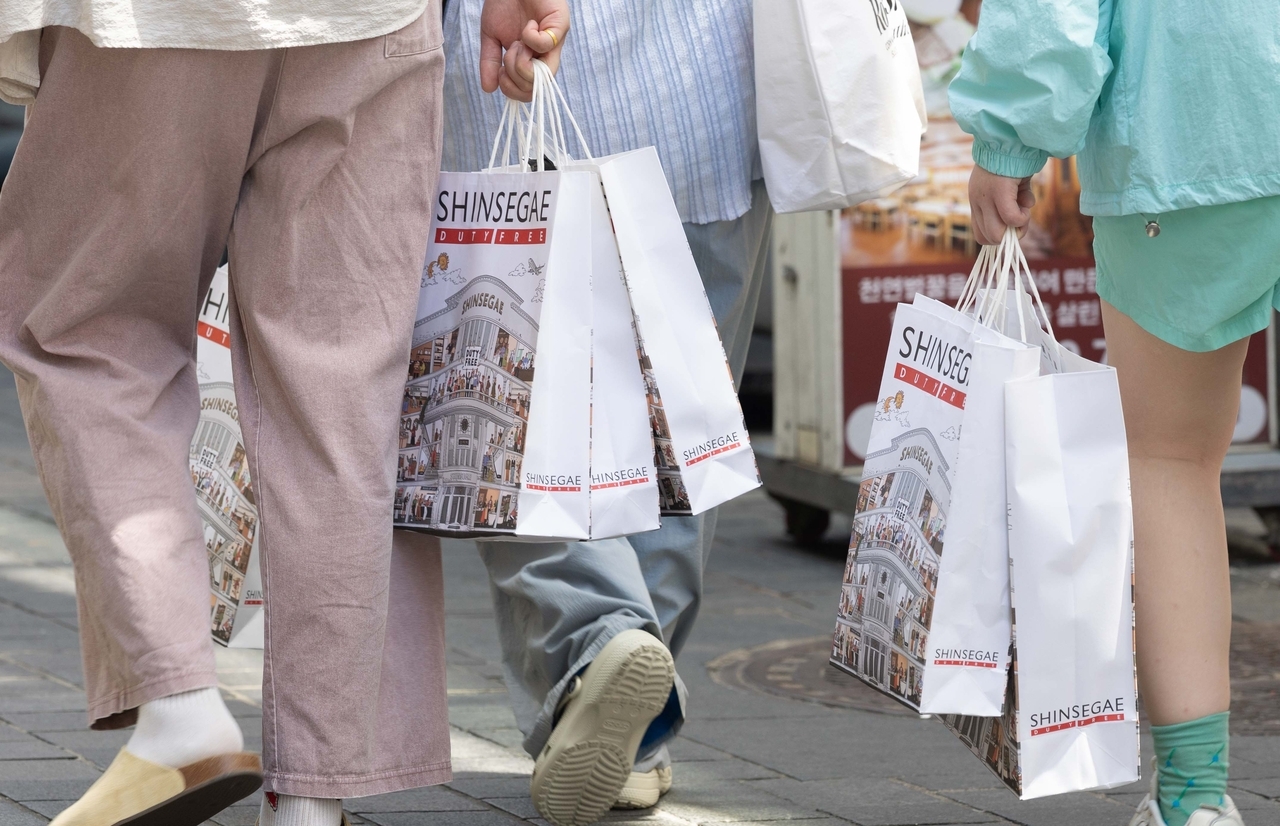
Over the same period, the combined emissions of the world's poorest 44% — about 3.5 billion people — reached only 2.31 billion tons. In other words, just 8 million people out-emitted a group more than 400 times their number.
The "consumption" referred to here is not simply shopping or buying goods. The figures account for carbon dioxide generated throughout the production and use of products and services, all attributed to the consumers who drive that demand.
The impact does not stop at high emissions. The ultra-rich have also contributed to global warming and climate change at a scale that dwarfs every other income group.
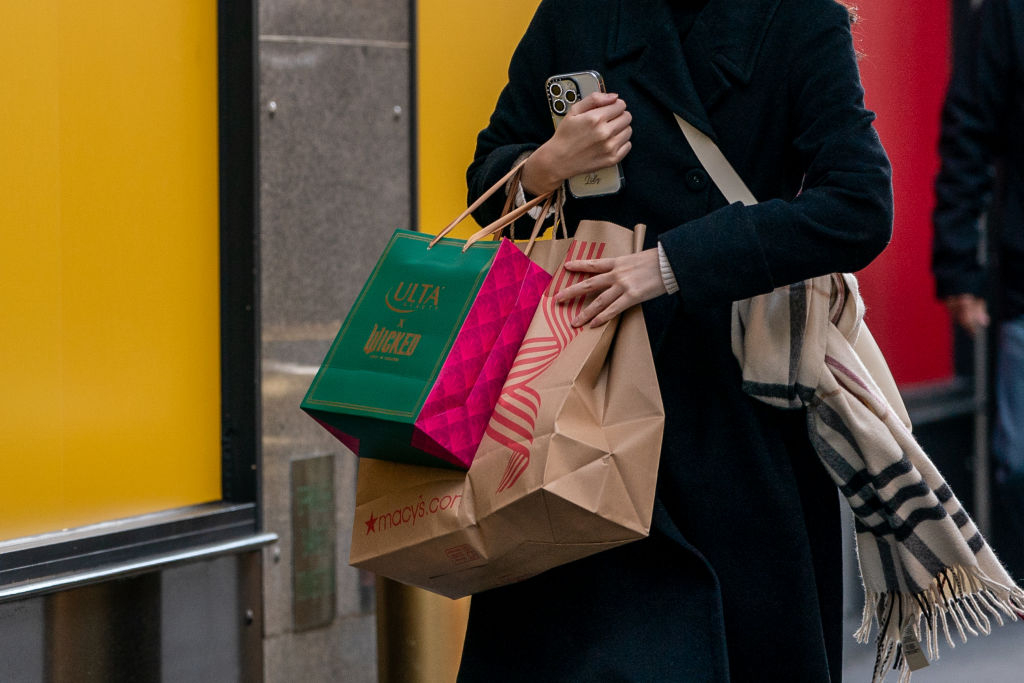
When Oxfam combined data on carbon-emission inequality with climate-impact modeling, it found that roughly 20% of global warming since 1990 is attributable to the emissions of the world's top 1%.
Even looking only at the top 0.1%, that share reached about 6.8% — a group that makes up a mere 0.1% of the global population yet has contributed to warming at dozens of times that proportion.
Their influence on extreme heat events is even more pronounced. The research found that a single person in the global top 0.1% contributes to extreme heat roughly 125 times more than the average person worldwide. Compared with someone in the bottom 50% of earners, the gap widens to about 400 times.
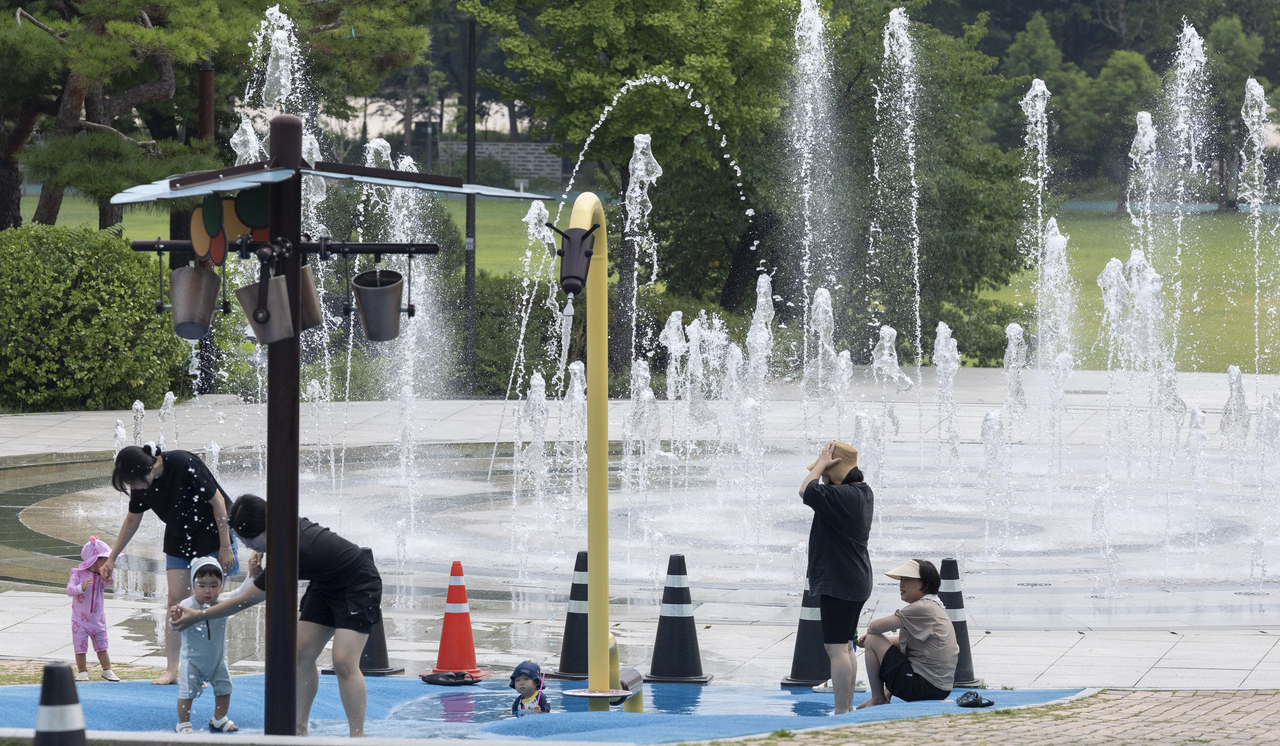
The consequences reach into everyday life — and, most gravely, into mortality. Oxfam estimates that the carbon dioxide emitted by the world's top 1% in 2023 alone will cause close to 1.9 million excess heat-related deaths over the next roughly 100 years.
Equally striking is where those deaths will occur. Oxfam found that excess deaths from extreme heat will be concentrated in low-income and lower-middle-income countries — nations that together account for only about 8% of global greenhouse gas emissions.
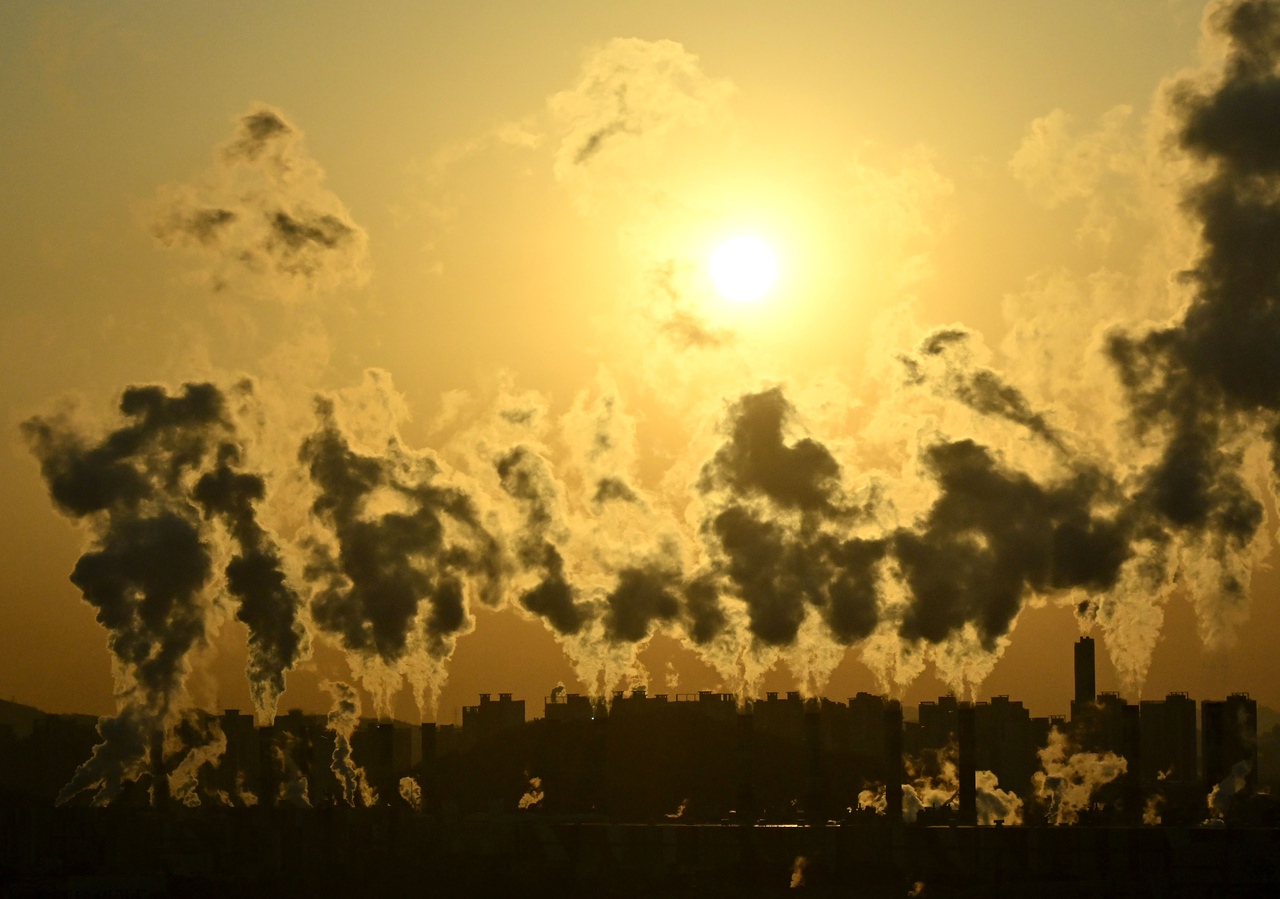
Those who have contributed least to climate change are bearing the heaviest burden. Why does this imbalance exist?
It is tempting to think that climate disasters — extreme heat, flooding — strike rich and poor alike. When temperatures climb to 40 degrees Celsius or torrential rain falls, wealth does not buy cooler weather.
But the story changes when it comes to preparing for disasters and recovering from them. Those with financial means can use air conditioning to escape extreme heat or relocate to safer areas. They can afford to live in neighborhoods at lower flood risk and take out insurance against losses.
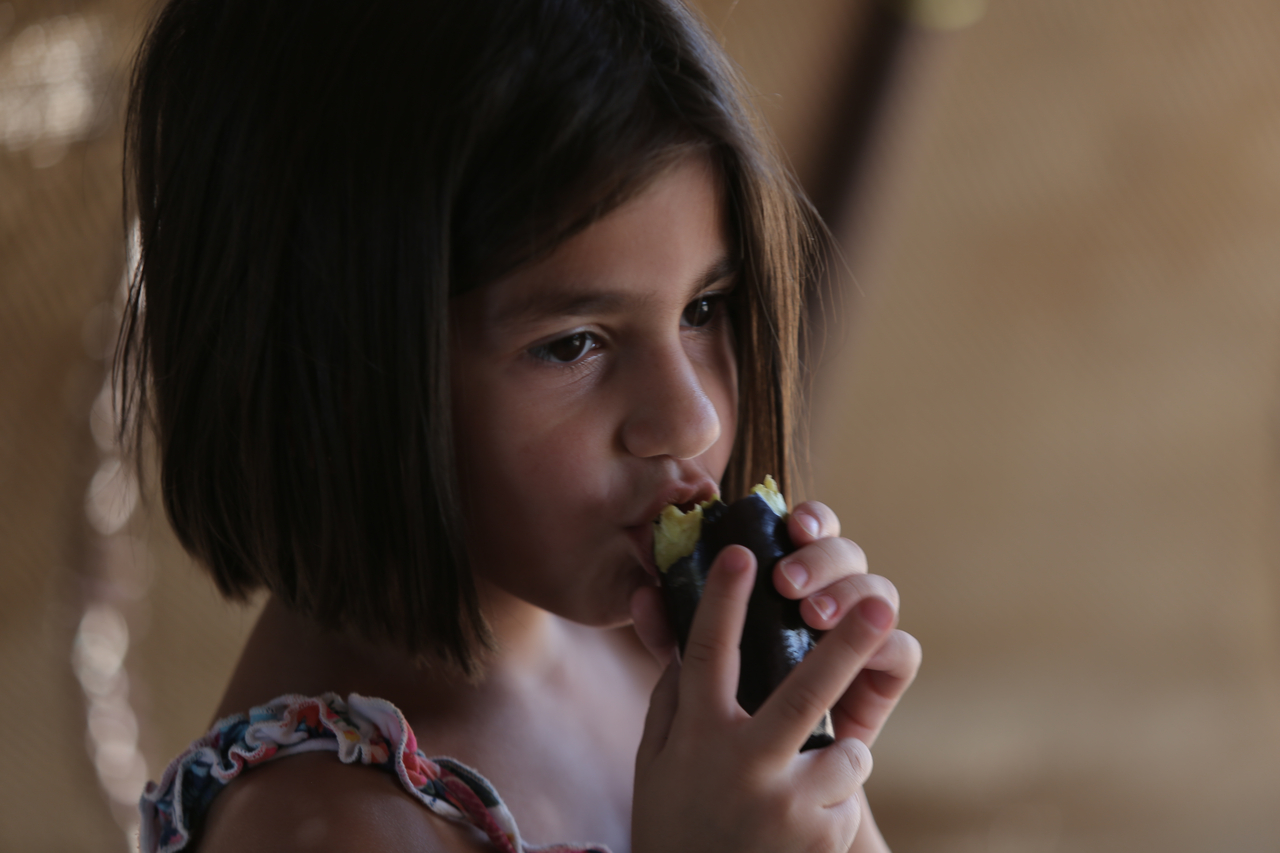
For the poor, the reality is starkly different. When simply securing a place to live is a struggle, investing in equipment or facilities to prepare for climate disasters is out of reach. With little capacity to recover from losses, many remain trapped in economic hardship long after a disaster has passed.
This gap in resilience translates directly into lives lost. The report found that countries with high income inequality suffer seven times more flood deaths than countries with lower inequality.
And the damage does not end with a single disaster. People who lose their homes and assets find it even harder to prepare for the next one. Repeated climate disasters deepen economic inequality, and deepening inequality in turn amplifies the harm from future disasters — a vicious cycle.
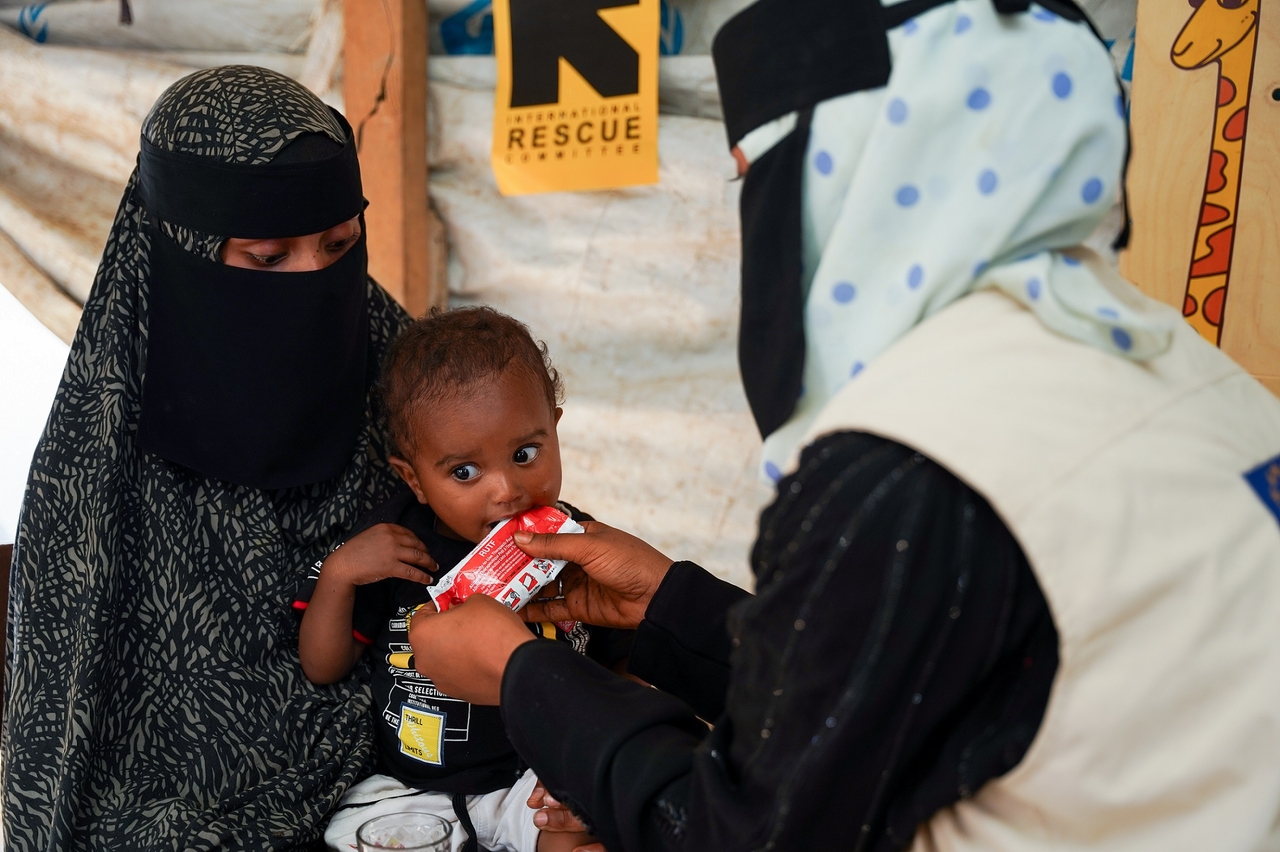
The problem does not end there. Some large investors are profiting both from industries that worsen climate change and from the businesses that clean up the damage those industries cause. Major institutional investors have poured enormous sums not only into high-emission sectors such as oil and gas, but also into disaster recovery and resilience industries.
Oxfam identified 217 companies operating in climate-damaging industries — oil, gas and the like — as well as in disaster preparedness and recovery, then examined the investment holdings of global financial institutions. It found that asset management giants BlackRock and Vanguard held stakes in 92% of the companies analyzed.
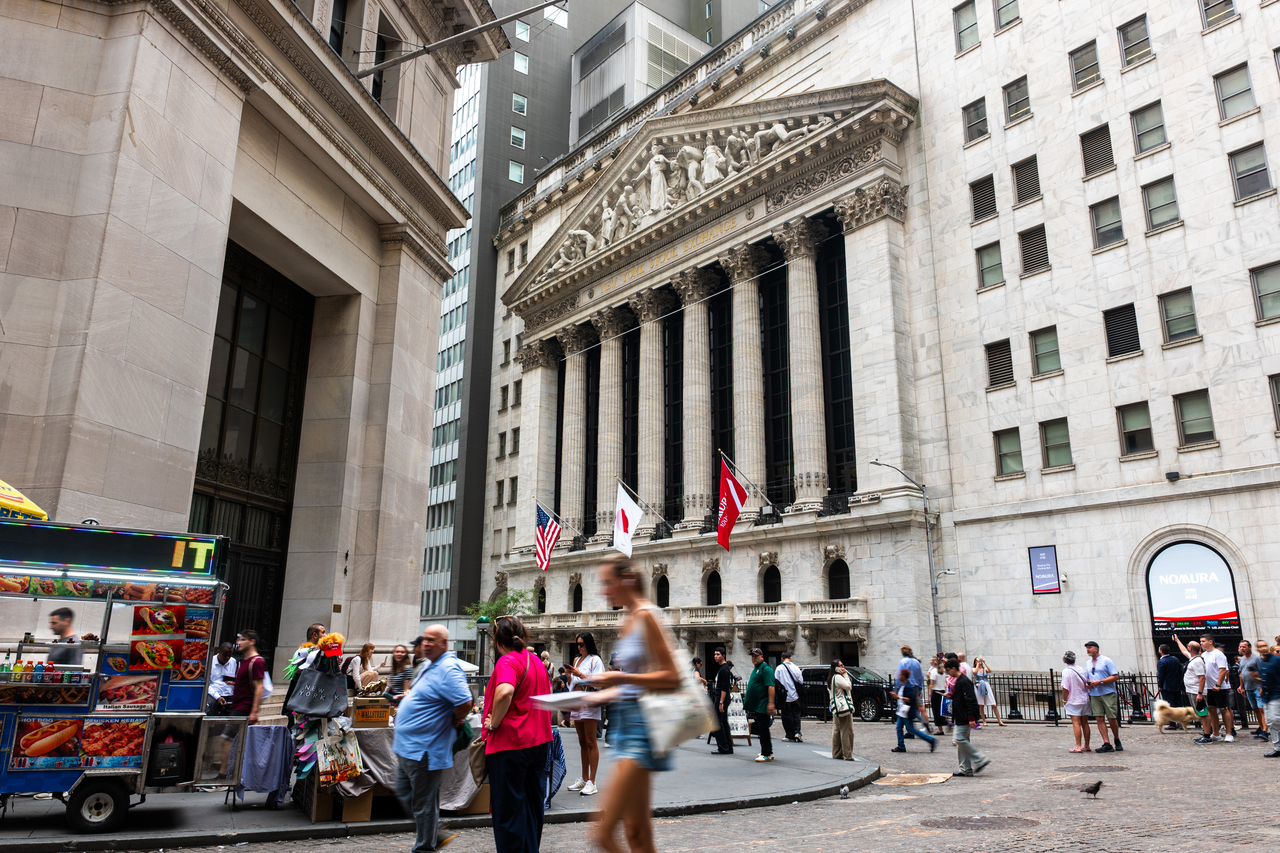
Vast sums of capital are flowing into both the industries that drive the climate crisis and those that profit from repairing the damage — meaning the same investors who benefit from worsening climate change can collect additional returns by backing the recovery.
In response, Oxfam said policies are needed both to curb the excessive greenhouse gas emissions of the ultra-rich and to address the economic inequality that climate disasters create.
The organization urged governments to increase taxes on the ultra-wealthy and fossil fuel companies, and to expand support for low-income countries most vulnerable to climate disasters. It also said regulation is needed to address the structures that allow some companies to reap excessive profits from disaster response and recovery.
"The ultra-rich are setting the world on fire and then sending the rest of us the bill for the fire extinguisher," Oxfam International Executive Director Amitabh Behar said. "They profit from pollution, and then profit again from the disaster and the recovery."
woo@heraldcorp.com