District revises floor-area ratio and sunlight regulations to support aging low-rise neighborhoods; rezoning study to cover 5.73 square kilometers of residential land
Seoul's Jung-gu is pressing ahead with follow-up regulatory reforms after the easing of Namsan's building height restrictions, while moving to overhaul aging residential neighborhoods. The district is launching a 25.3 billion won ($18.9 million) New Village project in Hoehyeon-dong and revising building rules on floor-area ratios and sunlight rights to deliver improvements residents can feel in their daily lives.
Jung-gu held a community briefing session at the Hoehyeon-dong Community Service Center on Thursday, with about 40 residents in attendance, to share updates on the New Village project and planned changes to building regulations.
The session was organized in response to concerns that the June 2024 easing of Namsan's height restrictions had produced limited practical benefits, as floor-area ratio limits by zoning category continued to constrain construction conditions. District officials concluded that related regulations — including floor-area ratios and sunlight rights — must also be reformed for the height-limit relaxation to translate into meaningful improvements in living conditions.
The centerpiece is the Hoehyeon-dong New Village project, backed by a total investment of 25.3 billion won. The project targets aging low-rise residential areas — including row houses and multi-family homes — where full-scale redevelopment is not feasible, and aims to expand parking facilities, resident amenity facilities and safety infrastructure.
The project gained a formal footing last month when a revised urban regeneration activation plan for the area around Seoul Station — incorporating the project's details — was officially decided and announced.
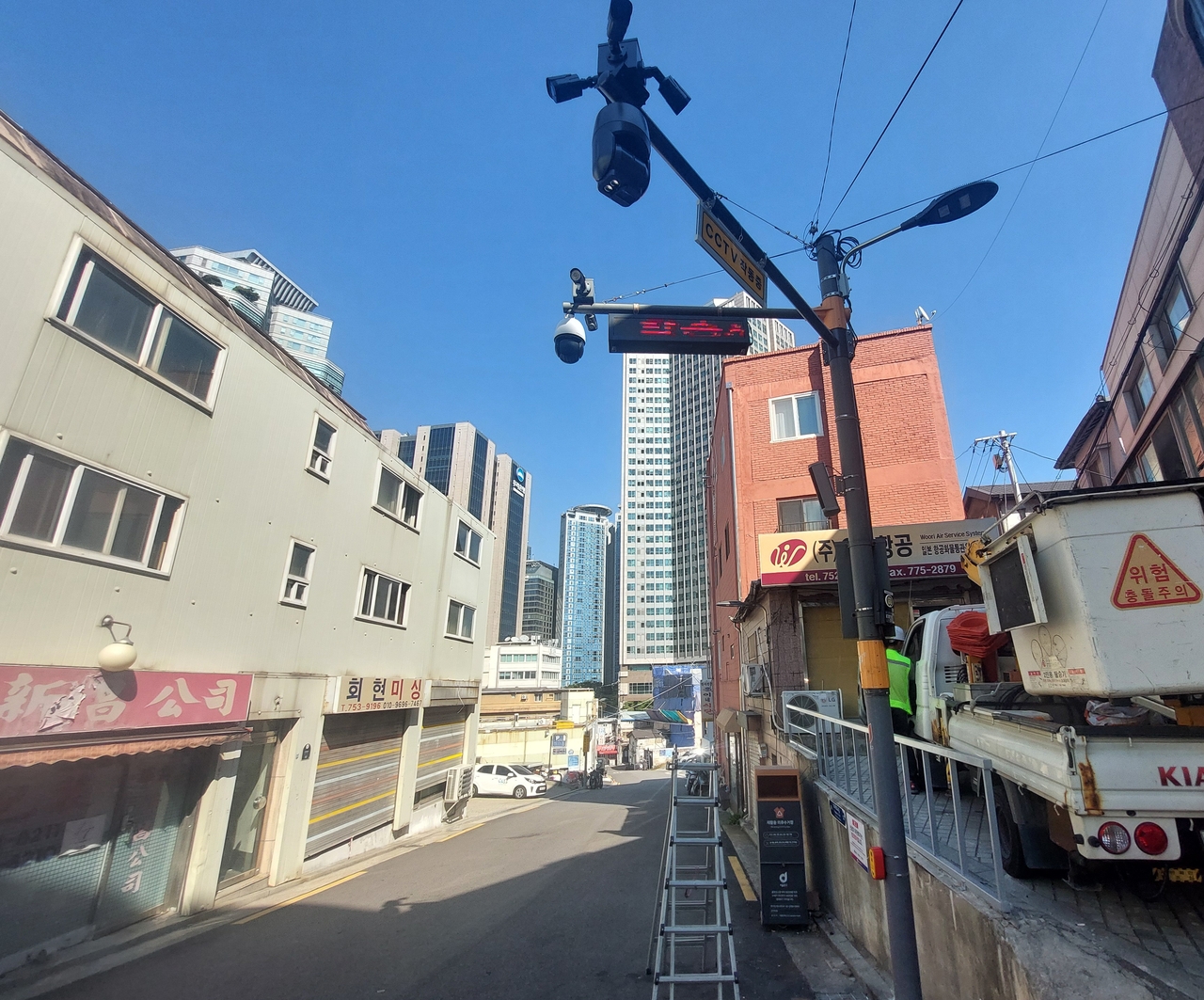
Jung-gu plans to use the sites of the Hoehyeon-dong Community Service Center and Hoehyeon Children's Center to build a public parking lot and resident amenity facilities. The district will also carry out road improvements and install smart CCTV systems in phases as part of a broader public-safety initiative. Construction of an administrative complex at the Hoehyeon-dong Community Service Center site is also underway.
Revising floor-area ratios to encourage construction activity is another priority. The Seoul Metropolitan Government has temporarily relaxed floor-area ratios for second- and third-class general residential zones through May 2028 to stimulate small-scale new construction and renovation. The ratio for second-class zones was raised from 200 percent to 250 percent, and for third-class zones from 250 percent to 300 percent.
Jung-gu has gone further, launching a medium- to long-term rezoning review that goes beyond the temporary relaxation. In April, the district commissioned a rezoning study covering 5.73 square kilometers of residential land, including Hoehyeon-dong. The district plans to analyze land-use conditions and construction environments by area through the first half of next year, develop a rational rezoning proposal and consult with the Seoul Metropolitan Government.
Sunlight regulation reform is also on the agenda. Last year in July, Jung-gu introduced a provision allowing buildings that meet certain conditions to apply a south-facing sunlight standard instead of the conventional north-facing one, taking into account the area's topography around Namsan — higher to the south and lower to the north. Starting Nov. 12, a further relaxation of the north-facing sunlight standard under the revised Building Act will also take effect.
The district also briefed residents on a legalization program for residential buildings constructed in violation of regulations but meeting certain criteria, allowing them to be used lawfully. Architects from the Jung-gu Architects Association provided individual consultations, reviewing each resident's specific construction conditions and the practical applicability of the regulatory changes.
Jung-gu will also expand direct community outreach to help residents take advantage of the updated building rules and support programs. The district's traveling urban policy briefing series, which began in Dasan-dong in September, will continue in Myeong-dong this month and is set to expand to every neighborhood in the district next year.
"The easing of Namsan's height restrictions was the first step in opening a path to improving living conditions that had been constrained for a long time," Jung-gu District Mayor Kim Gil-sung said. "We will do our best to consistently communicate with residents and work through the follow-up tasks one by one, creating changes that people can feel in their everyday lives."
seouldream01@heraldcorp.com