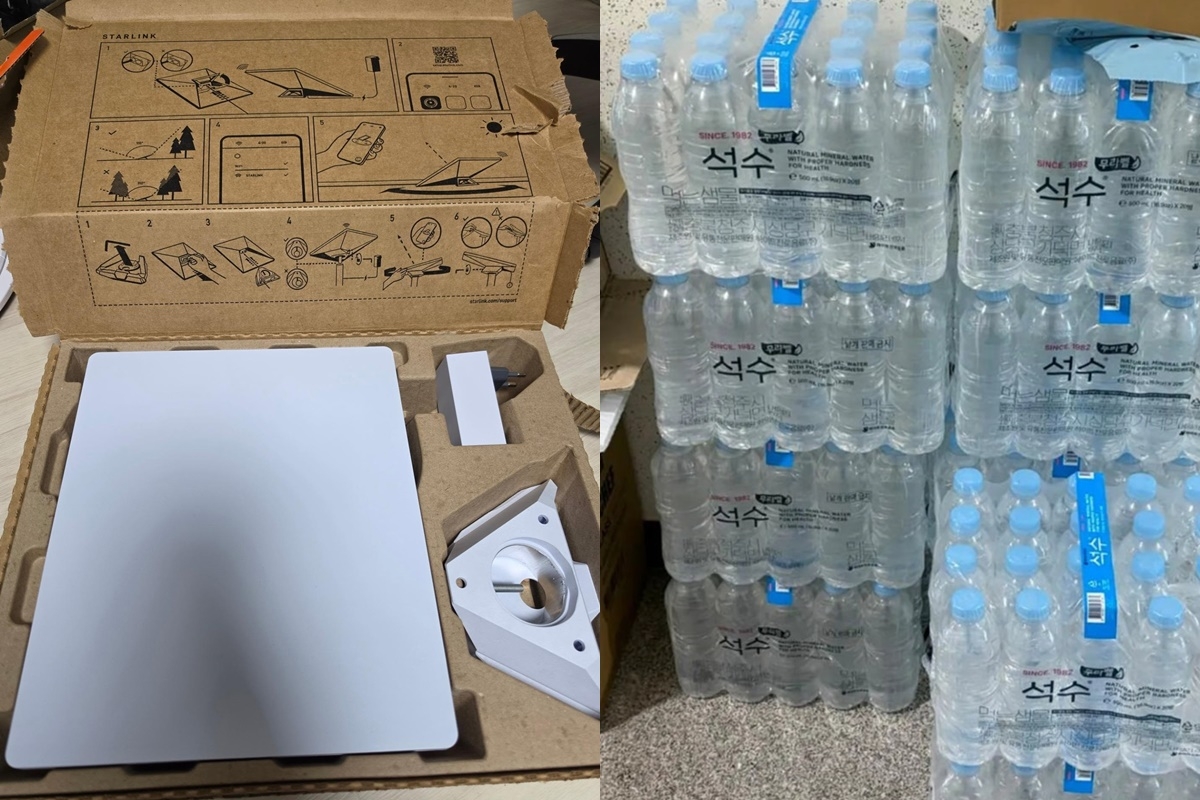
As fears about the possibility of war spread, a growing movement to stockpile emergency supplies has emerged online. Posts showing bulk purchases of bottled water, food and other daily necessities have multiplied, with some users also claiming to have acquired emergency bags and Starlink satellite communication equipment.
Social media platforms such as Threads and various online communities have seen a wave of posts in which users share item lists and photos under the banner of "preparing a war emergency kit."
72 liters of water, 80 packs of instant rice — and a 4 million won bill
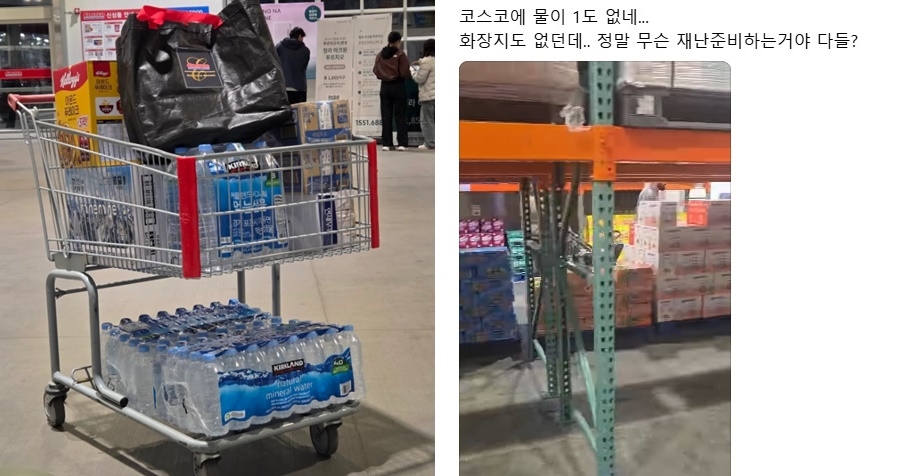
One user said they had assembled 36 two-liter bottles of water, 40 packs of ramyun, 80 servings of instant cooked rice and butane gas canisters, along with an emergency radio, a portable battery pack and a first-aid kit. Another user posted a photo of a 75-liter water container placed in a bathroom, saying they had bought it at a home goods store to prepare for potential water shutoffs.
Reports of families making large-scale emergency purchases have also emerged. One user said they spent a total of 4 million won ($2,980) on emergency bags for a family of five, posting a detailed list that included chemical-warfare masks, hard hats and sleeping bags, as well as water purification filters and tablets, urine solidifiers and bleach.
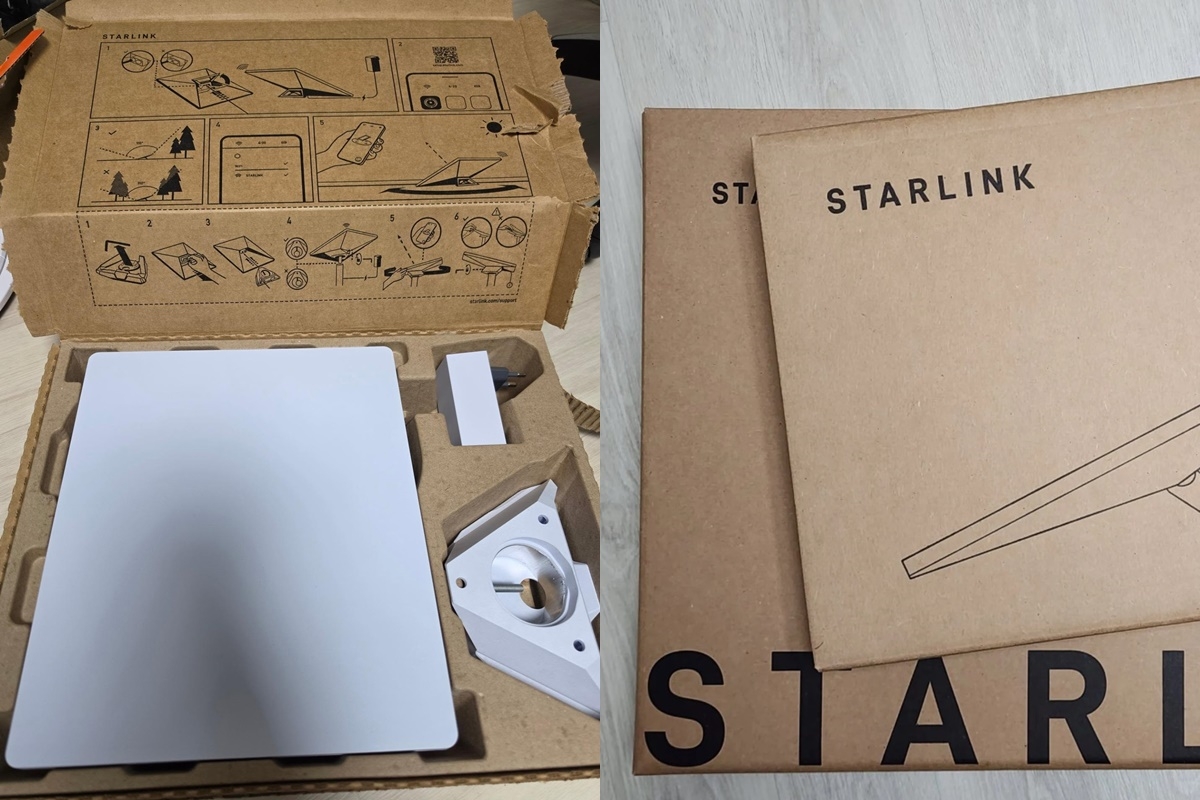
A post claiming to have purchased a "Starlink Mini" satellite internet kit to prepare for power outages and communication blackouts also drew attention. The kit, currently on sale at a discounted price of 160,000 won, enables satellite connectivity through a roaming plan, though its use while traveling on land is restricted in South Korea.
The user who bought the Starlink unit wrote that "when electricity is cut off, you can charge it with an emergency generator or solar panel and still access the internet," adding that "50 percent discounts or free support for Starlink are reportedly available for disaster and emergency relief zones."
The trend is also reflected in actual shopping data. According to Naver Shopping store statistics on Wednesday, an emergency bag priced at 99,000 won ranked 31st among the most purchased products over the previous 24 hours. A bulk pack of large-capacity batteries ranked 18th and a self-heating military-style meal ranked 64th among the most-viewed products.
Opinions online are divided over the trend. One user dismissed the concern, writing, "What war in Korea? Is this a joke?" Others pushed back, arguing that "there's no guarantee war won't break out — this is a truce state where war could happen at any time," and that stocking up on emergency supplies in advance is a reasonable precaution.
UK and Japanese government advisories were about disasters, not war
The anxiety appears to have been amplified by news spreading online that the British and Japanese governments had recently advised their citizens to keep emergency supplies on hand. Some interpreted the advisories as a sign that war was imminent, lending momentum to calls in South Korea to prepare for emergencies.
However, the emergency stockpiling advisories issued by the British and Japanese governments — which drew attention alongside the online hoarding trend — have no connection to any imminent threat of war.
The British government announced its "Be Ready" campaign on Oct. 22 (local time), urging households to stockpile enough supplies to last three days. The campaign's stated purpose, however, is not war preparedness but readiness for disruptions to daily life caused by natural disasters and extreme weather.
On its website, the British government said that "last winter's storms and this summer's wildfires showed how much disruption extreme weather can cause to everyday life," describing the campaign as a measure to prepare for severe weather and other events that could lead to outages of electricity, water and internet services.
In Japan, Disaster Management Minister Hosono Koshi urged citizens to prepare at least three days' worth — and ideally a week's worth — of food and daily necessities ahead of the launch of a new disaster management agency, but that call was also framed as preparation for large-scale natural disasters.
Hosono said that "some have suggested there may be information predicting a war or disaster, but that is not the case," explaining that the advisory was intended to encourage preparedness for large-scale disasters expected to occur in the future.
Concerns have also circulated online that Russia's aggression against Ukraine could escalate into a broader war involving NATO member states, but a review of travel alert adjustments by South Korea's Ministry of Foreign Affairs shows no recent elevation of alert levels related to the European security situation.
A Ministry of Foreign Affairs official told Yonhap that South Korean diplomatic missions in countries including the United Kingdom, the Netherlands and Japan had not filed any new reports to headquarters flagging security threats, and that the ministry had not independently identified any such concerns.
A Ministry of Interior and Safety official said the government issues national crisis alerts on a four-tier scale — Attention, Caution, Alert and Serious — based on the national security situation, and that no changes had been made recently.
bbo@heraldcorp.com